Can A Frozen Pipe Claim Be Denied For An Unheated Home?
Free Call · Answered 24/7 · Local Pros Near You
In This Guide
- Can A Frozen Pipe Claim Be Denied If The House Was Unheated Or Empty?
- What Heating And Winterizing Steps Do Insurers Expect?
- Why Do Vacant Homes Face Extra Scrutiny After A Freeze?
- What Should You Do First When You Find A Burst In An Empty Home?
- What Evidence Supports A Claim For An Empty Home?
- How Can Owners Of Empty Homes Protect The Next Claim?
- Where Can Idaho Homeowners Get Claim Help And Repair Help?
Quick Answer
It can be, depending on the policy. Many policies expect the homeowner to keep reasonable heat in the home during cold weather, or to shut off the water and drain the pipes if the home will sit empty and unheated. A claim for a burst in a cold, empty house with live, undrained lines may be reduced or denied, while a documented, winterized home is in a far stronger position.
Can A Frozen Pipe Claim Be Denied If The House Was Unheated Or Empty?
Yes, it can, though denial is not automatic. Policies are contracts, and many include conditions about maintaining heat or winterizing plumbing when a home is empty. If a pipe froze in a house that sat cold with the water left on and no checks for weeks, the insurer may argue the loss came from neglect rather than a sudden accident.
The opposite case is also common. A heated home where a pipe still froze in an exterior wall, an outside-facing wall closest to outdoor cold, is a classic covered sudden loss for many policies. The difference is rarely the burst itself; it is the care taken before it and the evidence you can show afterwards.
Does One Cold Night Count Against You?
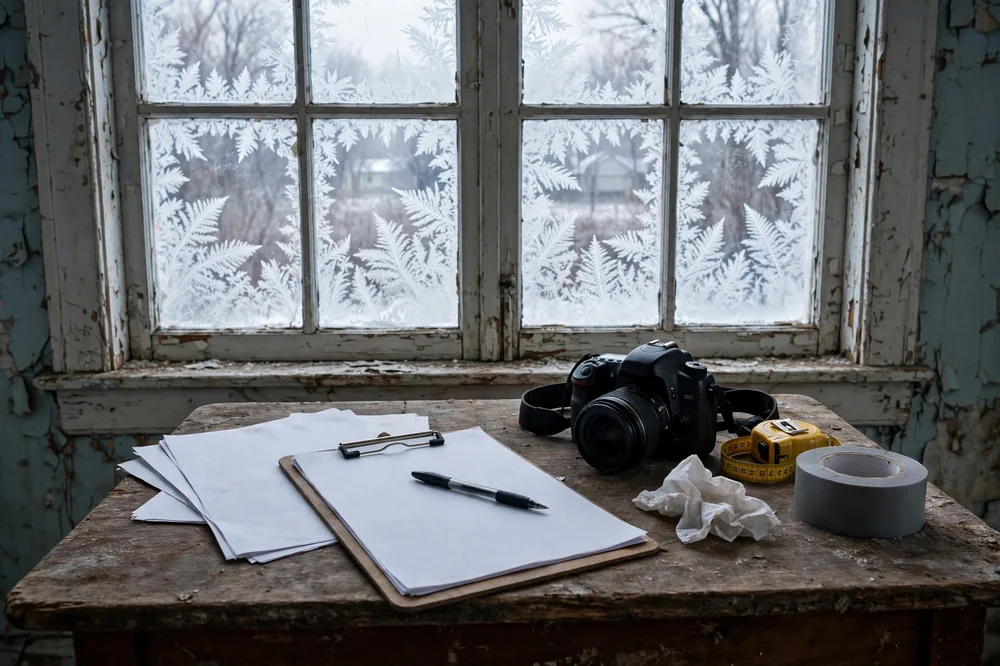
A brief heating failure during a storm is different from a home left unheated for weeks. What matters is the pattern of care: whether heat was set sensibly, whether anyone checked the home, and how fast the leak was stopped once found. Keep utility and thermostat records from the period, because they show the pattern better than memory does.
What Heating And Winterizing Steps Do Insurers Expect?
The usual expectation is reasonable care for the season. That means keeping the heat on at a level your policy states during cold weather, even when you travel, or fully winterizing: closing the main water shutoff valve, the main valve that stops all water entering the home, draining the lines and opening taps so no live water sits in cold pipes.
Supporting steps help too. Fit a pipe insulation sleeve, foam tubing slipped over a pipe, on exposed runs, add heat tape, an electric cable applied along a pipe to keep it above freezing, on the coldest sections, disconnect hoses from each hose bib, the outdoor tap for hoses, and seal drafts in the crawl space, the shallow space under a home. Notes, photos and receipts for these steps become your evidence file.
Pipe Frozen Or Burst Right Now? One Free Call Connects You With A Local Pro.
Call NowWhy Do Vacant Homes Face Extra Scrutiny After A Freeze?
An empty home has no one to hear running water, see a ceiling stain or feel a drop in pressure. Ice expansion pressure, the force of water expanding as it freezes in a closed pipe, can split a line in January, and the freeze thaw cycle, repeated freezing and warming, can keep feeding the leak through every thaw until someone visits in spring.
That long, hidden run time is why vacant and second homes in the central Idaho mountains, the high-elevation region where cabins sit empty through long winters, draw closer claim review. The pipe failure may be sudden, but the damage total reflects weeks of standing water, pooled water left sitting in rooms, which is exactly what regular checks are meant to prevent.
How Does A Long Leak Change The Claim?
A burst in an occupied home is usually found in minutes or hours. In an empty home it can run for days, turning a pipe repair into soaked floors, mold growth and structural drying across several rooms. Insurers look closely at that gap, because regular checks or an automatic shutoff could have limited the damage, and policies may treat long-running water differently from a sudden, promptly found burst.
What Should You Do First When You Find A Burst In An Empty Home?
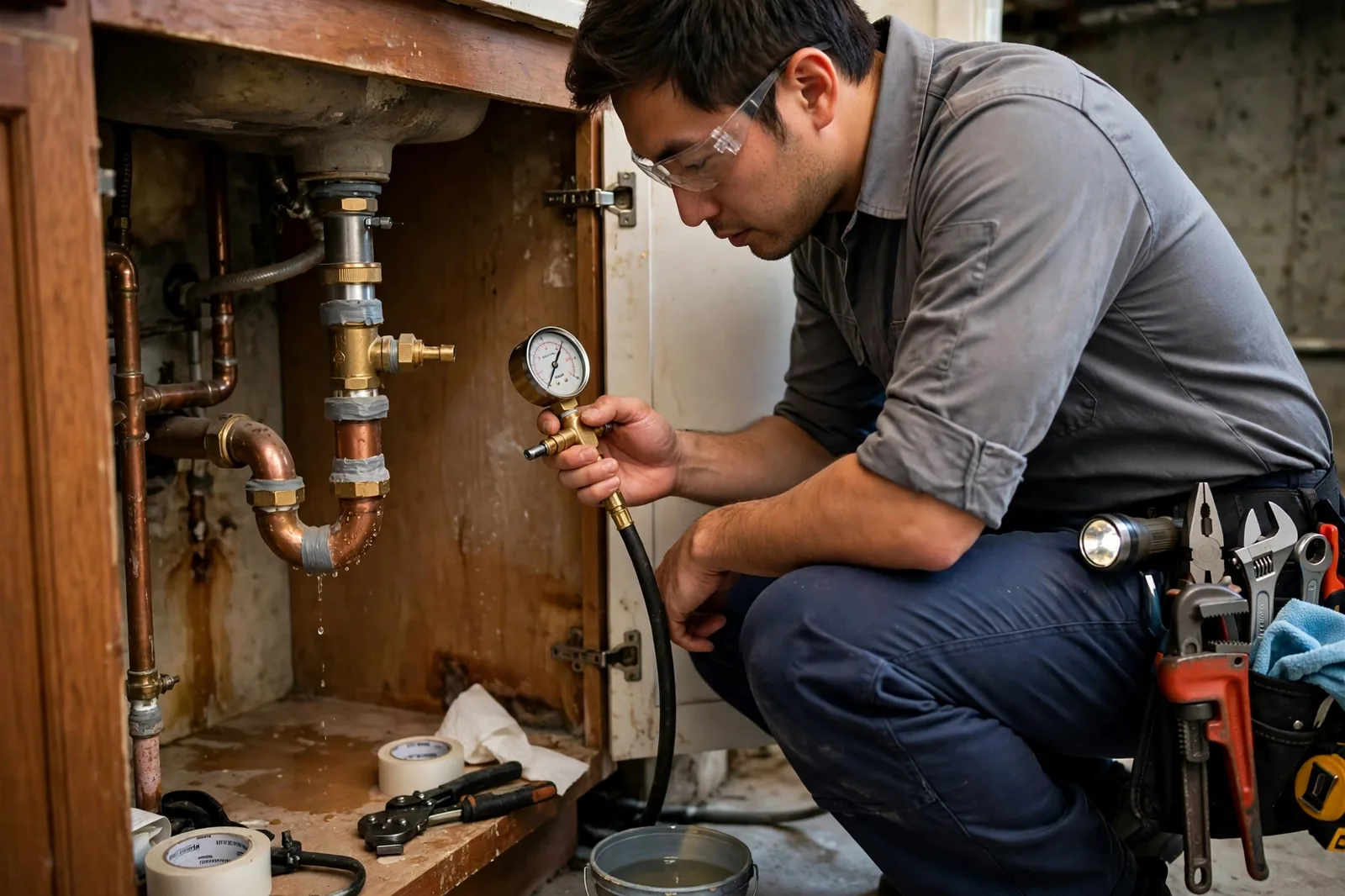
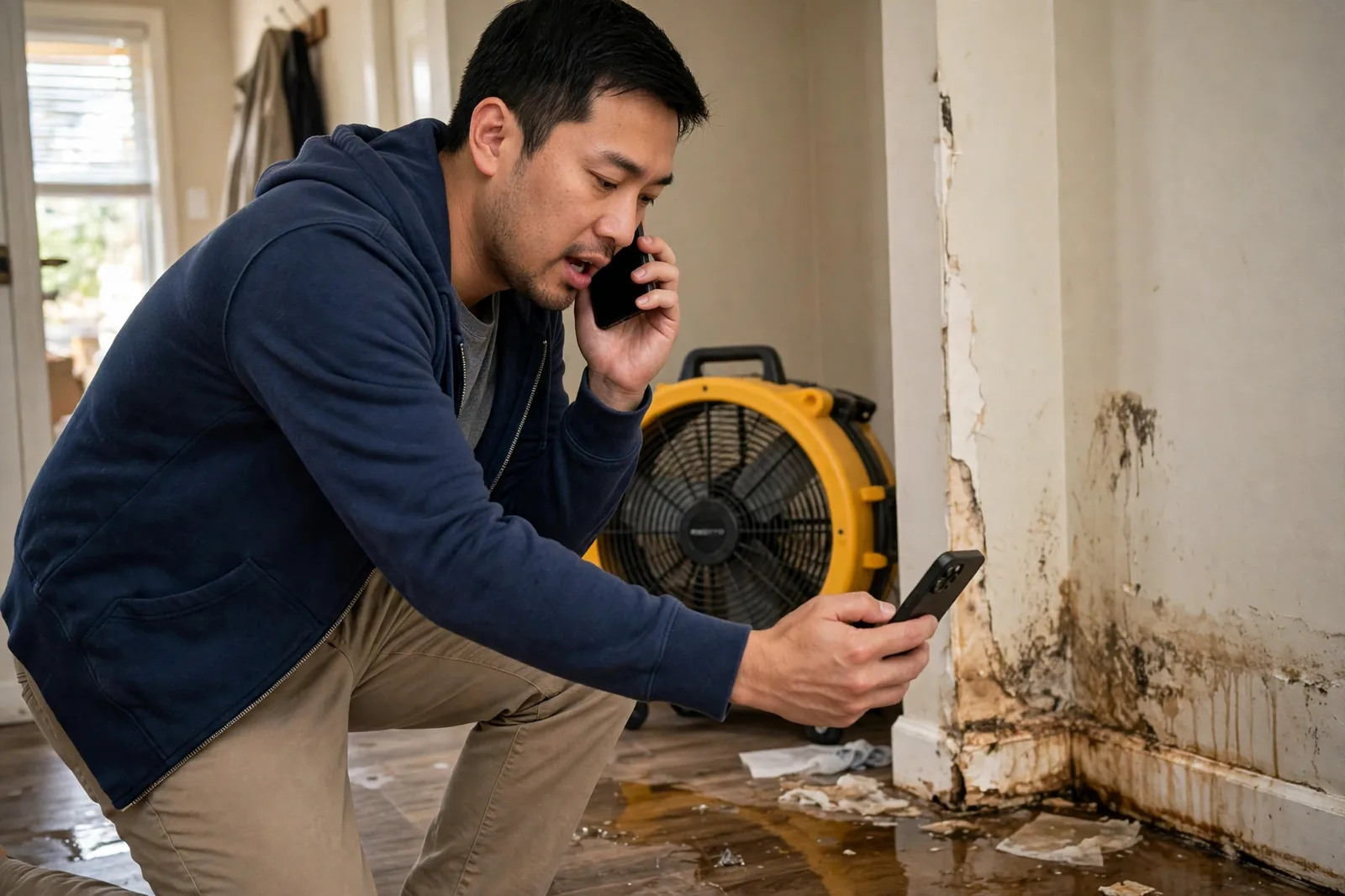
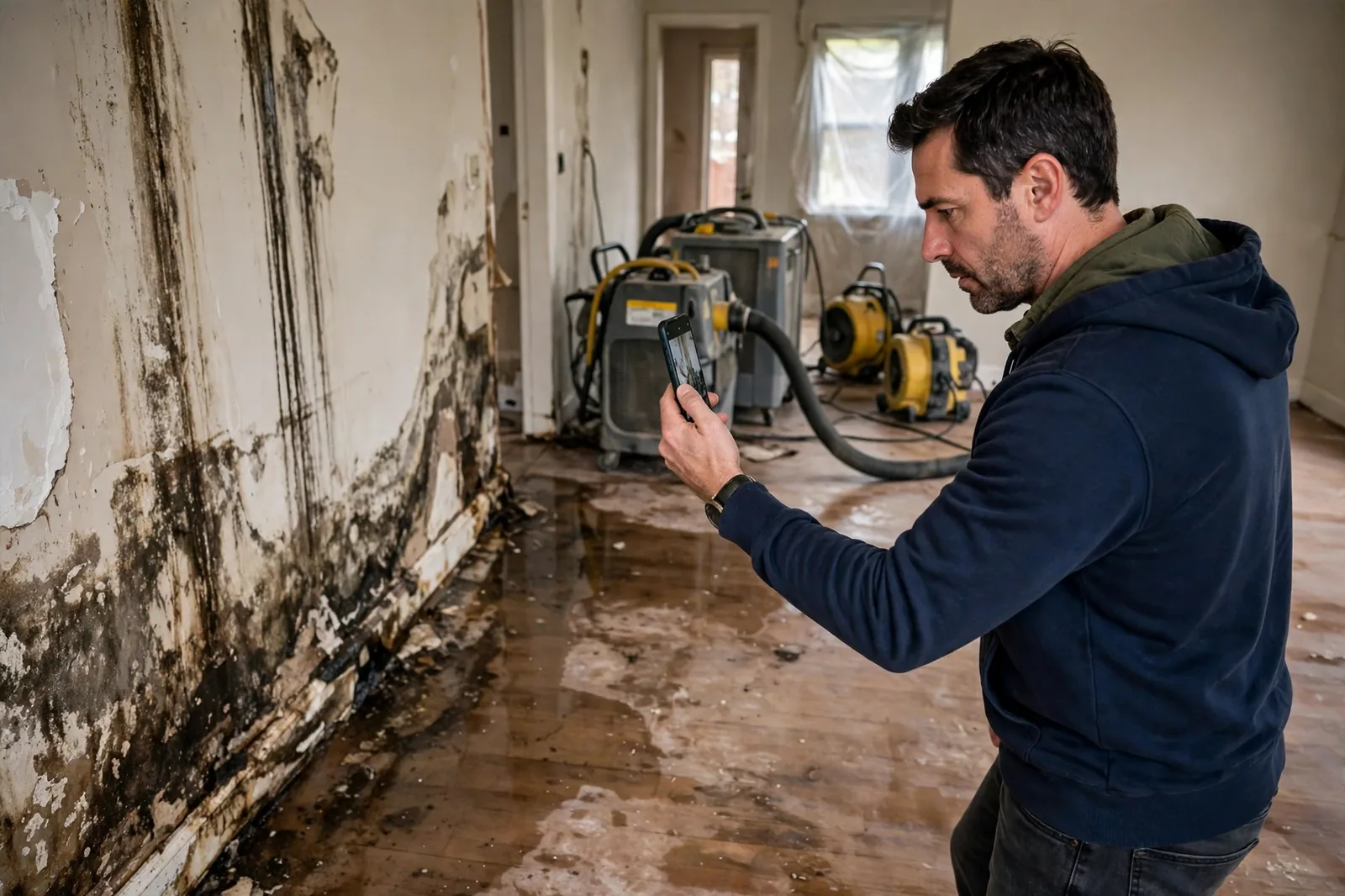
Stop the water first, at the main valve or at the water meter, the utility meter that records water use, by the street. Turn off power to wet areas if water is near outlets. Then document before you clean: dated photos and video of every room, the split pipe, the thermostat setting and the meter reading all belong in the record.
Next, start mitigation. Water extraction, removing standing water with pumps and vacuums, and structural drying, the planned drying of walls, floors and framing, limit further loss, and most policies expect reasonable steps to prevent more damage. Report the claim promptly, then read how related coverages differ in burst pipe, flood or sewer backup coverage so you describe the loss accurately.
Keep the emergency repair invoice separate from later rebuilding paperwork, because the first visit, the drying work and the final repairs are usually documented as different stages of the same loss, and a tidy file is easier for everyone to follow.
What Evidence Supports A Claim For An Empty Home?
Build a simple timeline: when the home was last occupied, what heat or winterizing steps were set, when the freeze happened, when the leak was found and what you did in the first hours. Attach heating bills, smart thermostat history, winterizing receipts, caretaker visit notes and dated photos of insulation on pipes in the attic, the space above the ceiling, and basement, the lowest level where the main line enters.
In rural areas, help and documentation often start together. A visit arranged for burst pipe help in Lava Hot Springs can produce the photos, readings and repair notes an adjuster wants, while the drying that protects the home gets underway at the same time.
Can A Pro's Report Help The Claim?
Yes. A written report noting where the pipe split, why it likely froze, the moisture readings and the drying plan gives the adjuster facts instead of guesses. Moisture meter readings, from a handheld device that measures moisture in materials, show how far water spread. Keep the cut-out section of pipe as well; physical evidence of a clean freeze split is persuasive.
How Can Owners Of Empty Homes Protect The Next Claim?
Decide before winter which strategy the home will follow: heated and checked, or shut down and drained. The risky middle is low heat, live pipes and no visits. If the home stays heated, add pipe insulation, seal under-floor vents where advised, keep cabinet doors open on cold nights and arrange weekly checks during cold snaps, with the checker knowing where the shutoff is.
If the home will sit empty, winterize it fully. Drain lines, protect traps, and leave a note at the door with the shutoff location and your phone number. Manufactured homes need the manufactured home underbelly, the enclosed underside where water lines run, checked for intact skirting and insulation, because wind under the home freezes lines fast.
Whichever strategy you choose, tell a neighbour or caretaker what you chose and where the shutoff, thermostat and breaker panel are. A strategy nobody else knows about fails the first time something changes while you are away, whether that is a power cut, a heating fault or an early cold snap.
Where Can Idaho Homeowners Get Claim Help And Repair Help?
For claim questions, the Idaho Department of Insurance, the state agency that regulates insurers and helps consumers with insurance questions and complaints, is the official starting point, and FEMA winter weather guidance covers preparing a home for cold. Neither replaces your own policy wording, so read the conditions section of your policy before winter, not after a burst.
For the repair side, Idaho Burst Pipe Pros is a free service connecting callers with independent local pros; calls are answered 24/7 on (800) 555-0100 and pros typically arrive in 30–60 minutes. Homeowners around burst pipe help in Letha and burst pipe help in Lewisville use the same pattern: stop the water, document, dry, and keep the paperwork from day one.
What Should You Ask Your Agent Before Winter?
Ask what heat level your policy expects when you travel, how many days away changes your coverage, and whether a water shutoff device affects your terms. Ask in writing and keep the reply with the policy. Those answers, gathered in fall, are worth more than any argument after a January burst in a cold house.
Frequently Asked Questions
Straight answers, no fine print. If your question is not here, one free call gets you a local pro who can check your exact problem.
Still Have Questions? Call Free
Answered 24/7 — a local pro can arrive in 30–60 minutes.
Call Now — (800) 555-0100It can, under some policies, when a home sat unheated or empty and the owner did not maintain heat or winterize the plumbing. Policies differ widely, and the wording of your own policy controls the answer. What helps most is evidence: heating records, winterizing steps, visit logs and prompt action once the leak was found. Ask questions early rather than assuming either outcome.
Most policies expect reasonable care, which usually means keeping the home heated to a level the policy states, or shutting off the water and draining the lines if heat will be off. Insulating exposed pipes, disconnecting hoses and arranging checks during long absences all count as care. Keep notes and receipts, because showing the steps matters as much as taking them.
In general terms, an unoccupied home still has furnishings and an owner who returns regularly, while a vacant home is empty of furnishings and occupants for a longer period. Many policies treat the two differently, and some change terms after a set number of days away. Read your own policy definitions carefully, because the label it uses decides which conditions apply to your claim.
Yes. Photograph and video every wet room before cleanup, keep damaged pipe sections and parts, save receipts for emergency work and drying, and note dates, temperatures and when the leak was found. Do not throw away wet material before it is documented. A clear record supports the claim and also helps the pro plan drying and repair in the right order.
Sometimes. Many policies cover sudden water damage from a burst pipe while treating long-term leaks, wear and neglected maintenance differently. Where a split pipe ends and gradual damage begins can be disputed, which is why prompt shutoff, photos and a pro's written findings matter. This post is general information only; your policy wording and adjuster decide your specific claim.
Contact your agent or claims line as soon as the water is stopped and the home is safe. Early notice lets the insurer guide documentation and drying expectations, and many policies require prompt reporting. You do not need every answer before calling; report what happened, when you found it and what emergency steps you have already taken to limit further damage.
Idaho Department of Insurance, the state agency that regulates insurers and helps consumers with questions and complaints, can explain the process, review general rules and take a complaint if you believe a claim was handled unfairly. It cannot rewrite your policy, but it can clarify your options. Keep your claim number, letters and notes together before you call.
Useful proof includes thermostat or utility records showing heat stayed on, a winterizing invoice or checklist, notes of regular property checks, and photos of insulation and drained lines. Smart thermostat history and a neighbour's or caretaker's visit log can also help. The point is a timeline showing reasonable care before the freeze, not a single perfect document.
Yes. A second home or cabin that sits empty is usually expected to be winterized more fully: water off at the main valve, lines drained, traps protected and heat either maintained or fully shut down with the plumbing drained. Owners who leave heat low but water live carry the highest risk. Our guide on related risks appears in one burst pipe and a second leak.
Act the same day: stop the water, document everything, start drying and keep every letter. Ask for the denial reason in writing and which policy wording it rests on, then check that wording yourself. If it still seems wrong, the state insurance department can explain complaint steps. One free call to Idaho Burst Pipe Pros on (800) 555-0100 can also connect you with a local pro for the repair side.
Reviewed By Hamza
Lead Water Damage Restoration & Structural Drying Specialist
Hamza is an emergency water restoration specialist with deep expertise in burst pipe mitigation, freeze damage remediation, and industrial structural drying across freezing northern climates. He focuses on rapid moisture extraction, thermal imaging diagnostics, and comprehensive subfloor restoration to protect homes from mold and structural deterioration.
Updated October 27, 2026
Need Burst Pipe Help In Idaho?
One free call connects you with a local pro — answered 24/7, and a pro can arrive in 30–60 minutes.
Call Now — (800) 555-0100Free Call · Answered 24/7 · Local Pros Near You