Burst Pipe, Flood Or Sewer Backup: Why Insurance Treats Them Differently

Free Call · Answered 24/7 · Local Pros Near You
In This Guide
- Is A Burst Pipe The Same As Flood Damage For Insurance?
- Is Sewer Backup Covered With A Burst Pipe Claim?
- What Does A Burst Pipe Claim Usually Cover?
- What Counts As Flood For Insurance Purposes?
- How Should You Report Each Kind Of Water Damage?
- What Mistakes Mix Up These Claims?
- Who Helps With The Water While The Claim Moves?
Quick Answer
No, they are not the same bucket. A burst pipe is usually treated as sudden water discharge from inside the plumbing system. Flood means water coming from outside the home, and it usually needs separate flood cover. Sewer backup is water or sewage coming back through drains, and it often needs its own added endorsement. The source of the water decides the claim.
Is A Burst Pipe The Same As Flood Damage For Insurance?
No. Insurers sort water damage by source. Water that escapes from a supply line, appliance or fitting inside the home is an internal discharge. Flood water arrives from outside: rising rivers, heavy rain pooling against the house, or runoff entering through doors and foundation gaps. Same wet floor, very different claim path, paperwork and cover.
That is why the first questions after a loss are about origin, not just damage. Where did the water come from, when did it start, and what have you done to stop it? Keeping that story clear and documented helps the claim. Owners reading about burst pipe help in Macks Inn for cabin country face the same source questions, even far from any river.
Why Does The Source Matter So Much?
Each source sits in a different part of the policy, with different limits, exclusions and deductibles. Mislabeling a burst as flood, or the reverse, can send the claim to the wrong handler and slow everything down. Describe what you saw plainly, show photos of the split line or entry point, and let the adjuster apply the policy language.
Is Sewer Backup Covered With A Burst Pipe Claim?
Usually not automatically. Sewer backup happens when water or sewage flows back into the home through drains, toilets or a sump, often during heavy rain or a blockage in the street main or your own line. Many policies exclude it unless you bought a specific backup endorsement, sometimes called an add-on, with its own limit.
A burst supply line and a backup can happen in the same storm but remain separate claims in the insurer's eyes. Water from a clean supply line also differs from sewage, which brings contamination and a different cleanup standard. If drains gurgled or a basement toilet overflowed, say so clearly rather than grouping everything as one leak.
How Can You Tell A Backup From A Burst?
A burst usually starts at a pipe, joint or appliance and sprays or pours clean water even in dry weather. A backup rises through the lowest drains, often during or after rain, and may carry odour and debris. Note which drains were affected and whether rain was falling, because those details help separate the two events for the claim.

Pipe Frozen Or Burst Right Now? One Free Call Connects You With A Local Pro.
Call NowWhat Does A Burst Pipe Claim Usually Cover?
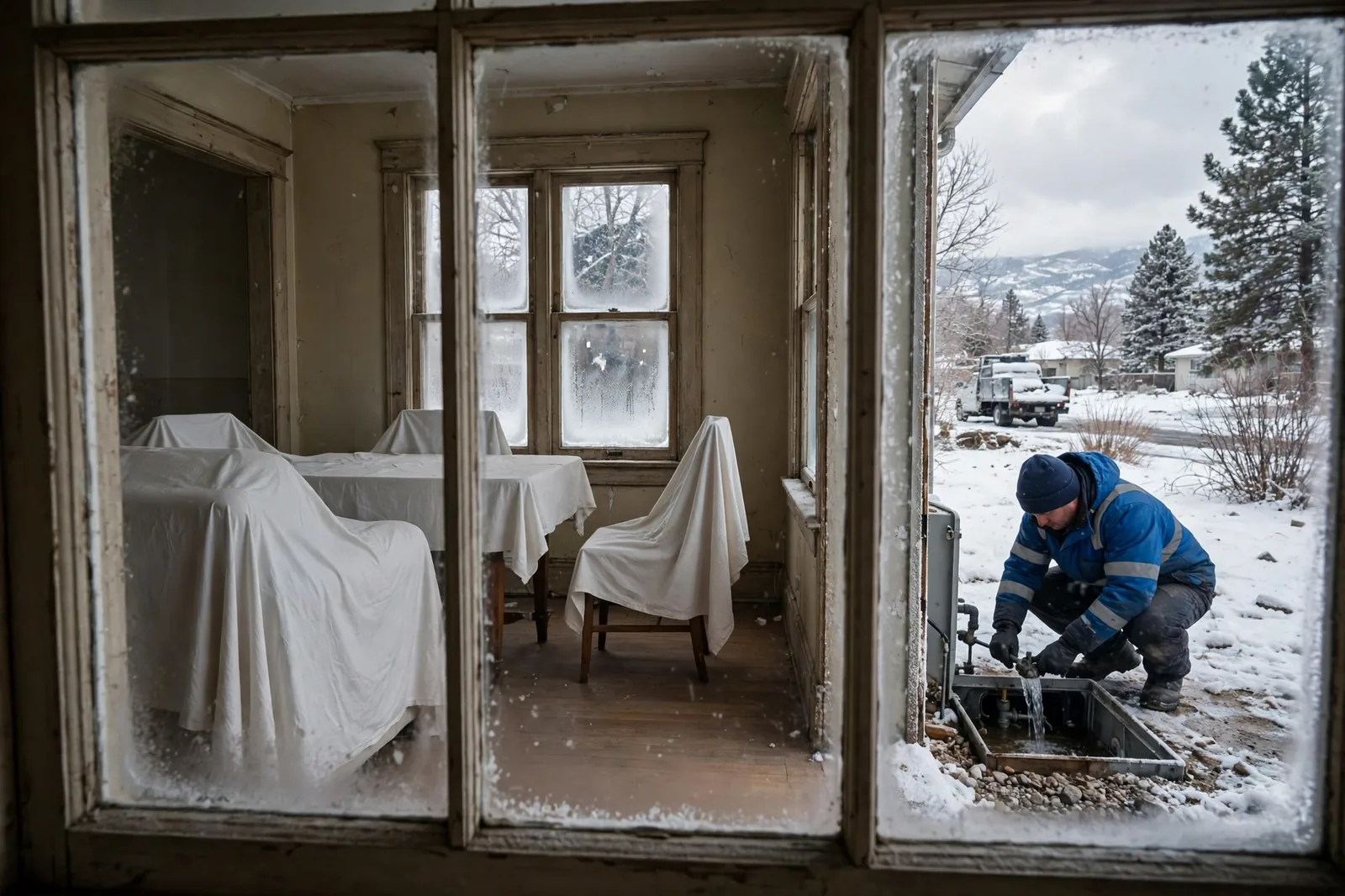
Home policies commonly treat a sudden, accidental discharge, such as a pipe splitting in a freeze, as a covered cause, and then cover the resulting damage to floors, walls and belongings, subject to the policy terms. The failed pipe part itself and slow, long-running leaks are treated differently, because maintenance and gradual damage sit outside that sudden-event idea.
Conditions matter. Heat kept on, reasonable care, and prompt action to stop the water all support the claim. The separate question of vacant homes is covered in frozen pipe claims for vacant homes. Whatever the policy says, stopping the water first protects both the home and the claim, so close the main valve before calling anyone.
What About The Cost Of Finding The Leak?
Opening a wall or floor to reach a burst, and putting that access back, is handled differently from fixing the pipe itself in many policies. Keep invoices separated by task: finding, repairing, drying and rebuilding. Clear paperwork lets the adjuster apply each part correctly instead of treating the whole bill as one unexplained total.
What Counts As Flood For Insurance Purposes?
FEMA, the Federal Emergency Management Agency, which publishes flood guidance, defines flood in broad terms as water covering normally dry land or inundating homes from outside sources. Flood cover is commonly sold separately through the national program or private insurers, with its own waiting period and limits, rather than inside a standard home policy.
Idaho homes near rivers, canals and low ground carry that outside-water risk even in a dry state, especially during spring runoff and rapid snowmelt. A sump failure during a storm may sit between definitions, which is another reason to describe the source carefully. The Idaho Department Of Insurance, the state agency that regulates insurers and helps consumers, can explain how these covers differ in general terms.
Does A Burst Pipe During A Storm Become A Flood Claim?
Not by itself. If a pipe split because it froze or failed, that remains a plumbing discharge even if rain was falling outside. If outside water also entered the home, both events may need reporting, and the adjuster sorts which damage came from which source. Photos with times, weather notes and separate damaged areas all help that sorting.
How Should You Report Each Kind Of Water Damage?
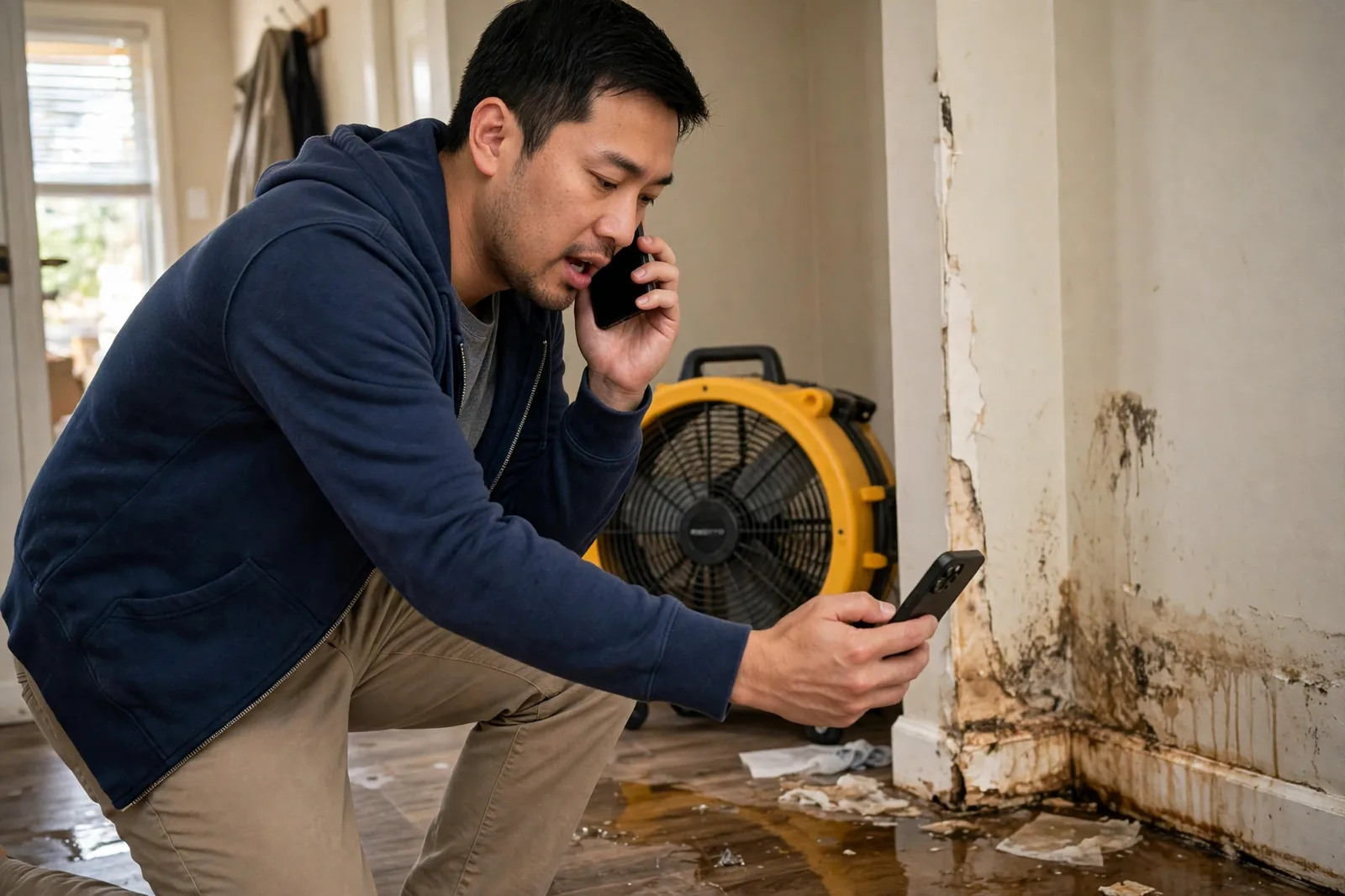
Report promptly, and report the source as you understand it, noting anything you are unsure about. Timing matters for drying as well as paperwork, as reporting a burst pipe claim promptly explains. Give the date you found it, the date you last knew the home was dry, and the steps you took to stop the water and protect belongings.
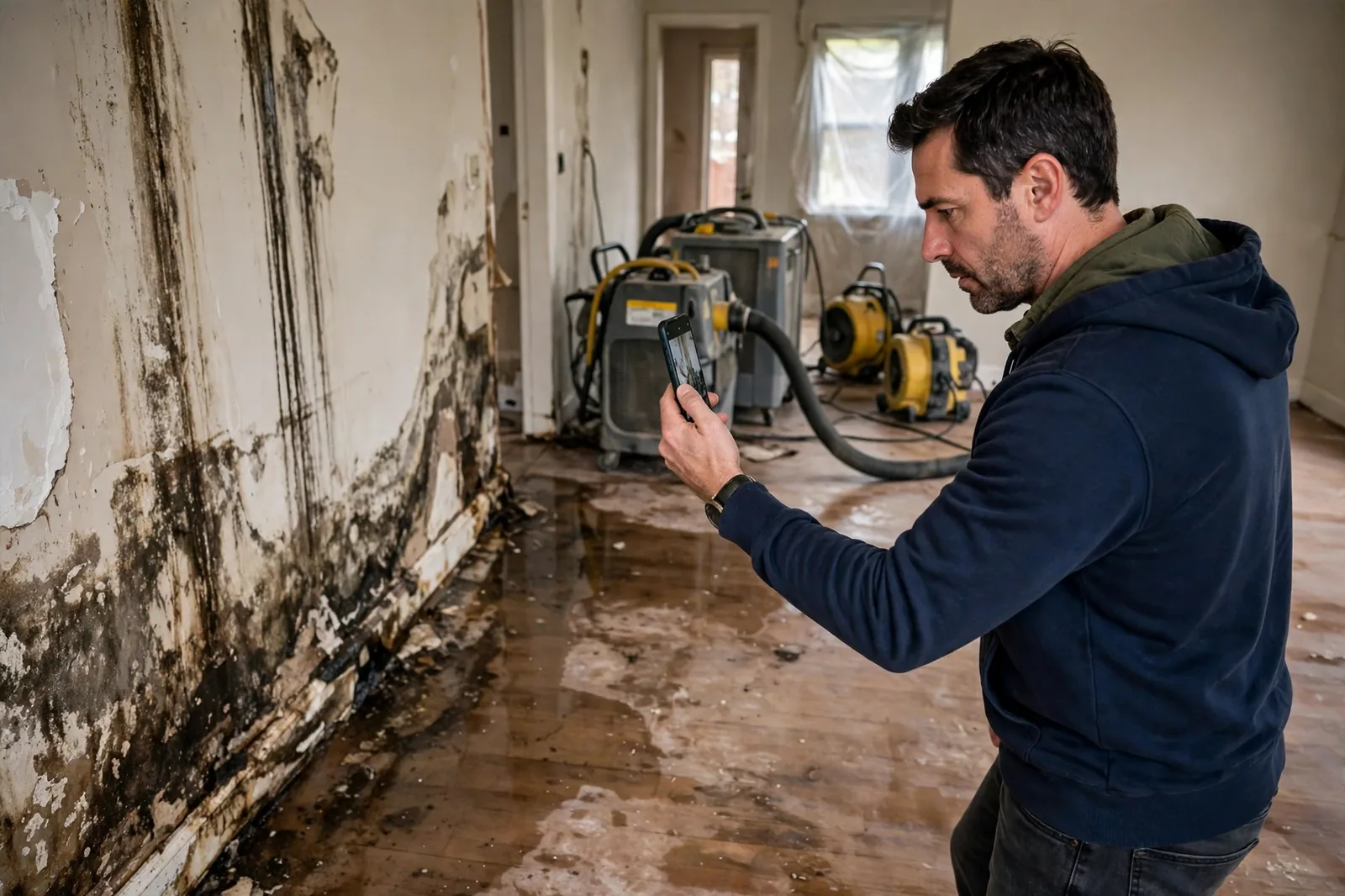
Keep a simple file: photos before cleanup, photos of the failed part, the meter reading if relevant, receipts for emergency work, and names and dates for every call. Do not throw away the split section of pipe until the adjuster says you can. That piece of copper pipe or plastic line is physical evidence of what happened.
Should You Start Drying Before The Adjuster Visits?
Yes, within reason. Insurers expect you to prevent further damage, and waiting days with standing water, pooled water left sitting in a room, invites mold growth and worse loss. Water extraction, removing standing water with pumps and vacuums, and structural drying, the planned drying of walls and floors, protect the home. Document everything first, keep receipts, and avoid discarding damaged materials before they are recorded.
What Mistakes Mix Up These Claims?
Calling every loss a flood is the most common one. Another is waiting to report a backup because the water receded, then discovering the endorsement required prompt notice. A third is cleaning up completely before documenting, which erases the evidence that separates a sudden burst from a long leak. Each mistake is understandable in a stressful hour, and each is avoidable with photos and a short written timeline.
Homeowners in burst pipe help in Malad City and elsewhere also sometimes authorise full rebuilding before the scope is agreed. Emergency stop-and-dry work should proceed, but major rebuilding is calmer once the adjuster has seen the damage or agreed the scope. Keep communication in writing where you can, and keep copies outside the wet home.
What If You Disagree With The Decision?
Ask for the decision and the policy wording relied on in writing, then check it against your documents and photos. If questions remain, the state insurance department offers consumer help and complaint routes. Many disagreements turn on source and timing, so a clear timeline and the saved section of failed pipe are your strongest tools.
Who Helps With The Water While The Claim Moves?
The plumbing and drying work should not wait for the claim to finish. Close the main water shutoff valve, the main valve that stops all water entering the home, arrange the repair, and start drying. The emergency burst pipe help in Idaho page lists first steps, and pros can document moisture readings that support the claim as they work. Ask them to note the water meter reading on arrival as well, with the time beside it.
Idaho Burst Pipe Pros is a free service connecting callers with independent local pros on (800) 555-0100, answered 24/7, with pros typically arriving in 30 to 60 minutes. Owners near burst pipe help in Marsing can ask the pro to keep repair, access and drying invoices separate. That small habit makes the difference between the three buckets easier for everyone to apply. Photograph the attic, the crawl space and the water heater area too, and note any saturated insulation and any damp exterior wall you find, because those hidden areas often decide how large the loss really is.
Frequently Asked Questions
Straight answers, no fine print. If your question is not here, one free call gets you a local pro who can check your exact problem.
Still Have Questions? Call Free
Answered 24/7 — a local pro can arrive in 30–60 minutes.
Call Now — (800) 555-0100No. A burst pipe is water escaping from inside the plumbing system, while flood is water arriving from outside the home, such as rising rivers, runoff or pooled rain entering at ground level. They sit in different parts of insurance cover, with flood usually requiring a separate policy. Describing the true source, with photos, is the most important first step in either claim.
Not automatically. Backup is water or sewage flowing back through drains, and many home policies exclude it unless you added a specific backup endorsement with its own limit. A burst and a backup in the same storm are usually handled as separate events. Note which drains were affected, whether rain was falling, and report each source clearly and promptly.
A sudden, accidental discharge, such as a pipe splitting in a freeze, is commonly treated as a covered cause, with resulting damage to the home covered under the policy terms. The failed part itself and slow leaks that ran for a long time are treated differently. Heat, reasonable care and prompt shutoff all support the claim, so document those steps carefully.
Water that comes from outside the home and inundates normally dry areas: rising streams, heavy rain pooling against foundations, runoff through doors, or rapid snowmelt entering at ground level. Standard home policies commonly exclude it, and separate flood cover has its own terms and waiting period. If outside water and a plumbing leak happen together, report both and let the adjuster sort the sources.
As soon as the water is stopped and the home is safe, ideally the same day. Prompt notice supports the sudden-event nature of the loss and starts drying decisions early. Give the date you found it, when the home was last known dry, and what you did to stop the water. Keep photos, the failed pipe section and all receipts in one file.
Yes. You are expected to prevent further damage, and standing water left for days leads to mould and greater loss. Photograph everything first, including the failed pipe and each wet room, then proceed with extraction and drying and keep receipts. Avoid throwing away damaged materials before they are recorded, and keep repair, access and drying invoices separate for the adjuster.
Vacancy and heat conditions in the policy become important. Insurers may ask how long the home was empty, whether heat was maintained, and whether water was shut off. Answer with dates and any caretaker records you have. An empty, unheated home is a harder claim than an occupied one, which is why winterizing and caretaker checks matter for second homes.
Typically yes. Backup cover bought as an add-on usually carries its own limit, which may be lower than the main policy limit, and its own terms. Check the limit against the value of what sits in your basement or lowest level. If you do not know whether you have this add-on, ask your agent before a storm rather than after a backup.
Gradual damage is treated differently from a sudden burst, because policies are built around sudden accidental events. A leak that ran for weeks behind a wall, leaving rot or long-term mould, may be partly or fully outside cover. This is one reason to investigate stains, pressure drops and meter movement early, while any problem is still small and clearly datable.
Your agent or insurer explains your own policy, and the state insurance department helps consumers with general questions and complaints. For the water itself, do not wait on paperwork: Idaho Burst Pipe Pros is a free service connecting callers with independent local pros on (800) 555-0100, answered 24/7. Stopping and drying the water protects both the home and the claim.
Reviewed By Hamza
Lead Water Damage Restoration & Structural Drying Specialist
Hamza is an emergency water restoration specialist with deep expertise in burst pipe mitigation, freeze damage remediation, and industrial structural drying across freezing northern climates. He focuses on rapid moisture extraction, thermal imaging diagnostics, and comprehensive subfloor restoration to protect homes from mold and structural deterioration.
Updated October 27, 2026
Need Burst Pipe Help In Idaho?
One free call connects you with a local pro — answered 24/7, and a pro can arrive in 30–60 minutes.
Call Now — (800) 555-0100Free Call · Answered 24/7 · Local Pros Near You