Does Older Plastic Pipe Get Brittle And Crack In The Cold?
Free Call · Answered 24/7 · Local Pros Near You
In This Guide
- Does Plastic Pipe Get Brittle And Crack As It Ages?
- Can Cold Make CPVC Crack During Repair?
- How Is This Different From Other Pipe Materials?
- Where Do Brittle Plastic Lines Crack First?
- What Should You Do When A Brittle Line Cracks?
- How Do Pros Judge Whether To Patch Or Replace More?
- How Do You Protect Older Plastic Plumbing Each Winter?
Quick Answer
Yes. CPVC pipe, a rigid plastic rated for hot and cold supply, grows brittle as it ages, and cold makes it stiffer still. A line that flexed a little when new can crack under freeze pressure, or even under a wrench during a winter repair. The risk rises with age, cold exposure, and repeated freezes, which is why older plastic plumbing needs gentler handling and closer watching.
Does Plastic Pipe Get Brittle And Crack As It Ages?
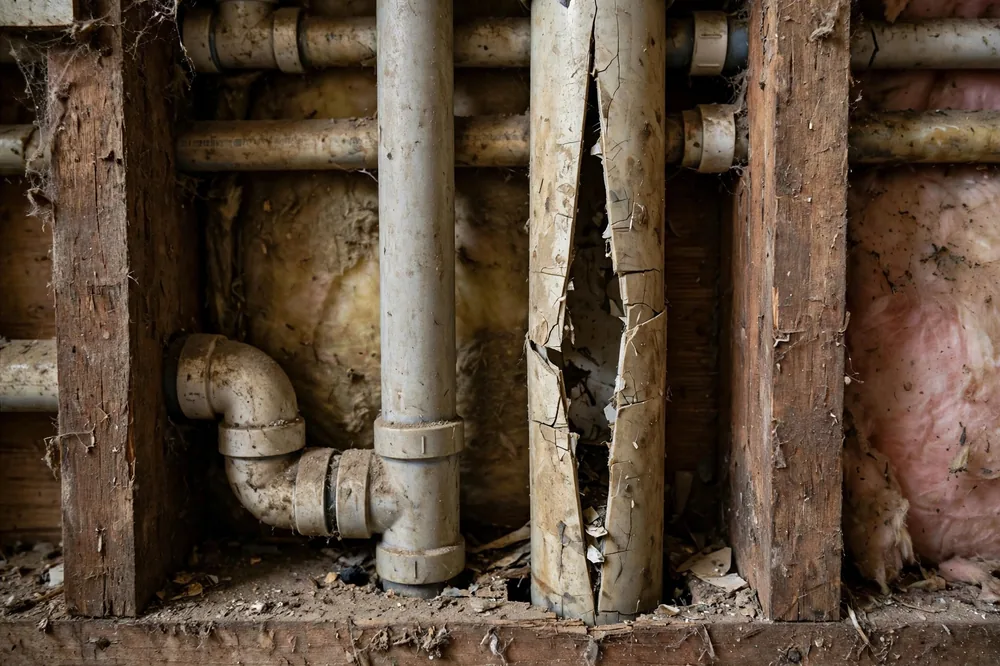
Yes, and the change is part of how rigid plastics age. CPVC pipe is made to be stiff enough to hold pressure and resist hot water, but over years of heat cycles, pressure cycles, and simple time, the material slowly loses what little flexibility it began with. Years of hot water service on the hot runs can age those lines faster than the cold runs beside them, which is one reason hot-side failures show up first in some older Idaho homes.
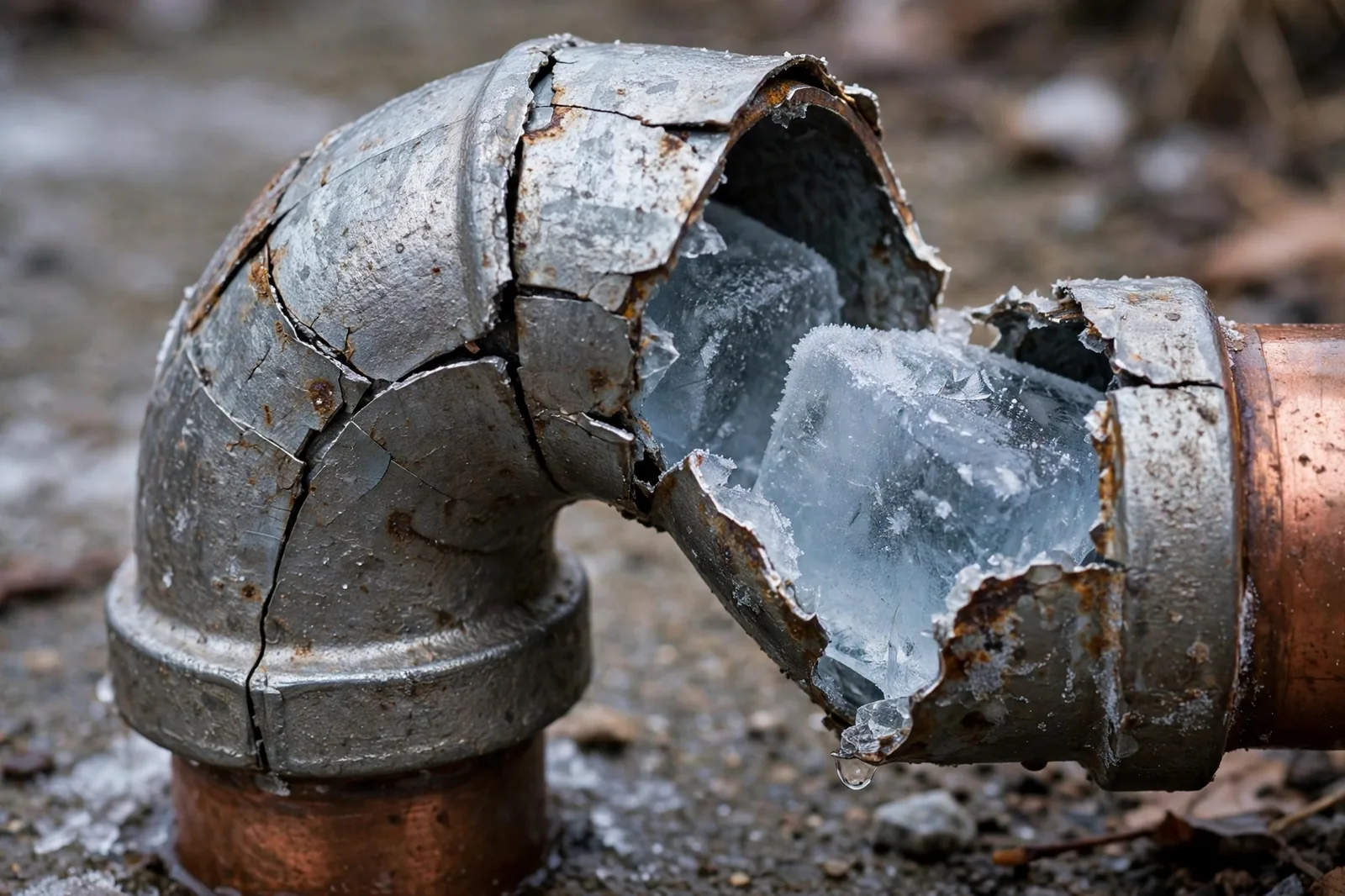
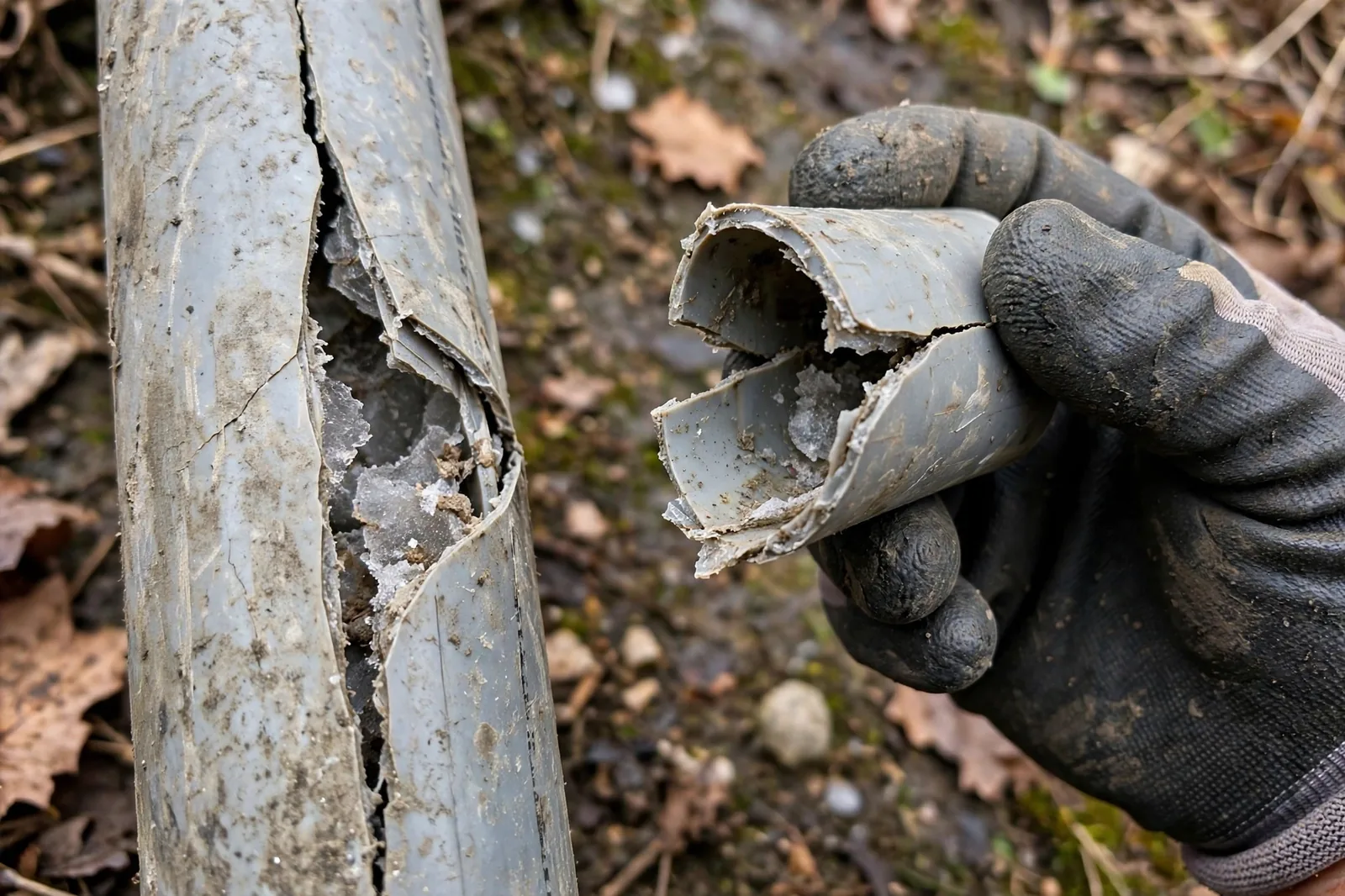
Cold deepens the problem. Like many plastics, the material stiffens as temperature falls, so a winter line is at its most fragile exactly when freeze pressure arrives. Ice expansion pressure, the force of water expanding as it freezes in a closed pipe, that a younger line might have ridden out by flexing a fraction can instead star-crack or split an aged wall. The freeze thaw cycle then works the crack a little wider with every cold snap that follows.
Why Does The Surface Not Show The Change?
Aging happens through the wall of the pipe, not just on its face. A line can look smooth and sound while its ability to flex has faded, which is why pros judge older plastic by age, leak history, and how it responds to gentle handling, not by appearance alone. Assuming an old line is fine because it looks fine is the mistake this material punishes.
Can Cold Make CPVC Crack During Repair?
It can, and repair day is a genuinely risky moment for this material. Cutting a cold line with a pipe cutter squeezes the wall before it slices, flexing a brittle pipe invites a crack running ahead of the cut, and tightening a fitting twists the very section least able to twist. A repair that would be simple in July can extend the damage in January if the line is handled the same way.
Careful pros adapt. They warm the work area gently first, support the pipe on both sides of any cut, choose cutting tools that squeeze less, and replace a longer section so the new joints land in sounder material. Homeowners reading about burst pipe help in Pingree may hear a pro suggest exactly that longer replacement, and it is not upselling: it is how a repair avoids cracking the next inch of tired pipe.
Why Do Fittings Matter So Much On Old Lines?
Our article on why fittings and joints fail first explains the general pattern: joints concentrate stress. On aged plastic that pattern sharpens, because the fitting is rigid, the solvent joint is rigid, and the pipe entering it can no longer flex away from a twist or a pull. Many winter repair cracks start within an inch of a fitting for exactly that reason.
Pipe Frozen Or Burst Right Now? One Free Call Connects You With A Local Pro.
Call NowHow Is This Different From Other Pipe Materials?
Each material ages in its own way. A copper pipe is strong and rigid, and it fails mainly where pipe corrosion, the gradual wearing away of the pipe wall, has thinned it. Galvanized steel pipe, an older zinc-coated steel pipe, corrodes from inside until the wall weakens and the bore narrows. PEX pipe, a flexible plastic pipe, keeps its flexibility far longer and flexes with ice instead of fighting it, which is why it survives freezes that crack rigid lines.
PVC pipe, a rigid white plastic used mainly for drain and vent lines rather than pressurised supply, shares the cold-stiffening habit but carries no house pressure, so its cold failures look like cracked drains rather than spraying supply lines. Knowing which material runs through your walls tells you which failure to watch for. If you do not know, a pro can identify the mix in minutes, and older Idaho homes often contain two or three materials from decades of partial repairs.
Where Do Brittle Plastic Lines Crack First?
The coldest runs go first: lines in an exterior wall, an outside-facing wall whose runs sit closest to outdoor cold, lines crossing a crawl space, the shallow space under a home where supply pipes run unheated, and runs through an attic or garage. These sections cold-soak for hours, stiffen fully, and then face the pressure of any ice that forms, all with the least ability to flex.
Joints and fittings along those runs are the weakest points of all. A failed fitting, a connector that cracks or separates, is a common first leak on aged plastic, because the joint cannot flex even as much as the straight pipe can. Homeowners near burst pipe help in Placerville, where many homes mix older plumbing with mountain cold, often meet this material at a cracked elbow behind a bathroom wall.
Which Rooms And Runs Deserve A Closer Look?
Start with any line that has leaked or frozen before, then runs feeding rooms at the ends of the house, where water sits longest between uses. A kitchen sink cabinet on an outside wall combines cold, still air, and an aged line in one common failure spot. Checking those places each fall takes minutes and targets the highest risk first.
What Should You Do When A Brittle Line Cracks?
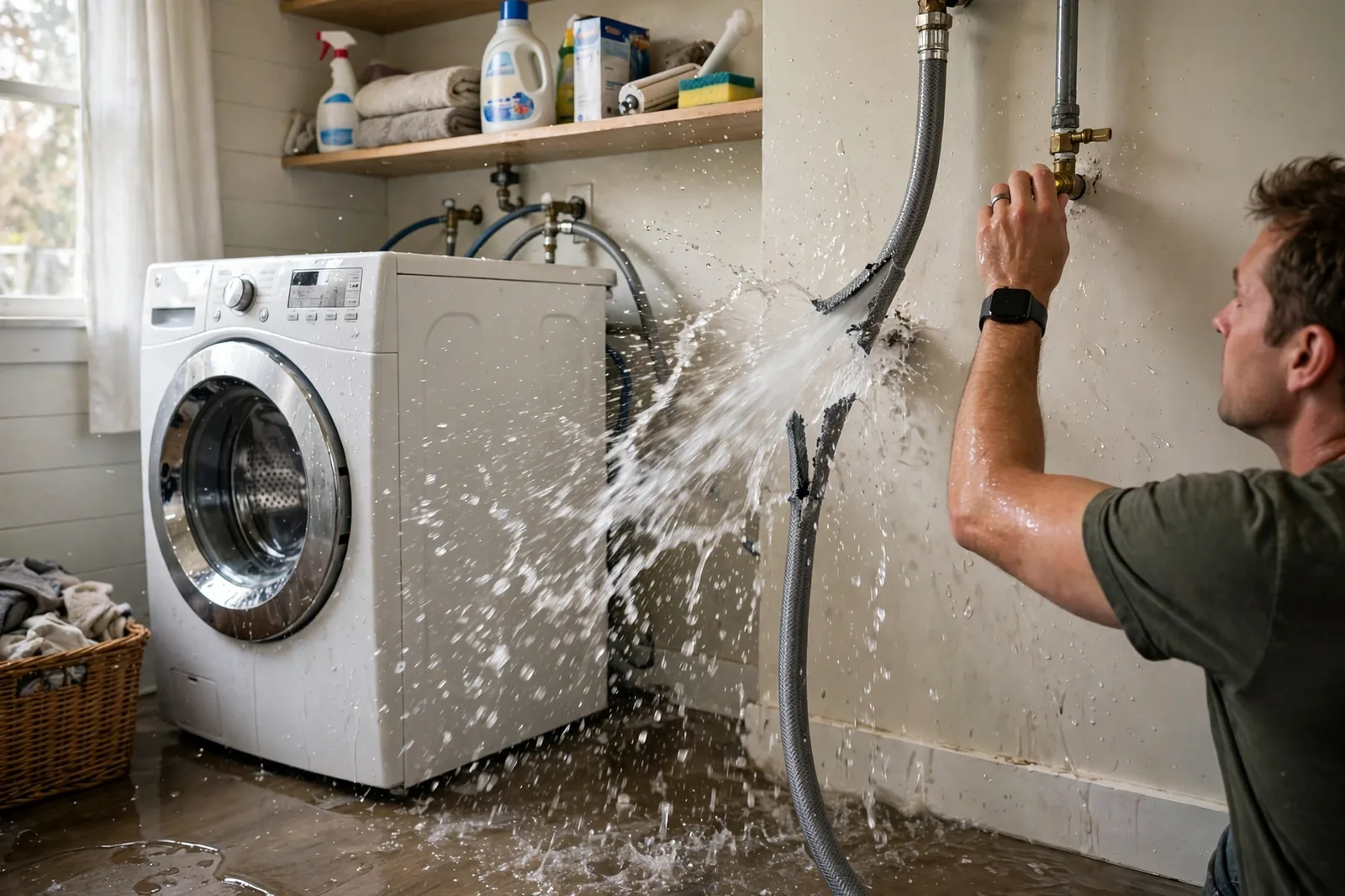
Close the main water shutoff valve, the main valve that stops all water entering the home, as soon as you see water. Do not try to bend the pipe back, tape it under pressure, or tighten a cracked fitting; each of those adds force to a wall that has just shown it cannot take force. If the crack is in an exposed spot, a gentle catch basin limits the mess while you wait, but pressure stays off until a pro sees the line.
Tell whoever comes that the plumbing is older rigid plastic. That single fact changes the repair plan: gentler cutting, longer replacement sections, and a pressure test, filling the line at a set pressure and watching for a drop, done carefully afterwards to prove the new joints hold without stressing their neighbours. A brass fitting joining new to old also reduces the twist loads at the connection compared with forcing old plastic into a new solvent joint in the cold.
Can A Temporary Patch Hold Until A Planned Repair?
Sometimes, briefly. A pipe repair clamp or epoxy putty, a hand-mixed sealing compound used as a short-term patch, can slow a small leak on a straight, supported section. Neither restores the wall's strength, and both can fail without warning on tired material. Treat any patch on aged plastic as a clock ticking toward a proper replacement, and keep the area where you can see it.
How Do Pros Judge Whether To Patch Or Replace More?
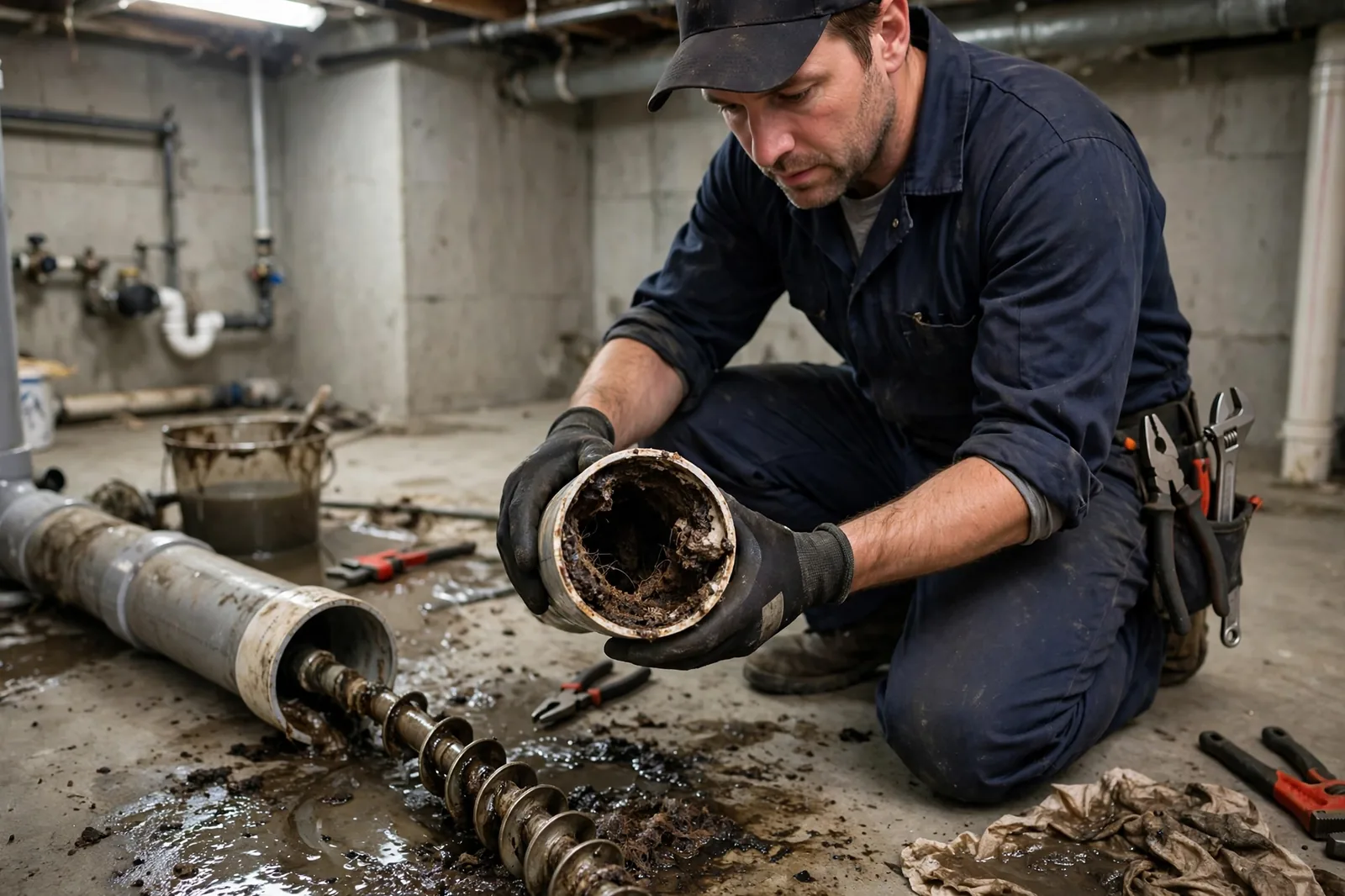
The removed piece tells the story. A pro looks at how the wall cracked, whether the fracture is clean and local or starred and travelling, and how the material responds to gentle handling at the cut ends. A line that crumbles or cracks again as it is cut is announcing its condition more honestly than any guess, and replacing further along the run, into material that still cuts cleanly, is the sound response.
History weighs in too. One crack in thirty quiet years suggests a local injury; three weeping joints in two winters suggest a system at the end of its tolerance. Supply lines to appliances deserve the same judgement, and our article on burst appliance and water heater supply hoses covers the flexible connectors that often age on the same schedule as the rigid lines feeding them.
How Do You Protect Older Plastic Plumbing Each Winter?
Insulate every exposed run you can reach. A pipe insulation sleeve, foam tubing slipped over a pipe, slows the cold-soak that stiffens the material and delays freezing. Seal the drafts that pour cold air onto lines in walls and under floors, open cabinet doors on the hardest nights, and let vulnerable taps drip slowly so water keeps moving and pressure can relieve toward the open tap instead of building against ice.
Handle the system gently all year: no hanging storage from pipes, no using a line as a handhold in the crawl space, and prompt attention to small weeps before they become splits. Owners around burst pipe help in Plummer hear the same closing advice: aged plastic rewards early, planned replacement of its weakest runs, done in mild weather with time to work carefully, far more than it rewards one more winter of hoping.
Frequently Asked Questions
Straight answers, no fine print. If your question is not here, one free call gets you a local pro who can check your exact problem.
Still Have Questions? Call Free
Answered 24/7 — a local pro can arrive in 30–60 minutes.
Call Now — (800) 555-0100Yes. Rigid plastic supply pipe loses flexibility as it ages, and cold makes it stiffer still. A line that flexed slightly in its early years can behave like glass decades later, so the pressure of a freeze that it once survived can crack it. The change is gradual and invisible from outside, which is why age alone puts older plastic plumbing on the watch list every winter.
It can, and this surprises many owners. Cutting, bending, or wrenching a cold, aged line concentrates force at the tool or fitting, and a brittle wall can star or split instead of flexing. Warming the work area gently, supporting the pipe while cutting, and replacing a longer section rather than forcing a tight repair all reduce the risk. An experienced pro plans cuts on old cold plastic carefully.
Look for a chalky or faded surface, fine surface cracks, and fittings that have loosened or wept before. Listen too: aged rigid plastic can make faint cracking sounds when flexed slightly, a warning to stop and support it. The surest evidence is history: repeated small leaks at joints in an older home suggest the material itself, not one bad fitting, is reaching the end of its tolerance.
Flexible pipe tolerates freezing better because it can expand slightly as ice forms, giving the pressure somewhere to go. It can still split, especially at its fittings, but it survives many freezes that crack rigid lines. That difference is why pros often replace a burst rigid section with flexible pipe where the layout allows, particularly on runs through cold spaces like crawl spaces and exterior walls.
Often, yes. A plumber can warm the area gently first, work when the pipe is less cold-soaked, support the line on both sides of a cut, and use tools that squeeze less. Repairs on aged plastic also tend to replace a longer piece, moving the new joints into sounder material. Rushing a repair on a bitter morning, with the line at its stiffest, is how a one-inch crack becomes a longer split.
No patch makes an aged, brittle wall young again. Short patches suit a sound line with one accidental injury. On a line that cracked from age and cold, the next freeze tends to open the next weakest spot, and repeated callouts add up. A pro can show you the condition of the removed piece, which makes the choice between another patch and a longer replacement much clearer.
Protect it like any vulnerable line, only more so: insulation sleeves fitted snugly, drafts sealed where the run passes cold spaces, cabinet doors opened on hard nights, and a slow drip during extreme cold. Avoid disturbing, bending, or hanging weight on aged runs. If the same line freezes or weeps repeatedly, treat that as the material asking to be replaced on a planned schedule rather than during an emergency.
High water pressure stresses every joint and fitting continuously, and water hammer, the shock wave when flowing water stops suddenly, delivers sharp blows that aged plastic tolerates poorly. Together they can turn a hairline weakness into a crack without any freeze at all. If taps bang, toilets thump, or pressure reads high, having it checked protects brittle lines through every season, not only in winter.
Watch for weeping joints, damp spots that return after drying, pressure changes, and new cracks near earlier repairs. Older plastic usually announces its decline through a pattern of small failures rather than one sudden break, though a hard freeze can still split it outright. Keeping a simple note of each leak, with dates and locations, helps a pro judge whether the system is telling you it is finished.
Call as soon as a rigid plastic line cracks, weeps at several joints, or must be repaired in deep cold. Idaho Burst Pipe Pros answers 24/7 on (800) 555-0100 and connects you with an independent local pro, typically arriving in 30–60 minutes. Mention the pipe material and the home's age; that warning lets the pro plan a repair that supports the line instead of stressing it further.
Reviewed By Hamza
Lead Water Damage Restoration & Structural Drying Specialist
Hamza is an emergency water restoration specialist with deep expertise in burst pipe mitigation, freeze damage remediation, and industrial structural drying across freezing northern climates. He focuses on rapid moisture extraction, thermal imaging diagnostics, and comprehensive subfloor restoration to protect homes from mold and structural deterioration.
Updated October 27, 2026
Need Burst Pipe Help In Idaho?
One free call connects you with a local pro — answered 24/7, and a pro can arrive in 30–60 minutes.
Call Now — (800) 555-0100Free Call · Answered 24/7 · Local Pros Near You