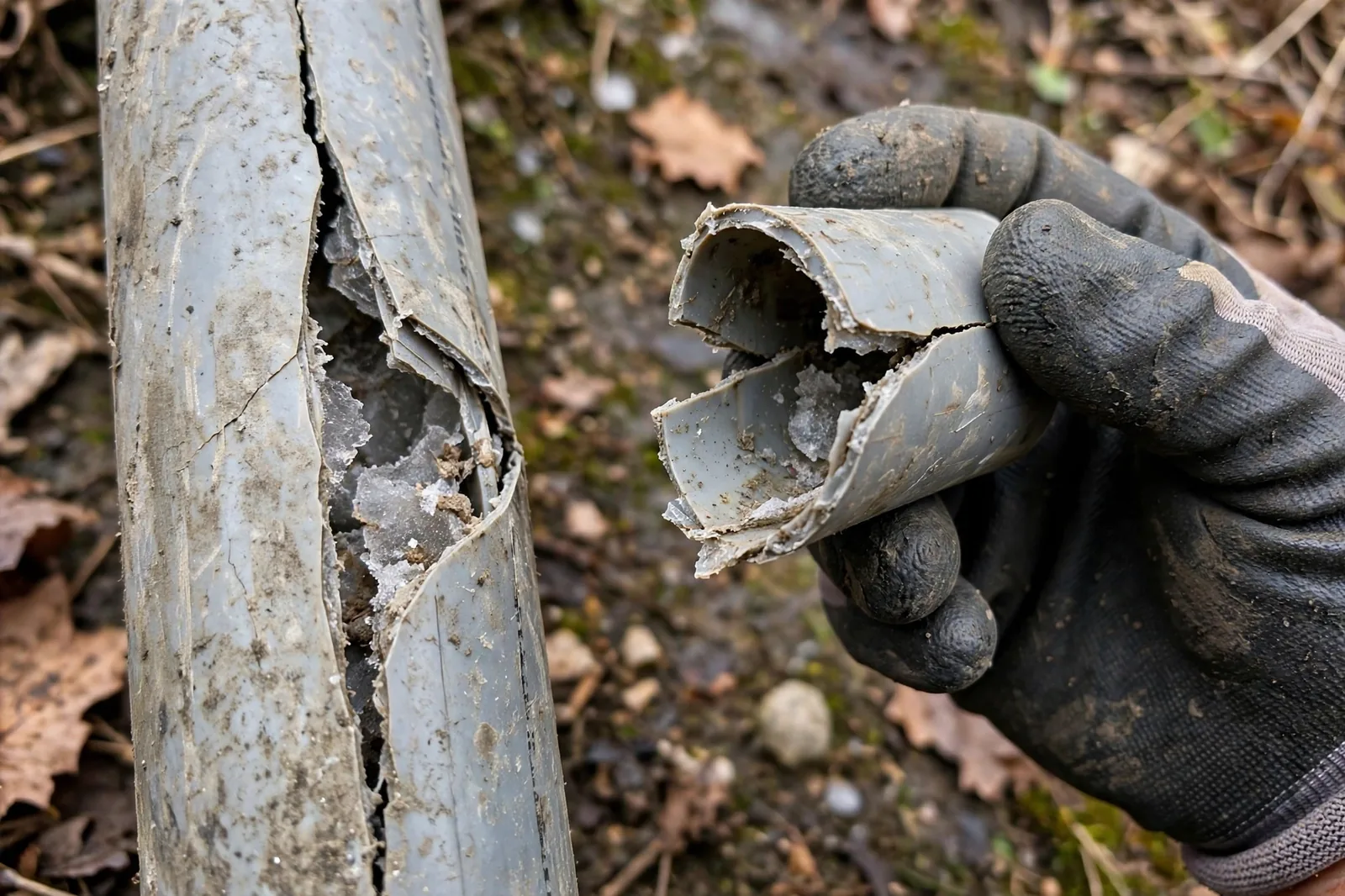
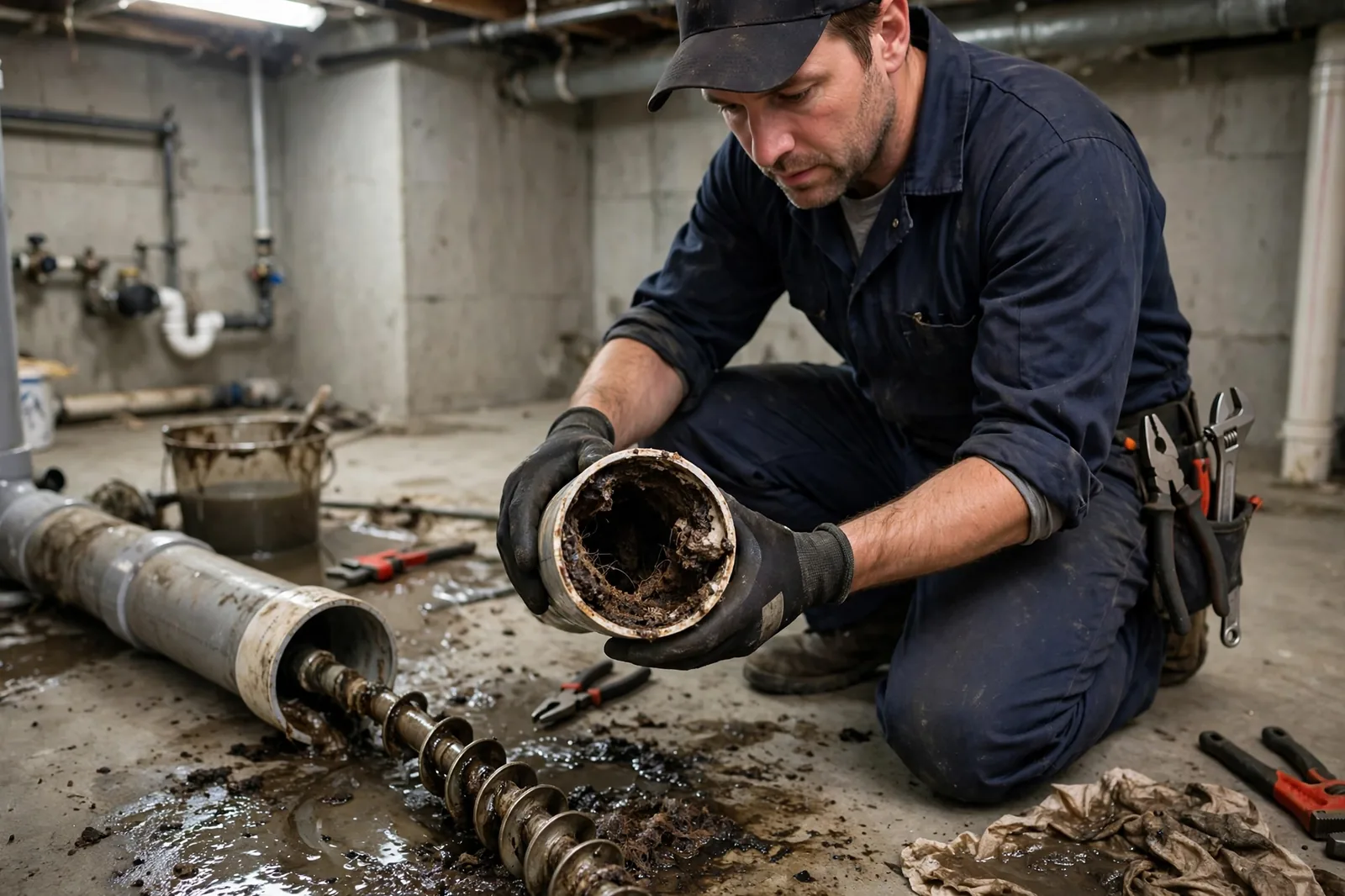
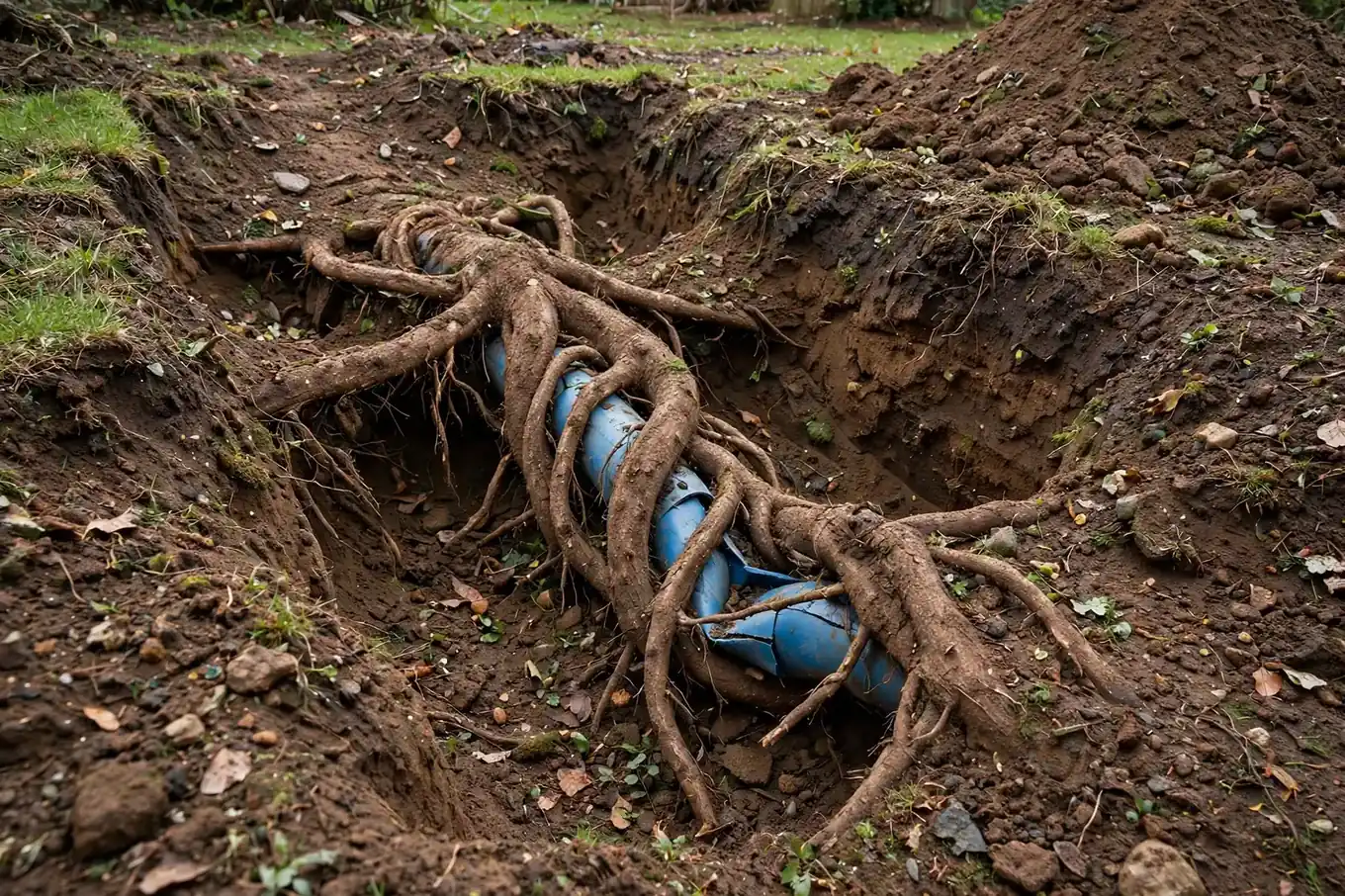
The Supply Hoses That Burst Like Pipes: Washers And Water Heaters
Free Call · Answered 24/7 · Local Pros Near You
In This Guide
- Can A Washing Machine Or Water Heater Hose Burst Like A Pipe?
- What Are The Warning Signs A Hose Is About To Fail?
- What Happens In The First Minutes After A Hose Bursts?
- How Are Heater And Washer Hoses Different In Risk?
- How Do Pros Replace And Secure Supply Hoses?
- What Drying Does A Hose Burst Need Afterwards?
- How Do You Prevent Hose Bursts Across The Whole House?
- When Is A Hose Problem An Emergency Call?
Quick Answer
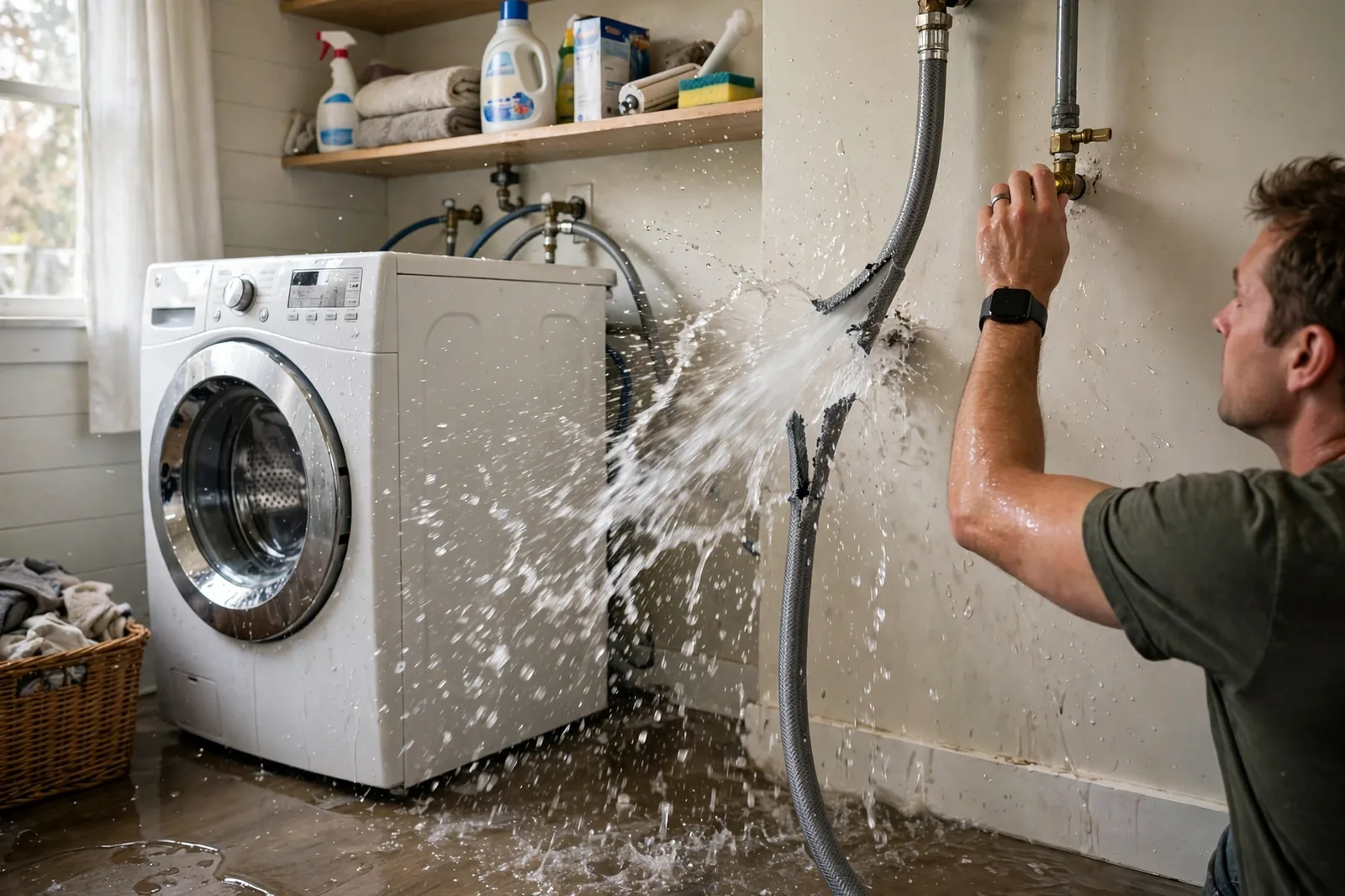
Yes, a washing machine or water heater supply hose can burst just like a pipe, and often with less warning. These flexible hoses sit under full pressure day and night, age quietly behind appliances, and split at a bulge, a corroded fitting, or a weakened bend. A burst hose pours water until somebody closes its valve, which is why checking them belongs on every homeowner's routine list.
Can A Washing Machine Or Water Heater Hose Burst Like A Pipe?
Yes. A supply hose is effectively a short, flexible section of your plumbing, connected to the same pressurised lines as every tap in the house. The difference is that a rigid copper pipe, the metal pipe used in many Idaho homes, tolerates decades of pressure, while a rubber or braided hose ages with heat, pressure cycles, and time until a weak spot gives way, often suddenly and usually when nobody is in the room.
Water heaters add heat to the equation. The water heater, the appliance that heats household water, feeds hot lines whose hoses and connectors endure constant warmth, which speeds the breakdown of rubber. On the cold side, high water pressure, supply pressure above what home plumbing is designed for, stresses the hose wall every hour of every day, including the hours when the machine is not running.
Why Do Hoses Fail Without Any Warning Signs You Noticed?
Because the failure point hides. The bulge forms behind the machine where nobody looks, the fitting corrodes inside its crimp, and the hose still works normally the day before it splits. The machine fills and drains as usual right up to the failure, so the first visible sign is often water spreading across the floor from behind the appliance.
What Are The Warning Signs A Hose Is About To Fail?
Look for bulges, blisters, or a section that feels soft or swollen compared with the rest of the hose. Check the ends for rust, green corrosion staining, or dampness at the crimp where the fitting joins the hose, and feel for stiffness or cracking when the hose bends. A hose that kinks sharply behind the machine lives under constant strain at that bend and deserves replacing on suspicion alone.
Age is a sign in itself. If you cannot remember when the hoses were fitted, treat that as your answer. Homeowners moving into a house around burst pipe help in Pocatello inherit hoses of unknown age behind every appliance, and swapping a full set during the first month is one of the cheapest risk reductions a new owner can make.
How Often Should Supply Hoses Be Checked?
Give them a hands-on check twice a year: pull the machine out far enough to see and feel the full length, look at the connections with a torch, and run a dry hand along the hose to feel for damp. Note the fitting date on a tag or in your phone, so the next check starts from a known age rather than a guess.
Pipe Frozen Or Burst Right Now? One Free Call Connects You With A Local Pro.
Call NowWhat Happens In The First Minutes After A Hose Bursts?
Water leaves the hose at full line pressure, and a laundry room floor can be covered in minutes. Close the valves on the wall behind the machine first if you can reach them safely; each supply usually has its own small shutoff. If those valves are stuck, corroded, or spraying, go straight to the main water shutoff valve, the main valve that stops all water entering the home.
Then cut power to the area if water is near outlets or the machine's electrics, move anything stored on the floor, and start getting water up with a wet and dry vacuum, a vacuum that can remove standing water, while you call for help. Standing water, pooled water left sitting in a room, soaks into floor coverings and wall bases quickly, and a ground-floor laundry can feed water under flooring into rooms you cannot see.
Why Does A Laundry Flood Spread So Far?
Laundry rooms often sit on the main floor with finished rooms around and below them, and their drains, if fitted at all, are small. Water runs under the flooring, through the subfloor joints, and down inside walls. A burst on an upper floor is worse again, because gravity pulls the water through ceilings and light fittings into the rooms underneath.
How Are Heater And Washer Hoses Different In Risk?
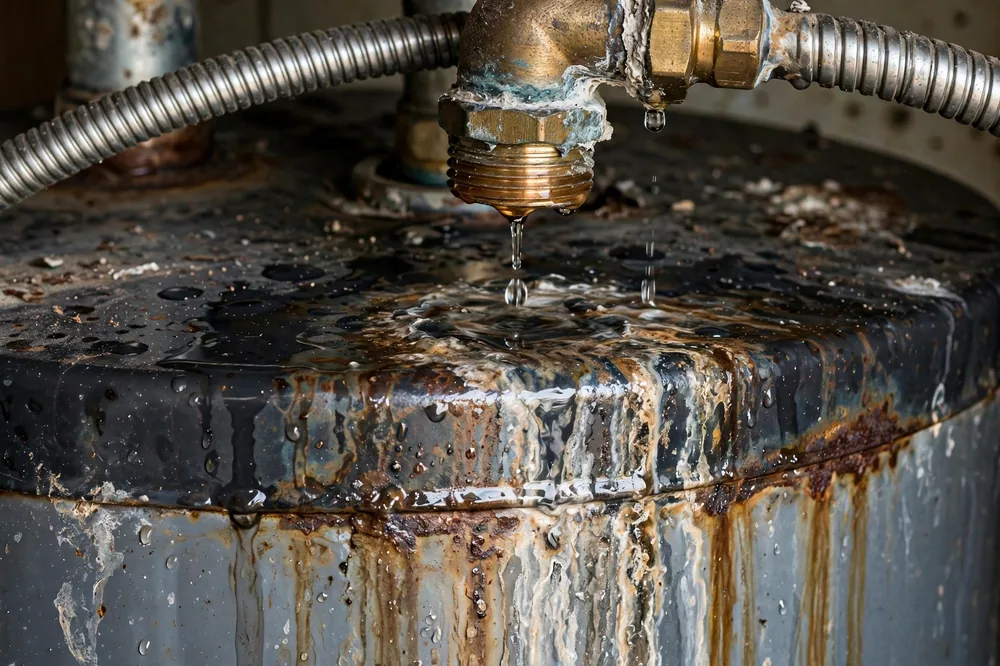
A washing machine hose fails under pressure alone, while heater connections face pressure plus heat plus the expansion of hot water. Flexible connectors at the heater also move slightly as the tank heats and cools, working their joints over the years. A failed fitting, a joint or connector that cracks or separates, at the top of a heater can spray hot water, which adds a scald risk to the flood risk and changes how you approach the shutoff.
Dishwashers, fridges with ice makers, and toilets use smaller supply lines with the same basic weakness: constant pressure on an ageing flexible part. Our look at whether older plastic pipe gets brittle and cracks in the cold covers the same ageing chemistry in rigid lines, and the lesson transfers: materials that flex and heat-cycle do not last forever, even when they look quiet and dry.
Do Braided Steel Hoses Remove The Risk?
They reduce it, they do not remove it. A braided outer layer resists bulging and abrasion, but the inner tube still ages and the crimped ends can still corrode or work loose. Treat braided hoses as longer-lived rather than permanent, check them on the same schedule, and replace them when the braid frays, rusts, or the hose reaches a good age.
How Do Pros Replace And Secure Supply Hoses?
The replacement itself is straightforward: shut off the water, drain the line, remove the old hose, fit a new one with sound washers and a brass fitting, a corrosion-resistant metal connector, where the design calls for it, then restore pressure slowly and check every joint dry with a tissue or dry hand. The professional value lies in the checks around the swap: valve condition, pressure, and the state of the wall and floor behind the machine.
A pro will also test valves that have not moved in years, because a wall shutoff that will not close is a hazard you want to discover during a planned visit, not during a burst. Around burst pipe help in Post Falls, it is common for a hose call to end with two new hoses, two working valves, and a note of the fitting date for the next owner.
Should You Add A Leak Sensor Behind Appliances?
A small battery leak sensor on the floor behind the washer costs little and shouts early, which matters because hose bursts usually happen when nobody is nearby. Sensors that pair with an automatic shutoff go further and close the water themselves. Neither replaces inspection, but an alarm that cuts a flood from hours to minutes changes the damage completely.
What Drying Does A Hose Burst Need Afterwards?
The same drying discipline as any burst pipe, scaled to how long the water ran. Water extraction, removing standing water with pumps and vacuums, comes first, then structural drying, the planned drying of walls, floors and framing, with an air mover, a fan that pushes air across wet surfaces, and a dehumidifier, equipment that pulls moisture from the air. A moisture meter, a handheld device that measures moisture in drywall and wood, confirms when the structure is truly dry.
The EPA advises drying wet materials within 24 to 48 hours to limit mold growth, fungi that can start growing on wet materials within days. Flooring that sat in water deserves particular attention, because water travels under vinyl and laminate and can sit against the subfloor unseen after the surface looks dry. Photograph the damage before cleanup for any insurance claim.
Can You Use The Machine Again Straight Away?
Only after the new hose is fitted, pressure is back on, and every joint has been checked dry under a full machine cycle. Run the washer empty once and watch the connections through filling, washing, and draining. If the floor or wall behind took water, let the drying finish first so the machine is not pushed back against a damp wall.
How Do You Prevent Hose Bursts Across The Whole House?
Work through the house appliance by appliance: washer, the heater's connectors, dishwasher, fridge line, and toilet supplies. Replace hoses on a schedule based on age and condition rather than waiting for symptoms, keep the machine pulled slightly forward so hoses bend gently instead of kinking, and close the washer valves when you travel for more than a few days if your setup makes that easy.
Pressure control protects everything at once. Water hammer, a pressure shock wave when flowing water stops suddenly, bangs hoses and joints at every machine shutoff, and constant high pressure shortens hose life even at rest. If your home bangs or a gauge shows high pressure, ask a pro about it during any visit, because pressure problems rarely stop at the hoses.
What Should You Check After Any Plumbing Work Nearby?
Any job that moves the machine, changes a valve, or disturbs the connections can leave a joint weeping or a hose kinked in a new position. Recheck the area a day later and again a week later, feeling each connection with a dry hand. Small weeps found early are a washer change; the same weep found months later is a floor replacement.
When Is A Hose Problem An Emergency Call?
Call at once when a hose has burst, when a connection sprays or streams and its valve will not close, or when you find a hose bulged like a balloon under pressure. That last one is a burst that has not happened yet, and it should be treated with the same urgency: close the valve or the main, and do not use the machine until the hose is replaced.
Idaho Burst Pipe Pros is a free service connecting callers with independent local pros; calls are answered 24/7 and pros typically arrive in 30–60 minutes. Households near burst pipe help in Preston can call (800) 555-0100, and the emergency burst pipe hub for Idaho covers the process statewide. Tell the call handler it is a hose failure, so the pro brings replacements on the first visit.
Frequently Asked Questions
Straight answers, no fine print. If your question is not here, one free call gets you a local pro who can check your exact problem.
Still Have Questions? Call Free
Answered 24/7 — a local pro can arrive in 30–60 minutes.
Call Now — (800) 555-0100Yes. The hose carries the same pressurised water as the house pipes, and its flexible wall ages faster than rigid pipe. When a weakened section, bulge, or corroded end fitting gives way, water pours out at full pressure until a valve is closed. The damage that follows is identical to a burst pipe, which is why hoses deserve the same respect.
Check them by eye and hand twice a year, looking for bulges, soft spots, cracks, rust, and damp at the connections. Replace hoses that show any of those signs, that kink sharply, or whose age you simply do not know. A hose with a recorded fitting date makes the decision easy; without one, caution is the sensible policy.
Watch for dampness or corrosion at the connectors on top of the tank, green or white crusty deposits, a connector that looks bent or strained, and unexplained water in the pan or on the floor nearby. Hot water speeds the ageing of flexible parts, so any weeping at a heater connection should be dealt with promptly rather than wiped and watched.
No. The braid strengthens the hose against bulging and wear, but the inner tube still ages and the end crimps can corrode or loosen. Braided hoses are a better choice than plain rubber and usually last longer, yet they still belong on your inspection list and should be replaced when they fray, rust, or reach an advanced age.
If the valves are easy to reach and work smoothly, closing them during a trip removes pressure from the hoses while the house is empty, which removes the burst risk for that period. Stiff or corroded valves are a different matter: forcing one can start a leak, so have doubtful valves replaced during a planned visit instead.
Close the appliance valves behind the machine if you can reach them safely, or the main shutoff if not. Then cut power to wet areas, move belongings off the floor, and start removing water while you call for help. Minutes matter with a hose burst because the flow is at full pressure and the room has no drain sized for it.
Yes. Water runs under flooring, through subfloor joints, and inside wall bases, so a laundry flood can appear in neighbouring rooms and the storey below. Upper-floor laundry rooms carry the highest spread risk. Proper drying checks the structure with moisture readings rather than trusting the surface, because hidden water is what leads to mould and swollen floors later.
They are smaller, but they sit under the same constant pressure and age the same way. A toilet supply failure can run unnoticed behind the fixture, and a fridge line leak often hides under the appliance for weeks. Include them in your twice-yearly check, feeling each connection with a dry hand and looking for crusty deposits or damp.
Yes. Pressure above what home plumbing is designed for strains the hose wall and its end fittings continuously, and pressure spikes from fast-closing machine valves add repeated shocks. If hoses or joints fail repeatedly in your home, ask for a pressure check. Fixing excessive pressure protects every hose, joint, and appliance in the house at once.
Call immediately for a burst, a spraying connection, or a bulged hose under pressure. Call soon for weeping joints, corroded fittings, or valves that will not turn. A planned hose and valve swap is quick and inexpensive compared with a flood, and pros can check the floor and wall behind the appliance for hidden damp at the same visit.
Reviewed By Hamza
Lead Water Damage Restoration & Structural Drying Specialist
Hamza is an emergency water restoration specialist with deep expertise in burst pipe mitigation, freeze damage remediation, and industrial structural drying across freezing northern climates. He focuses on rapid moisture extraction, thermal imaging diagnostics, and comprehensive subfloor restoration to protect homes from mold and structural deterioration.
Updated October 27, 2026
Need Burst Pipe Help In Idaho?
One free call connects you with a local pro — answered 24/7, and a pro can arrive in 30–60 minutes.
Call Now — (800) 555-0100Free Call · Answered 24/7 · Local Pros Near You