How To Winterize Plumbing In A Vacant Home
Free Call · Answered 24/7 · Local Pros Near You
In This Guide
- How Do You Winterize Plumbing In A Vacant House?
- Should You Drain The Pipes Or Keep The Heat On?
- What Do You Do With The Water Heater And Toilets?
- How Do Outdoor Lines And Irrigation Fit In?
- What Are The Most Common Winterizing Mistakes?
- How Do You Check A Winterized Home Through Winter?
- How Do You Bring The Plumbing Back In Spring?
Quick Answer
Winterizing a vacant home means getting the water out before the cold gets in. Close the main shutoff, open every tap, and drain the system from its lowest points, including the heater tank and toilet tanks. Protect the water that stays trapped in drains with plumbing antifreeze, drain outdoor lines, and leave the heat low if you can. A drained system cannot burst, because there is no water left to freeze.
How Do You Winterize Plumbing In A Vacant House?
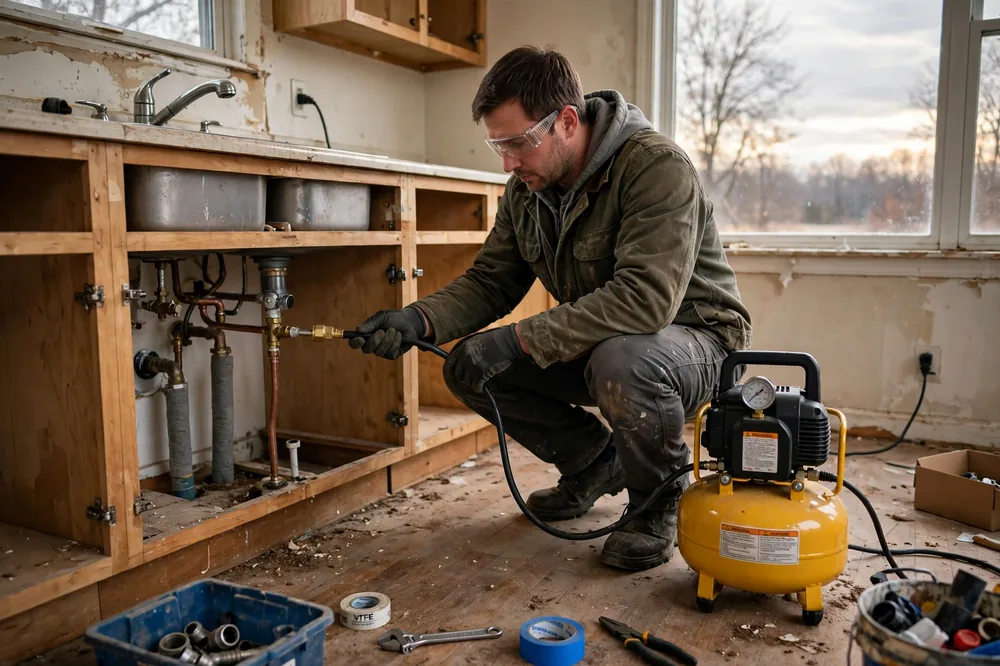
Start at the main water shutoff valve, the main valve that stops all water entering the home, and close it. Then open every tap in the house, highest and lowest, so air can enter as water leaves. Drain the system from its lowest points: the heater's drain valve, basement or crawl space taps, and any low drain valves along the runs. Leave the taps open when you finish, so any small amount of water left in a line has room to expand if it does freeze.
Work through the fixtures one by one. Flush every toilet to empty its tank, then hold the handle or open the valve so the last water leaves the bowl refill line. Run the washing machine briefly on a fill-and-spin setting only if its maker allows it for draining, and disconnect its hoses if the laundry sits in a cold space. A wet and dry vacuum can pull water from low spots and traps that gravity alone leaves behind.
Why Does The Order Of Steps Matter?
Water follows gravity, and air must replace it or the lines hold pockets. Opening taps before draining lets air in so water can leave; draining before opening valves can leave whole branches full behind an airlock. The sequence in this guide is the order pros use for a reason: each step makes the next one actually empty the part it is meant to protect.
Should You Drain The Pipes Or Keep The Heat On?
This is the real decision, and it turns on reliability. Keeping the heat on protects pipes only while the furnace, the fuel supply, and the power all keep working. Vacant homes fail quietly: a tripped breaker, an empty propane tank, or an outage during a storm can leave a heated-on-paper house at outdoor temperature within a day, with every pipe full. Owners of cabins around burst pipe help in Menan hear about exactly this pattern each winter, in homes that were warm at Thanksgiving.
Draining asks nothing of the furnace. An empty pipe cannot build ice expansion pressure, the force of water expanding as it freezes in a closed pipe, because there is no water to expand. That is why FEMA winter weather guidance and the American Red Cross both treat draining as the core step for a home left empty. Heat set low afterwards still helps finishes and deters damp, but it becomes a cushion, not the only thing standing between your plumbing and a hard freeze.
What If The Home Will Only Sit Empty For A Few Weeks?
For a short gap in a mild stretch, low heat plus open cabinet doors and a slow drip at one tap may be a reasonable choice, if someone can check the home. For any vacancy crossing the coldest months, or any home in the central Idaho mountains where cold runs long and deep, draining is the choice that survives a furnace failure or a multi-day outage.
Pipe Frozen Or Burst Right Now? One Free Call Connects You With A Local Pro.
Call NowWhat Do You Do With The Water Heater And Toilets?
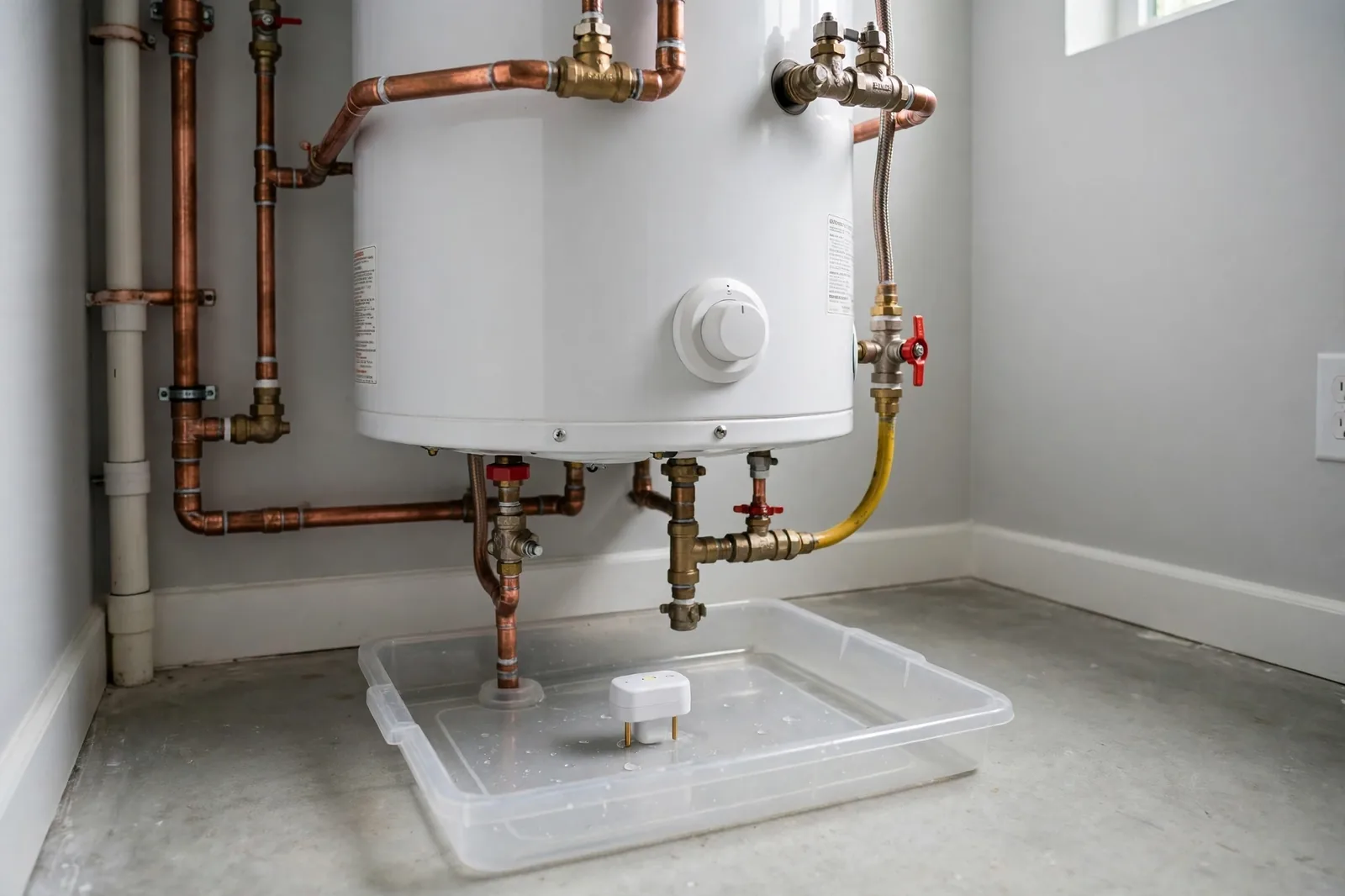
The water heater, the appliance that heats household water, holds a tankful of water that will freeze like any other if the house goes cold. Turn off its power at the breaker, or its gas supply, before draining, and let the water cool before opening its drain valve. A heater that is drained but left powered can damage itself when it runs dry, so the power step is not optional. Leave a note on the heater saying it is drained, for whoever recommissions the home.
Toilets need both halves handled. Flush to empty the tank, sponge or vacuum out what the flush leaves, and treat the bowl with plumbing antifreeze so the water held in its internal trap cannot freeze and crack the porcelain. Sink and tub traps get the same antifreeze treatment, because every trap in the house holds a cup or two of water by design, and that small amount is enough to split a trap in a deep freeze.
How Do Outdoor Lines And Irrigation Fit In?
Outdoor plumbing freezes first and is forgotten most. Disconnect every hose from its hose bib, the outdoor tap for hoses, drain that line from its inside shutoff, and leave the outside tap open. A hose left connected traps water in the bib and the wall section behind it, and that split often leaks inside the wall when spring comes, not outside where anyone would notice it quickly.
An irrigation line, buried sprinkler piping, must be blown out with air before winter, because draining alone leaves water pooled in its low spots. The same applies to lines feeding outbuildings, stock water, and detached garages around rural Idaho homes. Homeowners near burst pipe help in Middleton often winterize the house carefully and lose a sprinkler run or a barn line instead, simply because those lines sat outside the main checklist.
What About A Well And Its Lines On A Rural Property?
A rural home's well line, the pipe carrying water from a private well into the home, and its pressure tank need the same thinking: shut the pump down, drain the tank and exposed lines as the pump maker directs, and protect any shallow or above-ground section. Our related guidance on reporting damage promptly, how fast to report a burst pipe claim, is worth reading before winter too, so a discovery in spring never becomes an argument about timing.
What Are The Most Common Winterizing Mistakes?
The classic mistake is draining most of the system and missing one branch: the line to a refrigerator, a seldom-used guest bath, a laundry pair in a cold room, or a low sag in a long run where water pools even after the drain valves close. Shifting soil and old settling leave many Idaho lines with such sags. Each missed pocket is a freeze waiting for its night, and it only takes one to split a line and soak a vacant home for weeks.
The other mistakes are shortcuts: leaving the heater powered while drained, using automotive antifreeze in traps, closing all the taps after draining so leftover water has no room to expand, and never checking the home all winter. Sealing drafts matters too, and our article on sealing the drafts that freeze pipes shows how much cold a few gaps can pour onto a line that was never fully emptied.
How Do You Check A Winterized Home Through Winter?
A winterized home still deserves visits. After the first hard cold snap, walk the house with a flashlight: look for split traps, cracked toilet bowls, drips at drain valves, and any sign of water where the system should be dry. Check that the main valve still holds; an old valve can weep slowly all winter, quietly refilling the lowest lines you worked to empty, which defeats the whole exercise.
Your water meter helps if the home is on a city supply. With the main valve closed and the house empty, a meter that advances between visits means water is passing the valve or entering somewhere. For homes in growing communities like those served by burst pipe help in Meridian, a neighbour or family member often makes these checks; agree the schedule before you leave, not after the first storm.
What Should A Property Watcher Actually Look At?
Give your watcher a short list: confirm the heat, if any, is running; look for water anywhere it should not be; check under-sink cabinets and around the heater; and note storm damage to the roof, skirting, or vents. A five-minute walk with a flashlight, done after each major cold snap, catches most problems while they are still small and cheap.
How Do You Bring The Plumbing Back In Spring?
Recommission in reverse, and slowly. Close the taps you left open except one or two for air to escape, then open the main valve part way and let the system fill before opening it fully. Work through each fixture, running water until it flows clear and steady, flush every toilet, and check under every sink and around the water heater for drips as pressure builds. Only refill and then restart the heater once it is completely full of water.
Finish with two tests. A pressure test, filling the line at a set pressure and watching for a drop, proves the system survived the winter tight. A walk with a moisture meter, a handheld device that measures moisture in drywall and wood, around the spots that froze in past years confirms nothing wept into a wall. If a split does appear, it is a small, known repair on day one, not a soaked surprise discovered by smell in June.
Frequently Asked Questions
Straight answers, no fine print. If your question is not here, one free call gets you a local pro who can check your exact problem.
Still Have Questions? Call Free
Answered 24/7 — a local pro can arrive in 30–60 minutes.
Call Now — (800) 555-0100Close the main shutoff, open the faucets, and drain the system from its lowest points until water stops. Drain the heater tank, flush toilets and open their valves, protect traps with plumbing antifreeze made for the purpose, and drain outdoor lines and hoses. Work room by room with a checklist, because one forgotten low spot can hold enough water to split a pipe.
Draining protects the plumbing itself and works even if the power fails, which makes it the safer choice for a home left empty all winter. Keeping heat on protects finishes and is simpler for short gaps, but a furnace failure or outage during a cold snap leaves full pipes exposed. Many owners do both for a long vacancy: heat set low as a cushion, pipes drained as the real protection.
Yes, in most vacant homes. A drained heater cannot be damaged by freezing water expanding in its tank and lines, and draining is part of a full winterizing. Turn its power or gas off first, let the water cool, and follow the maker's steps. If you choose to keep heat on instead, the heater stays filled and on its lowest safe setting, never drained and left powered.
Use only antifreeze made for plumbing traps, following its label, and never automotive antifreeze, which is poisonous and must never enter a home's plumbing. A small amount in each drain trap, toilet bowl, and tank stops the water held there from freezing and cracking porcelain or plastic. The supply lines themselves should be empty from draining, not filled with antifreeze, in a properly winterized home.
Common misses are the washing machine hoses and valves, the refrigerator water line, a basement or garage tap, the hose bib line, and low sags in long runs that hold water even after draining. Outdoor irrigation lines need blowing out with air, or trapped water splits them. Walking the whole route of the plumbing with a written list, room by room, catches the spots memory alone misses.
A pipe can still freeze if water remains trapped in a low section, a closed-off branch, or a line against an exterior wall that never fully emptied. Draining lowers the risk greatly; it does not repeal physics. That is why opening every tap, including the highest and lowest, and checking that air moves through the lines matters, and why a mid-winter visit after extreme cold is worthwhile.
Check the home after the first hard cold snap and then regularly through winter, or arrange for someone local to do so. A short visit can catch a failed furnace, a leaking valve, storm damage to skirting or vents, and the first signs of a leak. In rural Idaho, a neighbour or property watcher often provides this peace of mind for cabins and homes between occupants.
In reverse order, slowly. Close the taps you opened, then open the main valve part way and let the system fill before turning it fully on. Open each faucet in turn to clear air, check every room for drips at joints and valves, flush toilets, and only then restart the heater once it is completely full. Rushing this step is how returning owners flood a kitchen.
Watch for a split at the spots that held water, a valve that weeps under pressure, or a trap that cracked. Run each tap, check pressure, look under sinks and around the heater, and test with the meter: with all taps off, a moving dial means water is escaping. Finding a small recommissioning leak early is a nuisance; finding it after a week of running is water damage.
Call whenever a winterizing step is unclear, a valve will not close, or you find freeze damage at any point. Idaho Burst Pipe Pros answers 24/7 on (800) 555-0100 and connects you with an independent local pro, typically arriving in 30–60 minutes. Tell them the home is vacant and for how long; a pro can winterize or recommission the system and pressure test it before you leave again.
Reviewed By Hamza
Lead Water Damage Restoration & Structural Drying Specialist
Hamza is an emergency water restoration specialist with deep expertise in burst pipe mitigation, freeze damage remediation, and industrial structural drying across freezing northern climates. He focuses on rapid moisture extraction, thermal imaging diagnostics, and comprehensive subfloor restoration to protect homes from mold and structural deterioration.
Updated October 27, 2026
Need Burst Pipe Help In Idaho?
One free call connects you with a local pro — answered 24/7, and a pro can arrive in 30–60 minutes.
Call Now — (800) 555-0100Free Call · Answered 24/7 · Local Pros Near You