How Delayed Drying Raises Burst Pipe Costs And Mold Risk
Free Call · Answered 24/7 · Local Pros Near You
In This Guide
Quick Answer
Waiting to dry a burst pipe flood almost always raises the bill. Water keeps wicking into drywall, insulation and flooring, so more material must come out, drying takes longer with more equipment, and mold can start within days, adding remediation work. Fast extraction and planned drying in the first day or two is the cheapest stage of the whole repair.
How Does Waiting To Dry A House Raise The Cost?
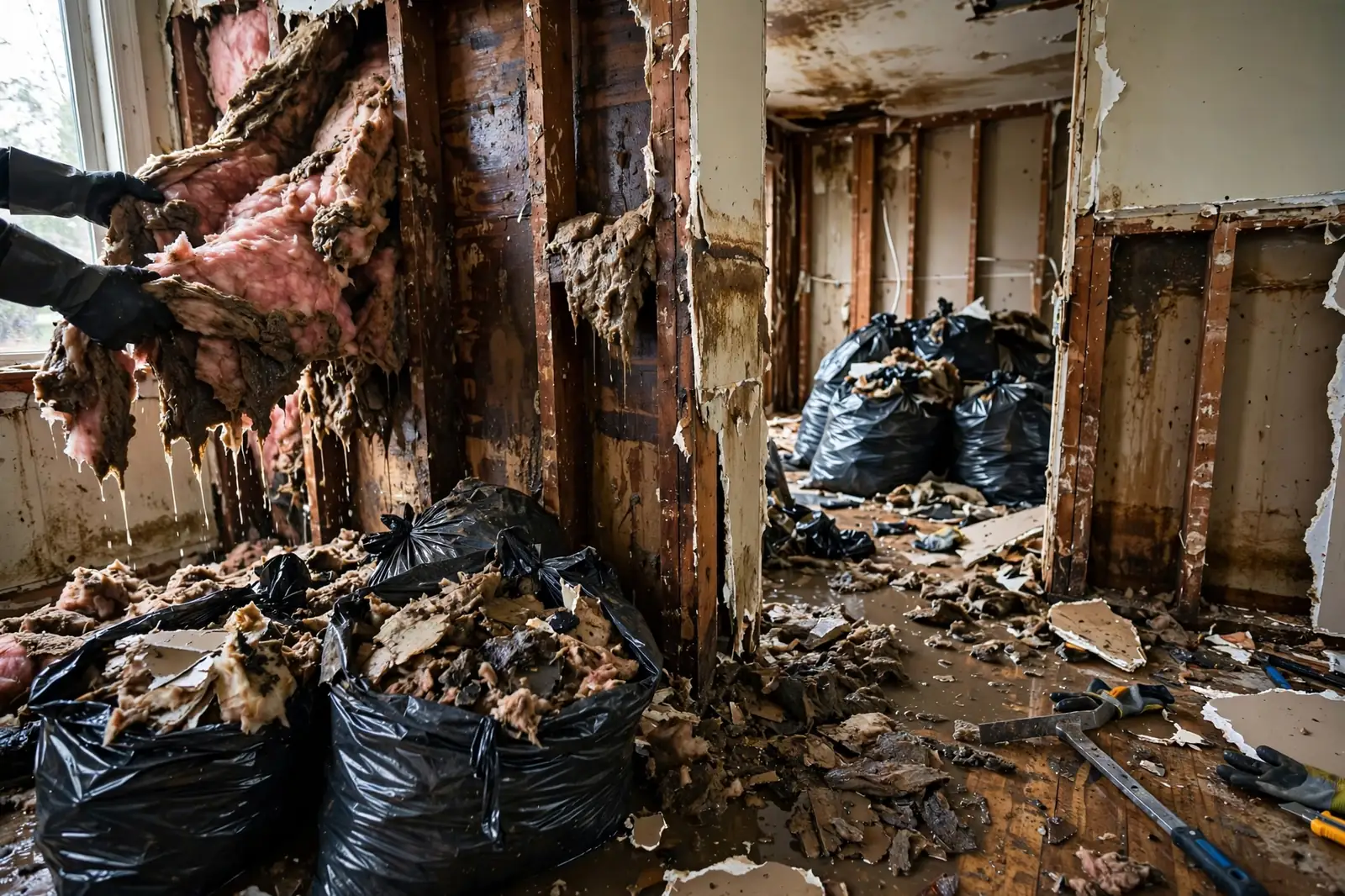
Water does not sit still. It wicks upward into drywall, spreads under flooring, and soaks into framing and insulation long after the visible puddle is gone. Every day of delay expands the wet area that must be opened, dried or removed. A one-room drying job on day one can become a three-room strip-out by the end of the week.
Time also changes which materials survive. Hardwood, cabinets and drywall that might dry safely in the first days can warp, swell or delaminate when left wet. Homeowners reading wet materials that drive burst pipe costs see the same pattern: the material list, not the pipe, is what grows. Acting early keeps more of the home in the dry-in-place column in most cases.
What Is The First Day Worth?
Extraction and drying started within the first day usually means fewer materials removed, fewer days of equipment, and no mould work at all. Each added day is not equal: the jump from day one to day three matters more than from week two to week three, because wicking and microbial growth move fastest early. Speed early beats effort later.
When Does Mold Remediation Become Part Of The Bill?
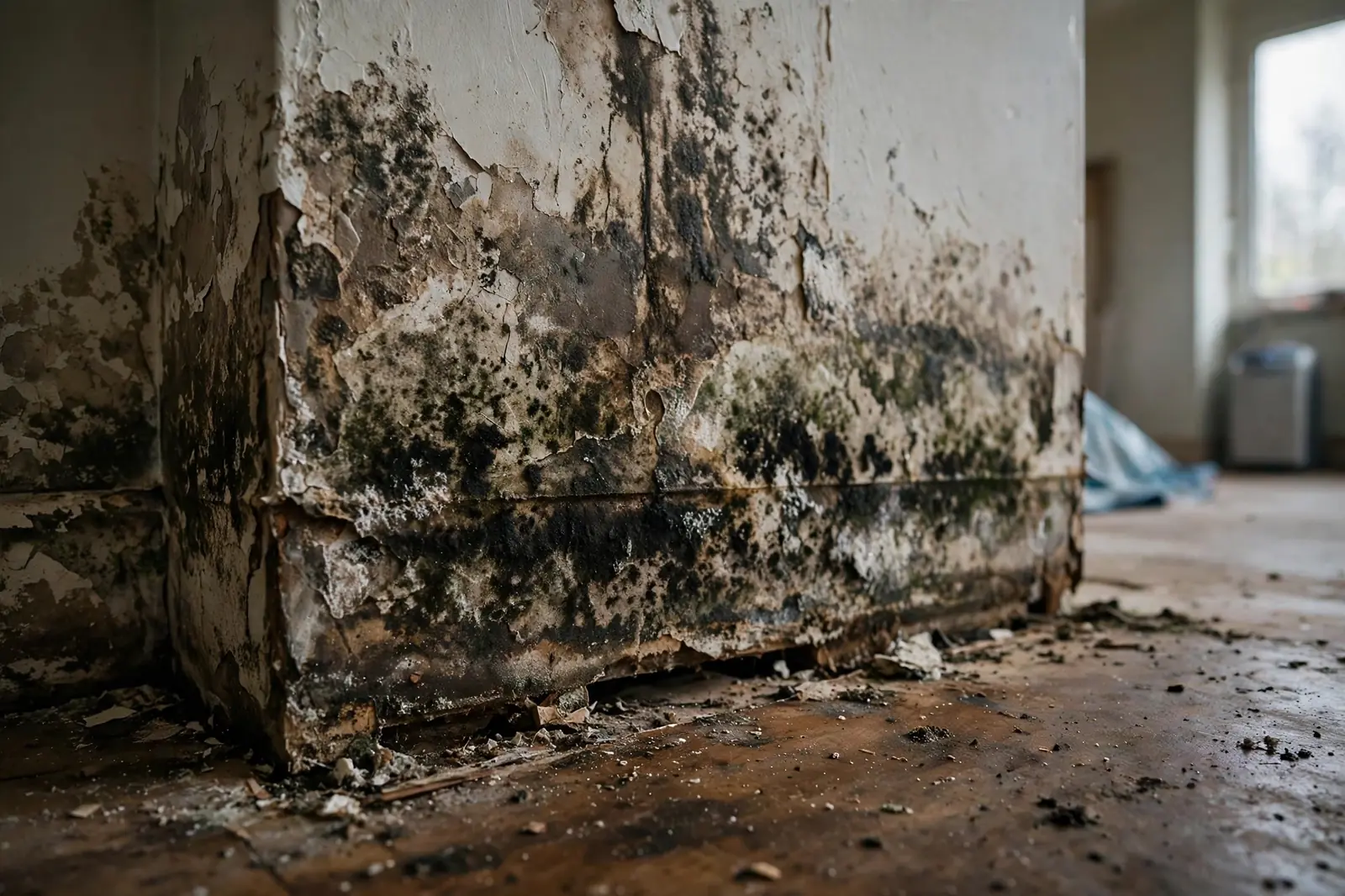
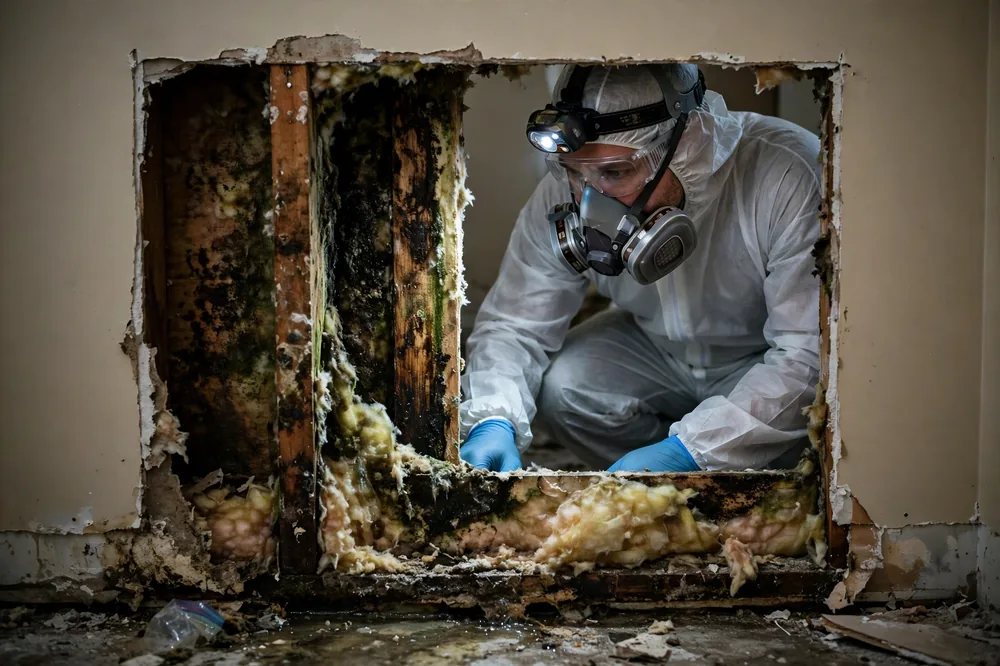
Mold growth, fungi that can start growing on wet building materials within days, is the turning point. The EPA advises drying wet materials within 24 to 48 hours to limit mould. Past that window, growth can begin on paper-faced drywall, wood and dust in wall cavities, even where surfaces feel dry to the touch.
Once growth is established, the job changes category. Containment, careful removal of colonised material, cleaning and verification add steps, time and cost that simple drying does not need. Owners in burst pipe help in Worley who start drying the same day usually avoid this entire layer of work, even after a large burst.
Can You See All The Mold That Matters?
No. Growth often starts inside wall cavities, under flooring and behind cabinets where air does not reach. A musty odour with no visible spots can still mean hidden growth fed by saturated insulation, wall or floor insulation soaked by a leak. Pros use moisture readings to decide where to open, rather than relying on what the surface shows.
Pipe Frozen Or Burst Right Now? One Free Call Connects You With A Local Pro.
Call NowWhat Happens Inside Wet Materials Day By Day?
In the first hours, standing water, pooled water left sitting in a room, soaks floor coverings and the bottom of walls. Over the next day, water climbs drywall by wicking and reaches insulation, which holds moisture against framing. By days two to three in warm conditions, microbial growth can begin, and odours appear even as surfaces start to look better.
Later, swelling and staining set in. Laminate lifts, hardwood cups, cabinet bases soften, and metal fasteners and fittings corrode. At that stage drying alone cannot restore shape or finish, so replacement replaces drying on the estimate. The pipe repair price barely changed during all this, which shows where delay really sends its bill.
Does Cold Weather Slow The Damage?
Cool, dry air can slow microbial growth somewhat, and a cold Idaho house may buy a little time, but wicking and swelling continue regardless. Winter also brings frozen risk for wet lines and equipment problems. Treat cold as a small buffer, not a solution, and start extraction and drying as soon as the water is stopped.
What Equipment Does Proper Drying Use?
Structural drying, the planned drying of walls, floors and framing, combines water extraction, removing standing water with pumps and vacuums, with air movement and dehumidification. An air mover, a fan that pushes air across wet surfaces, speeds evaporation, while a dehumidifier, equipment that pulls moisture from the air, captures it so it does not settle elsewhere in the home.
Delay increases equipment time. A larger wet area needs more units running for more days, plus more monitoring visits to check readings. A moisture meter, a handheld device that measures moisture in drywall and wood, guides when equipment can stop. Drying to a measured target, rather than a guessed number of days, is what prevents both under-drying and overpaying.
Why Not Just Use Household Fans And Heat?
House fans move some air but do not remove moisture from it, so evaporated water can condense in cooler rooms or inside walls. Household heat without dehumidification can even speed microbial growth in warm wet cavities. For a small, caught-in-minutes spill, fans may suffice. For water inside walls and floors, measured professional drying is the safer standard.
Which Delays Cost Homeowners The Most?
Waiting to call anyone is the costliest delay, followed by mopping the surface and assuming the job is done. Hidden moisture is the expensive kind. Another costly pause is waiting for insurance approval before any drying starts, when policies generally expect you to prevent further damage, as documenting burst pipe damage for insurance explains: document first, then dry.
Travelling owners face a special version of delay, where a burst runs for days undiscovered. Leak shutoff devices, caretaker checks and simply closing the main valve before trips all attack that risk. Homes near burst pipe help in Aberdeen that sat wet over a weekend show the clearest cost jump in these comparisons.
What About A Small Leak That Feels Dry?
A small leak into an open, ventilated area that is dried within hours rarely needs remediation. The risk lies in water that reaches enclosed spaces: wall cavities, under-floor areas and behind fixed cabinets. If you cannot confirm those spaces are dry by touch and smell over the following days, a moisture check is a small price against hidden growth.
How Do Pros Prove A Home Is Dry?
Pros log readings from the same points each visit: wall bases, flooring, framing and a unaffected reference area. Drying is complete when readings return to normal levels for those materials, not when surfaces feel dry. This record also serves the insurance file, showing what was wet, what was done, and when targets were reached.
Where growth is suspected, the pro may open a small inspection area rather than guessing. In homes around burst pipe help in Almo, that measured approach often saves material, because only sections that truly stayed wet come out. Guesswork cuts both ways: too little opening leaves growth behind, and too much wastes sound material.
Should You Keep Your Own Notes Too?
Yes. Note when the burst was found, when the water was stopped, when drying started, and photograph each wet area daily. Your timeline plus the pro's readings make later questions easy to answer, whether from an insurer, a buyer or your future self wondering what was repaired after a stain reappears.
What Should You Do In The First Hours?
Close the main water shutoff valve, the main valve that stops all water entering the home, move belongings out of the water, and take dated photos before cleanup. Then start extraction with a wet and dry vacuum, a vacuum that can remove standing water, for small amounts, and call for drying help the same day rather than after the weekend.
Idaho Burst Pipe Pros is a free service connecting callers with independent local pros on (800) 555-0100, answered 24/7, with pros typically arriving in 30 to 60 minutes. The emergency burst pipe help in Idaho page lists the full first-hour sequence. Money spent on fast drying is usually the smallest line in a burst pipe repair, and it protects every larger line that follows. Check the basement, the attic and the crawl space as well, and look around the water heater, because hidden damp in those places is easy to miss at first.
Frequently Asked Questions
Straight answers, no fine print. If your question is not here, one free call gets you a local pro who can check your exact problem.
Still Have Questions? Call Free
Answered 24/7 — a local pro can arrive in 30–60 minutes.
Call Now — (800) 555-0100Water keeps wicking into drywall, insulation and flooring, so the wet area grows while you wait. More material then needs opening, drying or replacement, equipment runs longer with more units, and finishes that might have dried safely warp or swell. The pipe repair itself stays the same price. Almost all of the increase comes from water spreading through the home's materials.
When growth takes hold on wet materials, which can begin within days, and sooner in warm enclosed spaces like wall cavities. Guidance from the EPA points to drying within 24 to 48 hours to limit growth. Once colonised material must be contained, removed and cleaned, the job grows beyond simple drying in both steps and cost, which is why same-day drying matters.
Growth can begin within one to two days on damp paper, wood and dust, especially inside walls where air does not circulate. Visible spots may appear later than hidden growth. A musty smell after a burst is an early warning even when surfaces look clean. Prompt extraction and measured drying are designed to finish before growth gets that foothold.
Extraction equipment removes standing water first. Then air movers push air across wet surfaces to speed evaporation, and dehumidifiers pull that moisture from the air so it cannot settle elsewhere. Moisture meters track progress at set points until readings return to normal. Delayed starts need more units for more days, because the wet area has grown before work begins.
For a small surface spill caught in minutes, fans and towels may be enough. For water that entered walls, floors or insulation, household fans cannot remove moisture from the air or reach enclosed cavities, and growth can continue unseen. If you cannot verify hidden spaces are dry, arrange a professional moisture check rather than trusting how the surface feels.
Treatment varies by policy, and many policies limit mould cover or tie it to how promptly the sudden water event was handled and reported. Fast drying, photos, timelines and receipts all support your position. Waiting days before acting weakens both the home and the paperwork. Report promptly, document everything, and start drying rather than waiting for approval to protect the home.
Paper-faced drywall wicks water upward and feeds growth, insulation holds moisture against framing, laminate and hardwood swell and warp, and cabinet bases soften. The longer these stay wet, the more move from dry-in-place to removal and replacement. That material list is where delay shows up on the estimate, long after the pipe itself has been repaired.
When moisture readings at the checked points return to normal levels for those materials, compared with an unaffected reference area, not merely when surfaces feel dry. A pro logs readings at the same spots each visit and stops equipment based on those numbers. Finishing early risks hidden growth; running equipment past the target wastes money, so measurement protects against both.
Yes. A musty odour appearing or lingering weeks after a burst suggests moisture or growth remains somewhere hidden, commonly inside a wall cavity, under flooring or behind cabinets. Do not just mask it. Arrange a moisture inspection of the areas that were wet, so any remaining problem is found while it is still small and localised.
Stop the water, photograph the damage, then call for repair and drying help the same day. Idaho Burst Pipe Pros is a free service connecting callers with independent local pros on (800) 555-0100, answered 24/7, with pros typically arriving in 30 to 60 minutes. Same-day extraction and drying is the step that most reliably keeps mould work off the bill.
Reviewed By Hamza
Lead Water Damage Restoration & Structural Drying Specialist
Hamza is an emergency water restoration specialist with deep expertise in burst pipe mitigation, freeze damage remediation, and industrial structural drying across freezing northern climates. He focuses on rapid moisture extraction, thermal imaging diagnostics, and comprehensive subfloor restoration to protect homes from mold and structural deterioration.
Updated October 27, 2026
Need Burst Pipe Help In Idaho?
One free call connects you with a local pro — answered 24/7, and a pro can arrive in 30–60 minutes.
Call Now — (800) 555-0100Free Call · Answered 24/7 · Local Pros Near You