How To Document Burst Pipe Damage For An Insurance Claim
Free Call · Answered 24/7 · Local Pros Near You
In This Guide
- How Should You Document Water Damage For Insurance?
- What Photos And Records Help A Burst Pipe Claim?
- What Should You Photograph First?
- How Do You Log Times, Calls And Costs?
- Why Should You Keep The Damaged Pipe Section?
- How Does Drying Documentation Support The Claim?
- What Should You Send, And What Should You Keep?
Quick Answer
Document a burst pipe the way an adjuster will later need to see it: dated photos and video of every wet room before cleanup, a written timeline of when you found the water and stopped it, the split pipe section kept as evidence, and every invoice, reading and receipt saved in one folder. Good records made in the first day are worth more than a long explanation written a month later.
How Should You Document Water Damage For Insurance?
Start from the adjuster's chair. Weeks later, someone who never saw your home wet must decide what happened, what it damaged and what the repair should cover, using only your file. Your documentation is that file. It needs three things: clear images, a clear timeline and clear numbers. Photographs show the damage, the timeline shows you acted promptly, and moisture readings and invoices show the scale and the response.
Build the file in the order events happen. Before cleanup, capture the damage as found. During mitigation, capture the work and the readings. After repair, capture the finished result and keep every bill. Homeowners around burst pipe help in American Falls who keep that simple order rarely struggle to answer an adjuster's questions, because the file answers them in sequence.
Should You Wait For The Adjuster Before Cleaning Up?
No. Photograph everything first, then clean and dry without delay. Standing water, pooled water left sitting in a room, damages more material every hour it sits, and policies expect you to limit further loss. An adjuster would rather see thorough photos of a room already drying than a perfectly preserved room that stayed wet for a week and grew mold. Document, then mitigate: that order satisfies both duties.
What Photos And Records Help A Burst Pipe Claim?
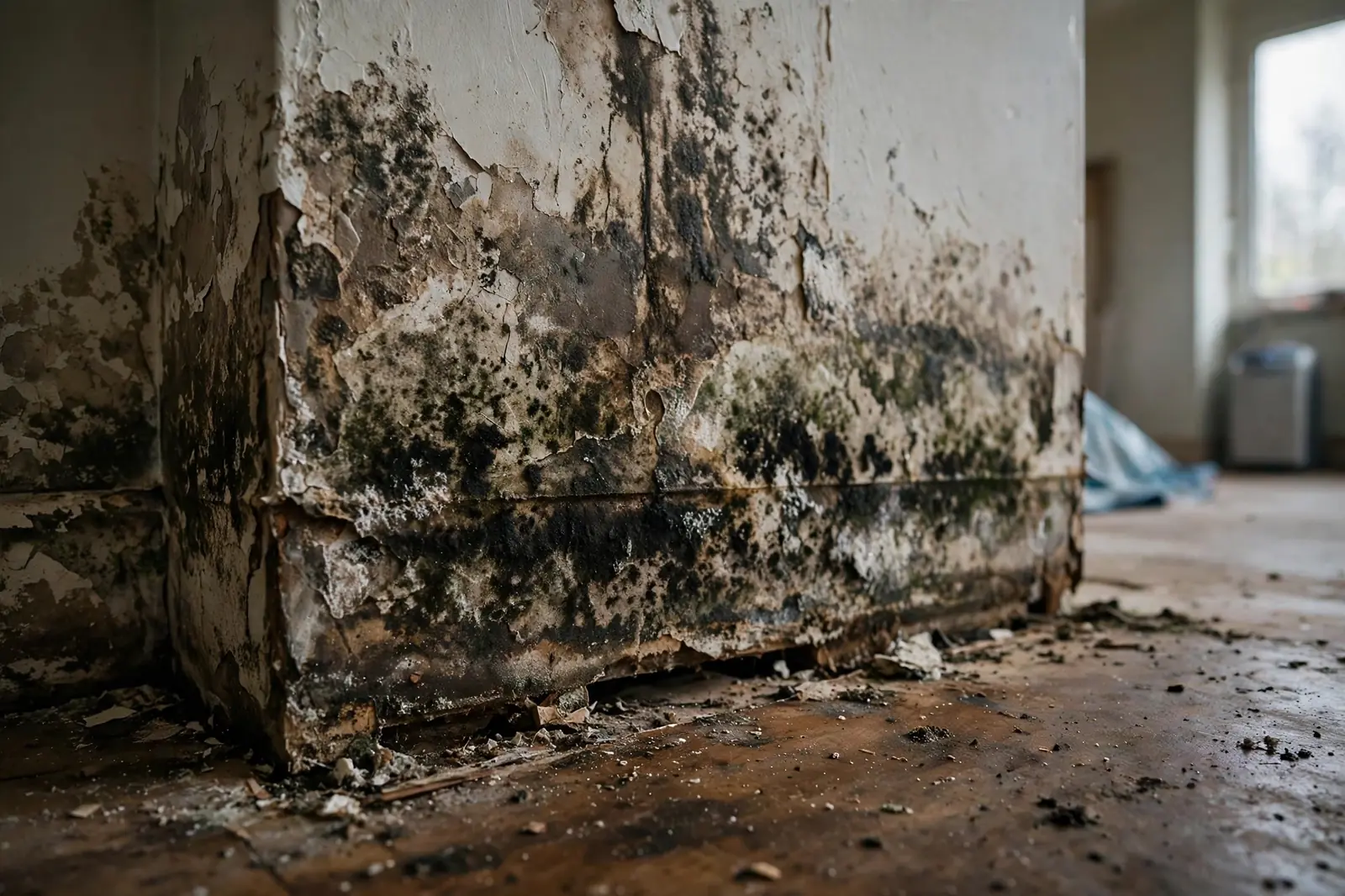
The strongest photo set has layers: a wide shot of each affected room, mid-range shots of each damaged wall and floor area, and close-ups of the broken pipe, split fitting or failed joint itself. Add photos of damaged belongings in place before they are moved, waterline marks on walls, and the water meter, the utility meter that records water use, if it showed movement. A slow video walk-through ties the still photos together.
Records matter as much as images. Keep the pro's invoice and drying log, receipts for fans, pumps or lodging, and a simple written list of damaged items with their approximate age. Note the names and times of every call — to the pro, to the insurance company and to anyone who helped. Our guide to how delayed drying raises costs and mold risk explains why the drying record, in particular, carries weight.
Pipe Frozen Or Burst Right Now? One Free Call Connects You With A Local Pro.
Call NowWhat Should You Photograph First?
Photograph the source first if you can reach it safely: the split pipe, the separated fitting, the valve position and any water still moving. Then work outward room by room, the way the water travelled. Include floors, baseboards, cabinet bases and the underside of any soaked flooring, because damage often hides at edges and underneath. Photograph the main water shutoff valve, the main valve that stops all water entering the home, in its closed position too.
Keep the originals unedited, with your phone's date and location settings on, so the file data itself supports when each image was taken. Send copies, keep originals. Around burst pipe help in Arimo, where a break may be found by a neighbour or house checker, ask that person to photograph before touching anything and to note when they entered; a checker's dated photos are genuine evidence, not a favour.
How Do You Photograph Damage Inside A Wall?
Photograph the wall before it is opened, showing stains, bubbling paint or swelling. When the pro opens a section, photograph the cavity: wet framing, soaked insulation and the broken pipe in place, with a ruler or coin for scale. Photograph again after the damaged material is removed and after drying. That four-step sequence — surface, cavity, removal, dry — shows exactly what was damaged and exactly what the repair addressed.
How Do You Log Times, Calls And Costs?
Keep one running note, on paper or in your phone, with dated entries: when the damage was found, when the water was stopped, when the pro was called and arrived, when drying started, and when the claim was reported. Short factual entries made on the day are trusted far more than a polished account written later, because the detail level shows they were recorded as events happened.
Costs go in the same file. Save every invoice and receipt, including small ones for a wet and dry vacuum, a vacuum that can remove standing water as a first cleanup step, cleaning supplies or a night in a motel if the home was unliveable. Photograph paper receipts the same day in case they fade. A single folder, physical or digital, beats a search through messages and glove boxes when the adjuster asks.
Why Should You Keep The Damaged Pipe Section?
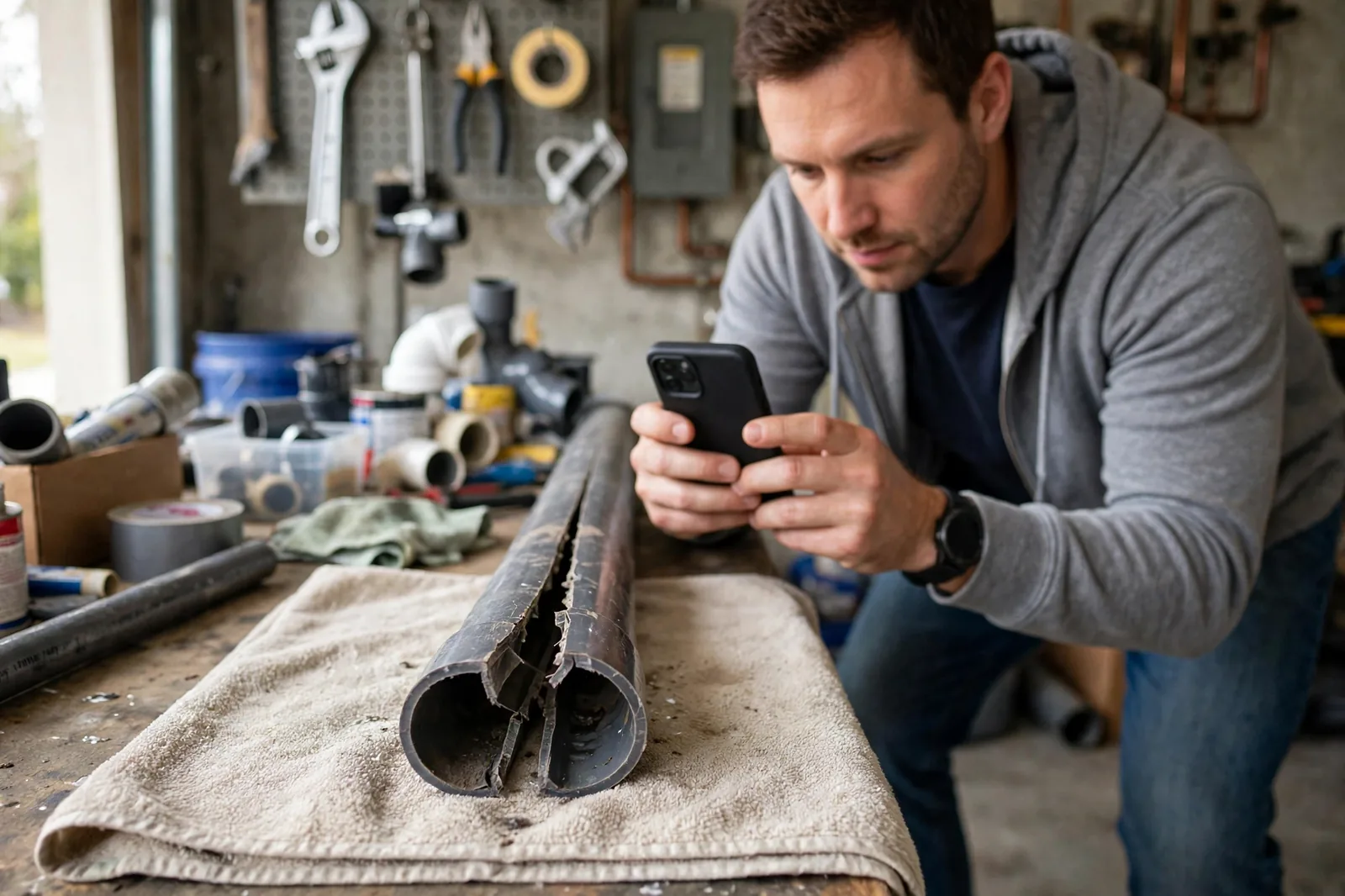
The cut-out section is the single most persuasive piece of evidence you own. It shows the split itself, the wall thickness around it and any corrosion that explains the failure. A failed fitting, a joint, elbow or connector that cracks or separates, tells the cause story at a glance in a way no written description matches. Keep the piece dry, label it with the date and the room it came from, and do not throw it away until the claim is fully closed.
Ask the pro to note the cause in writing on the invoice: freeze split, corrosion failure, fitting separation. That one line, matched with the kept section and your photos, connects cause and damage cleanly. In the higher country near burst pipe help in Arbon, where freeze claims are common, that cause line is often the difference between a quick file review and a long exchange of questions.
What If The Damaged Material Must Be Thrown Away?
Photograph each item first, in place and again as it is removed, and keep a small labelled sample of flooring, carpet or wall material where you safely can. Saturated insulation, wall or floor insulation soaked by a leak that holds moisture against framing, usually must come out for drying; photograph it in the cavity before removal. Health and drying come first — documentation is how you throw material away without throwing evidence away.
How Does Drying Documentation Support The Claim?
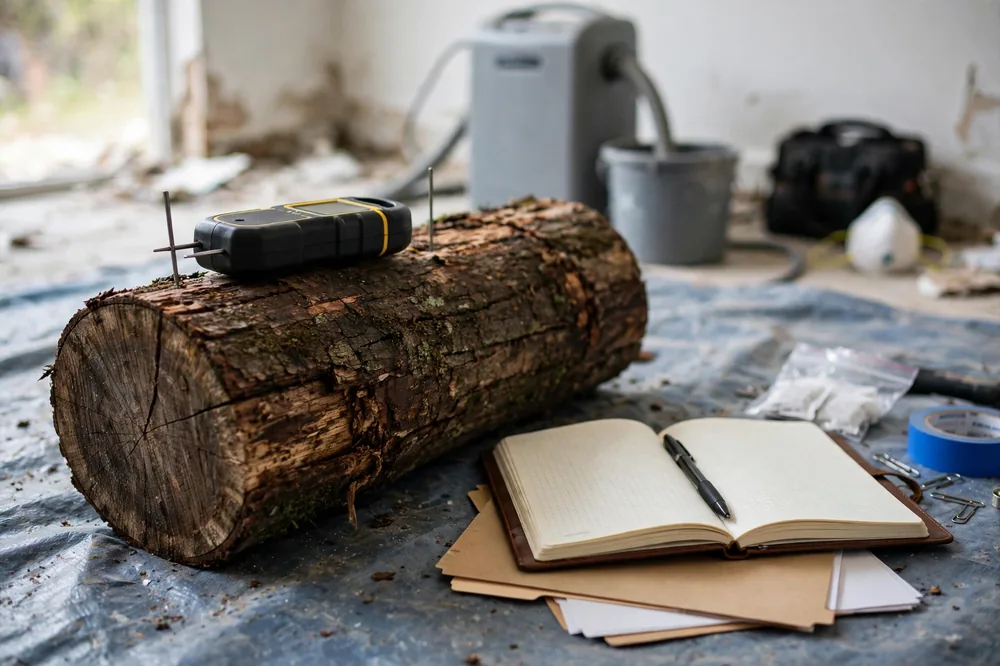
Drying produces numbers, and numbers settle arguments. A moisture meter, a handheld device that measures moisture in drywall, wood and flooring, gives readings at the start, during structural drying, the planned drying of walls, floors and framing, and at the end. A thermal imaging camera, a camera that shows temperature differences on a surface, can add images showing where the water spread. Together they prove both the extent of damage and that mitigation was done properly.
The EPA, the US Environmental Protection Agency, which publishes guidance on mold cleanup and drying wet materials, advises drying wet materials within 24 to 48 hours to limit mold growth, the fungi that can start growing on wet building materials within days. A drying log that starts inside that window shows prompt, correct action. Equipment records for an air mover, a fan that pushes air across wet surfaces, and a dehumidifier, equipment that pulls moisture from the air, complete the picture of a serious, timely response.
What Should You Send, And What Should You Keep?
Send copies — never your only originals — and keep a list of what you sent and when. Most files move well as a dated photo set, the timeline note, the pro's invoice and drying log, and the damaged-items list. If more is requested, add it in the same order. The Idaho Department Of Insurance, the Idaho state agency that regulates insurers and helps consumers with insurance questions and complaints, offers consumer guidance if a claim stalls over documentation.
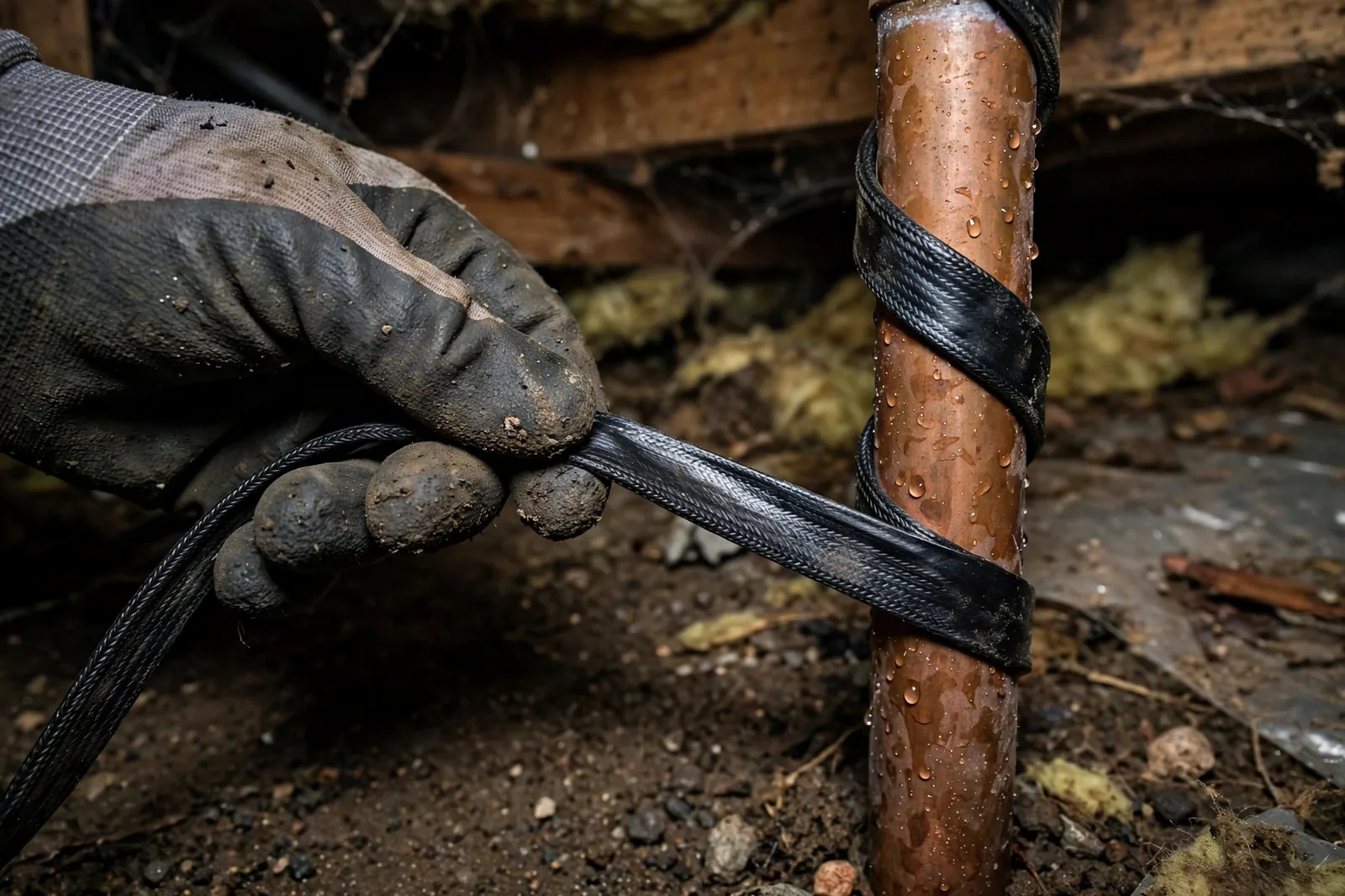
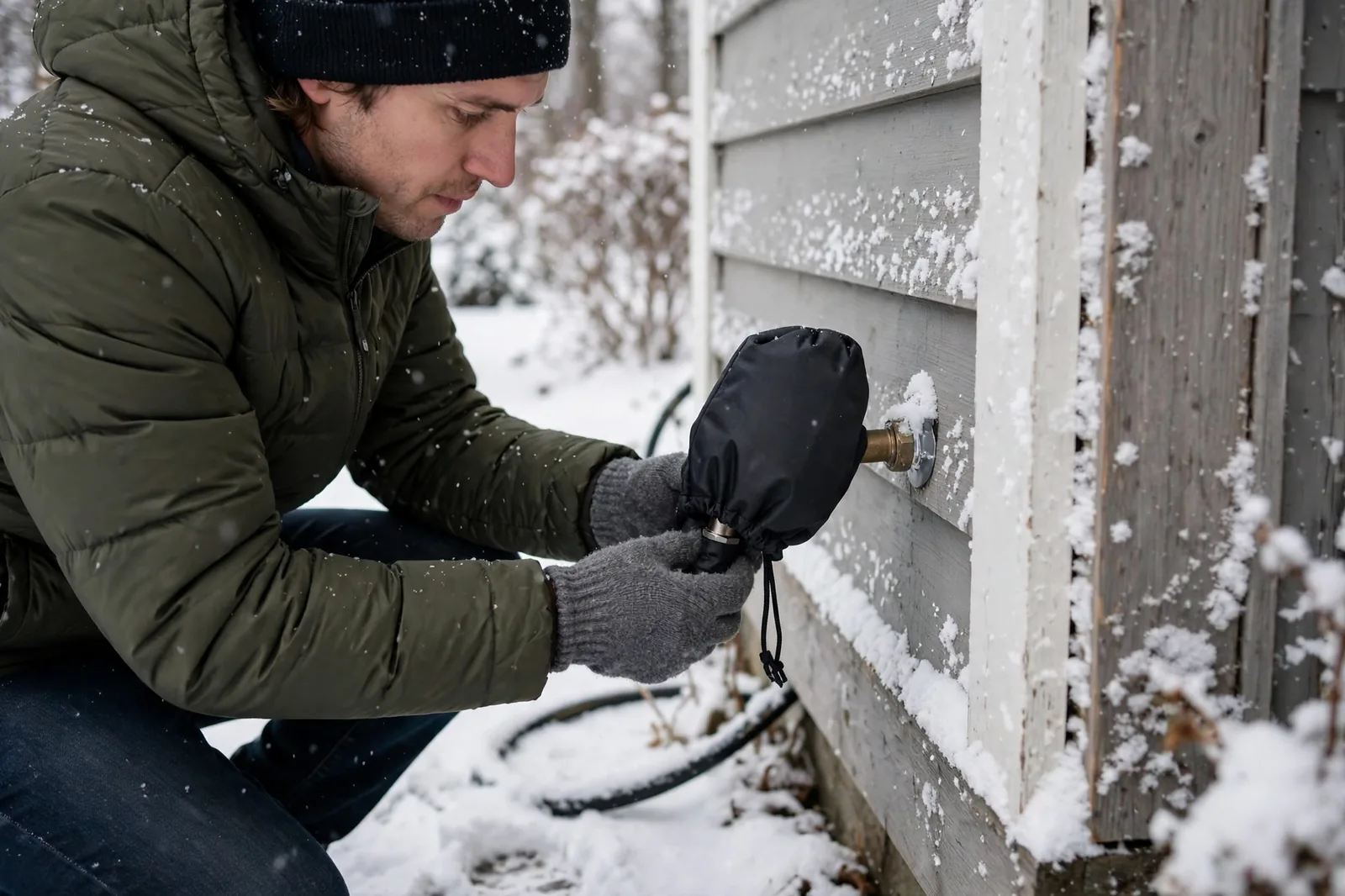
Prevention records belong in the file too. Notes on heat tape, an electric cable applied along a pipe to keep it above freezing, insulation work or winterizing steps, like those in our heat tape guide, show the home was cared for before the loss. If a burst is happening now, shut off the water and call Idaho Burst Pipe Pros on (800) 555-0100; the free service connects you with independent local pros, answered 24/7, typically arriving in 30 to 60 minutes — then start your photo file while you wait.
How Long Should You Keep The Whole File?
Keep it until the claim is closed and any repaired work is well past its first season, and longer if the home may be sold soon, since buyers and their inspectors ask about past water damage. A compact file — one folder of photos, notes, invoices and the claim correspondence — takes little room and answers future questions honestly. The kept pipe section can go once the claim is closed and settled.
Frequently Asked Questions
Straight answers, no fine print. If your question is not here, one free call gets you a local pro who can check your exact problem.
Still Have Questions? Call Free
Answered 24/7 — a local pro can arrive in 30–60 minutes.
Call Now — (800) 555-0100Photograph every affected room before cleanup: wide shots, close-ups of damage, and the broken pipe or fitting itself. Write a dated timeline covering when you found the water, stopped it, called a pro and reported the claim. Save the pro's invoice, moisture readings and drying log, plus a list of damaged items. Keep originals unedited and send copies. That combination of images, timeline and numbers is what an adjuster needs to approve a file confidently.
Photos of the source, each wet room, waterline marks, damaged belongings in place and the opened wall cavity all help. Add a slow video walk-through. For records, keep the itemised invoice, the drying log with moisture readings, receipts for emergency costs and your call log with dates and times. The split pipe section itself, kept and labelled, is powerful physical evidence. Together these turn your account of the loss into a file that documents itself.
Yes, after photographing. Policies expect you to limit further damage, and water left sitting spreads damage and invites mold within days. Photograph thoroughly, then extract water, remove soaked material that cannot dry in place and start drying. Note what was removed and keep samples where practical. An adjuster can assess a documented, drying home from your file; a home left wet for a week creates new damage that complicates everyone's job, including yours.
Use what exists and say so plainly. The pro's first-visit notes and moisture readings, a neighbour's or checker's photos, your call times, meter records and the kept pipe section all still document the loss. Photograph the current state thoroughly and write your timeline now, marking estimated times as estimates. A partial, honest file assembled today is far stronger than a perfect-sounding account assembled later. Adjusters work with imperfect files often; they struggle with invented ones.
List each item, where it was, what it was made of if you know, and roughly when you bought it. Photograph items in place before removal, and keep receipts or bank records where they exist. Group small items rather than agonizing over each one, but name furniture, electronics, flooring and appliances individually. Accuracy matters more than polish: a plain, truthful list made on the day carries more weight than a padded list made later.
Yes. Readings turn 'the wall felt wet' into measured fact: how wet, how far the water spread and when the material returned to dry. That supports both the scope of damage claimed and the drying charges billed. Ask the pro to record readings at the first visit and at the end of drying, and keep that log with your photos. Files with numbers move faster because the adjuster does not have to guess at extent.
Yes. Ask for the cause in plain words on the invoice or visit report: freeze split, corrosion failure, fitting separation, or whatever the pro actually found. Cause and damage must connect for a claim to make sense, and the pro's written cause, matched with your photos and the kept pipe section, makes that connection cleanly. If the pro is unsure, an honest 'under investigation' is better than a guess; further findings can be added later.
Yes. Screenshots of your call to the pro, messages with a house checker and the claim-reporting confirmation all help establish your timeline. Save them with the dates visible and add them to the same folder as your photos and invoices. What matters is that the record was made at the time and shows when things happened. A simple screenshot saved today is worth more than a detailed summary typed from memory next month.
Records of care: winterizing steps taken, thermostat settings, who checked the home and when, and the checker's dated photos from the visit when damage was found. These show the loss was sudden despite reasonable preparation, which is the key question for an empty-home claim. Report as soon as you are told, and have the checker write a short note of what they found and switched off. That note, made on the day, anchors the whole file.
Idaho Burst Pipe Pros connects you with independent local pros on (800) 555-0100, answered 24/7, with arrivals typically in 30 to 60 minutes. Ask the pro at the first visit for itemised notes, moisture readings and a drying log, and say you are documenting for a claim; good pros produce this routinely. For claim-process questions, the state insurance department offers consumer guidance. Keep your own photo file from the first hour regardless of who else documents.
Reviewed By Hamza
Lead Water Damage Restoration & Structural Drying Specialist
Hamza is an emergency water restoration specialist with deep expertise in burst pipe mitigation, freeze damage remediation, and industrial structural drying across freezing northern climates. He focuses on rapid moisture extraction, thermal imaging diagnostics, and comprehensive subfloor restoration to protect homes from mold and structural deterioration.
Updated October 27, 2026
Need Burst Pipe Help In Idaho?
One free call connects you with a local pro — answered 24/7, and a pro can arrive in 30–60 minutes.
Call Now — (800) 555-0100Free Call · Answered 24/7 · Local Pros Near You