Wet Drywall, Floors And Insulation: What Drives Cleanup Cost?
Free Call · Answered 24/7 · Local Pros Near You
In This Guide
- Why Do Drywall, Flooring And Insulation Change The Cost After A Burst?
- Which Materials Can Be Dried, And Which Must Come Out?
- How Does Wet Drywall Drive The Work?
- How Do Different Floors Change The Picture?
- Why Is Insulation Such A Cost Driver?
- What Other Factors Raise Or Lower Cleanup Cost?
- How Do You Keep Material Costs Down After A Burst?
Quick Answer
The pipe repair is often the smaller part of a burst; the materials the water reached drive the rest. Porous materials like drywall, insulation and carpet padding soak water deep, hold it against framing and often must come out. Dense materials like tile, concrete and solid wood can often be dried in place. How far water spread, and how long it sat, decides how much of each you face.
Why Do Drywall, Flooring And Insulation Change The Cost After A Burst?
Cleanup work is priced by effort and materials, and both depend on what got wet. Water extraction, removing standing water with pumps and vacuums, is straightforward on a hard floor. It is slower and more involved when water has soaked into walls, under flooring and into insulation, because each layer must be opened, dried or removed in sequence.
Two bursts can release similar water and end very differently. One lands on tile in a basement, the lowest level of a home, and dries in days. The other runs inside an exterior wall, an outside-facing wall, filling the cavity and wicking up drywall in two rooms. The difference is not the pipe; it is the materials in water's path.
Why Does Water Volume Alone Not Predict Cost?
A large spray onto tile that is mopped in an hour can cost less to clean than a small, slow leak inside a wall that runs all weekend. The hidden leak wets insulation, framing and drywall from inside, where nothing can be wiped. That is why pros assess materials and time first, and treat the dramatic burst and the quiet leak with equal seriousness.
Which Materials Can Be Dried, And Which Must Come Out?
Drying works on materials that let moisture escape and keep their strength while wet: solid wood framing, concrete, many tile and stone finishes, and some solid hardwood caught early. Structural drying, the planned drying of walls, floors and framing, uses an air mover, a fan that pushes air across wet surfaces, and a dehumidifier, equipment that pulls moisture from the air, to bring these back to normal readings.
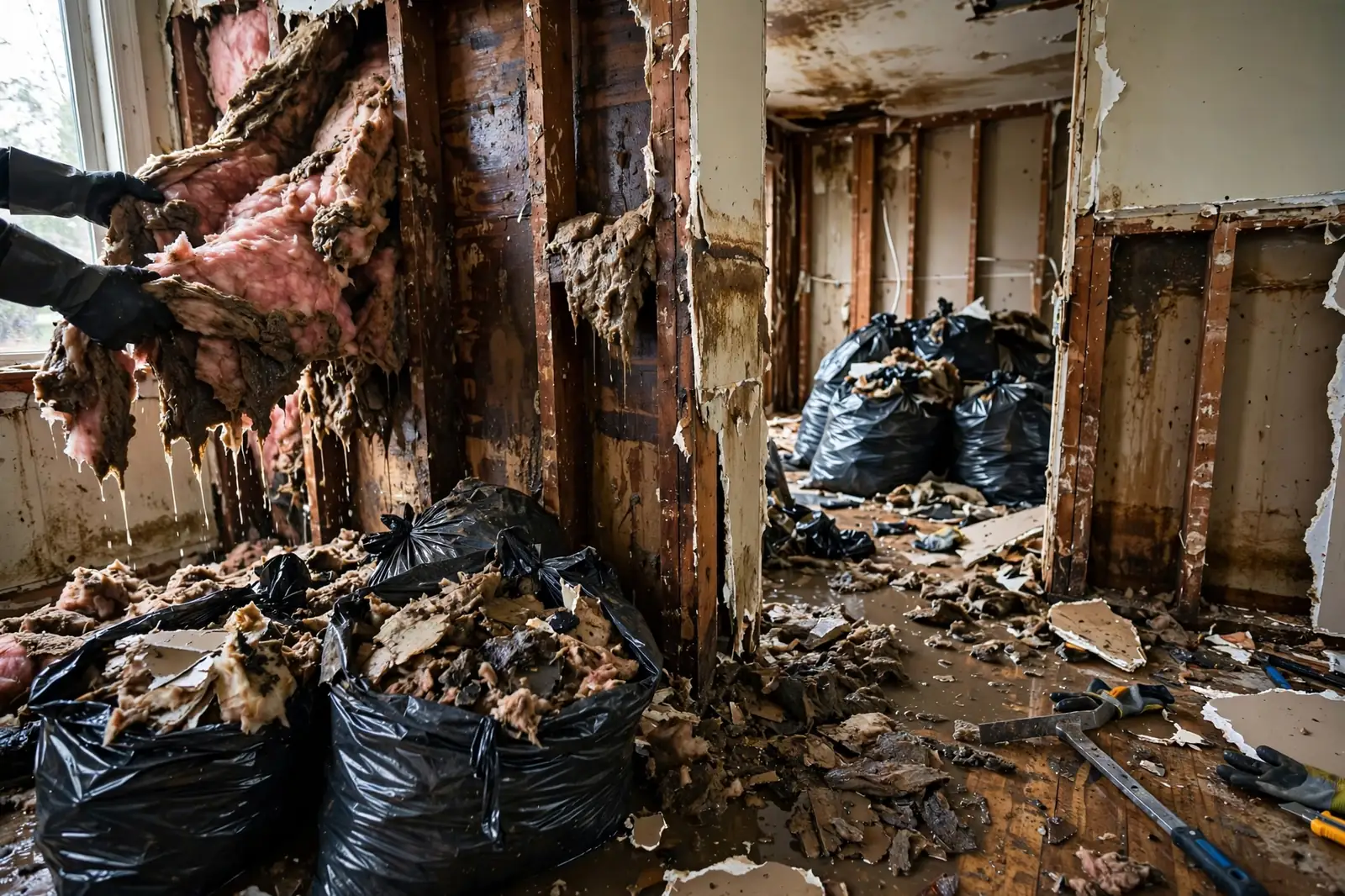
Removal is for materials that trap water or fall apart. Saturated insulation, wall or floor insulation soaked by a leak, carpet padding, swollen pressed board and crumbled drywall cannot be dried reliably in place. Keeping them risks mold growth, fungi that can start on wet materials within days, and hidden rot, so they come out and are replaced after the structure dries.
Pipe Frozen Or Burst Right Now? One Free Call Connects You With A Local Pro.
Call NowHow Does Wet Drywall Drive The Work?
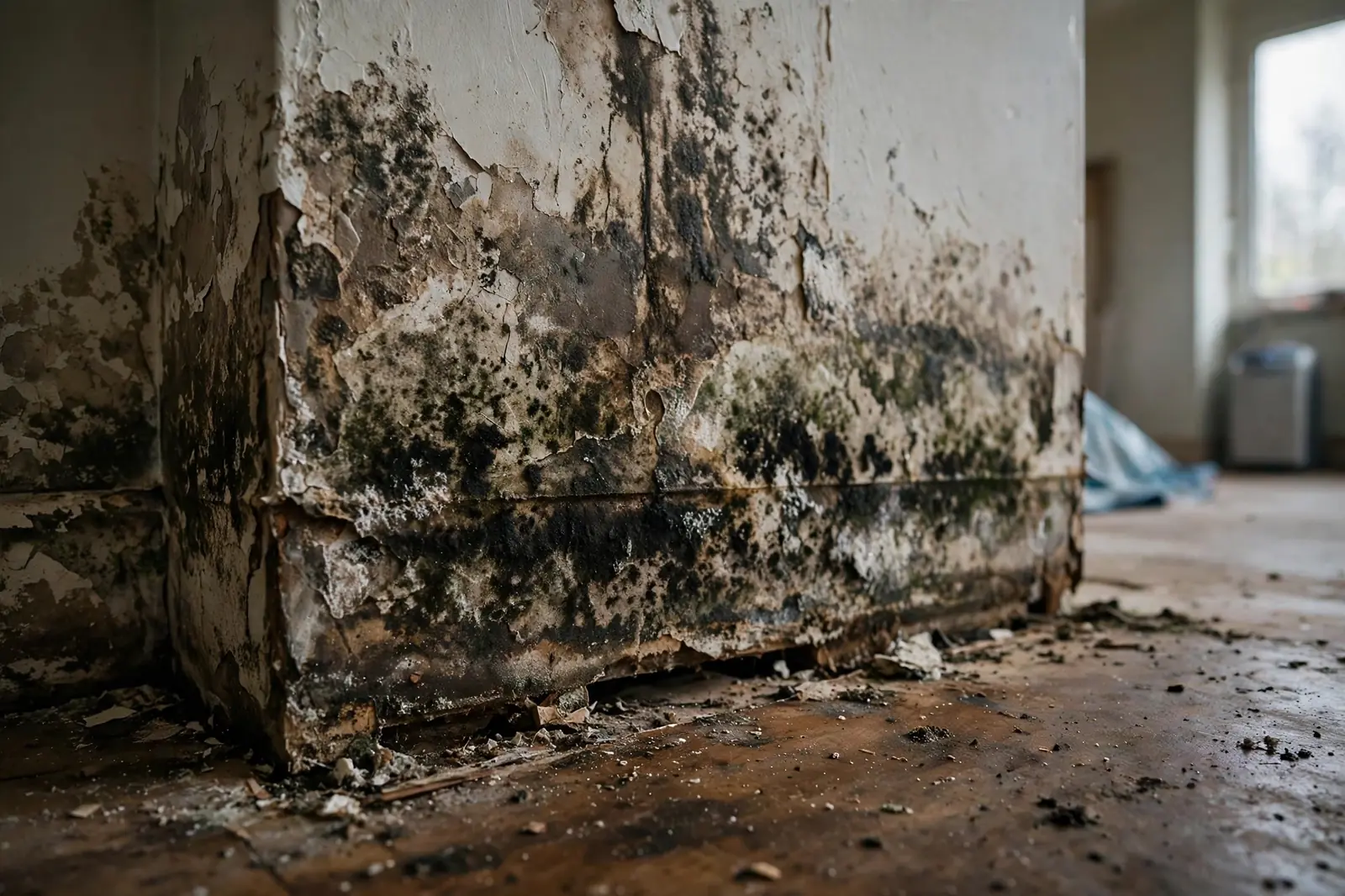
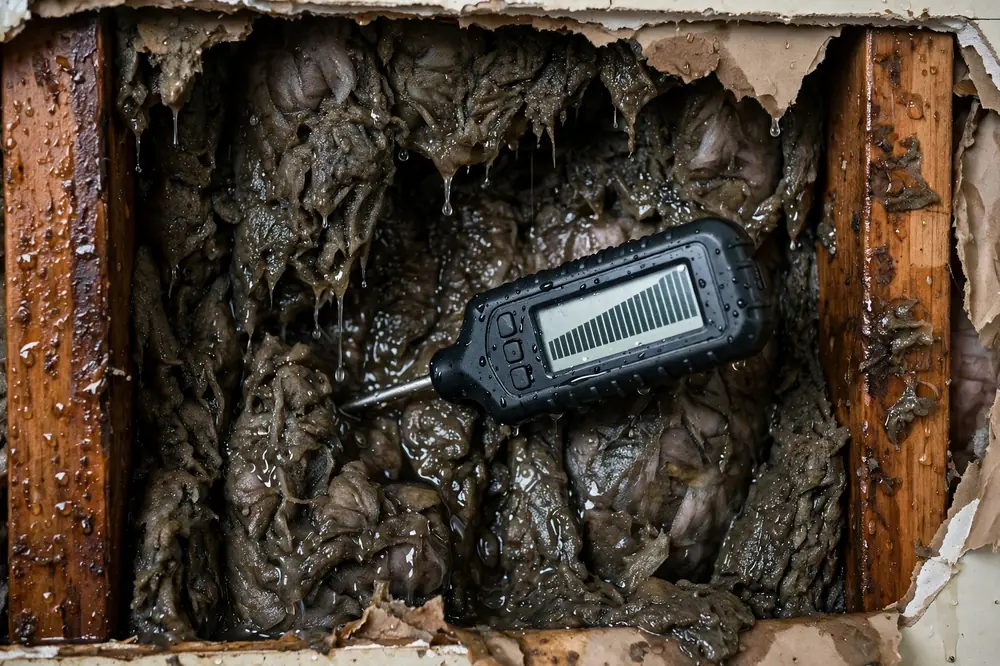
Drywall is gypsum faced with paper, and both drink water. A wall that took water at its base wicks moisture upward well above the visible line, and the paper face feeds mold if it stays damp. Paint can also hide the true wet area, which is why a moisture meter, a handheld device that measures moisture in drywall and wood, is run in a grid before any cut line is chosen.
Soft, bulging or crumbling drywall comes out. Firm drywall that only got briefly damp can sometimes dry in place with airflow into the cavity. The call is made on readings and condition, room by room. In homes near burst pipe help in Weiser, that survey is what turns a vague worry about walls into a specific, costed plan.
Can Only Part Of A Wall Be Removed?
Yes. Where water wicked only a short way up, a pro may cut the drywall at a clean line above the wet area, remove that lower band and the wet insulation behind it, dry the cavity and patch the band afterwards. Meter readings set the cut height. Partial removal keeps sound upper walls intact and focuses disposal and rebuilding where the water actually reached.
How Do Different Floors Change The Picture?
Floors decide how far water travels unseen. Water runs under floating laminate and vinyl plank through the seams, soaking the underlay and subfloor across a whole room from one leak point. Carpet holds water in its padding long after the surface feels dry. Tile can protect the surface while grout lines still let water reach the base below.
Each build-up has its own outcome. Swollen laminate and padding usually come out; solid wood may dry if caught fast; the subfloor beneath any of them must reach dry readings before new flooring goes down. Standing water, pooled water left sitting on a floor, deepens all of this by the hour, which is why early extraction matters more than any later treatment.
Why Is Insulation Such A Cost Driver?
Insulation is built to trap air, and it traps water the same way. Fibreglass batts and blown material in a wall cavity soak up leak water, hold it against studs and the back of the drywall, and block the airflow that drying depends on. A wall with wet insulation can stay damp inside long after its surface feels dry.
Removing it means opening the wall, disposing of the wet material, drying the cavity, then insulating and patching once readings are normal. In an attic, the space above the ceiling, wet insulation spreads the problem across the ceiling below it. None of this is visible from the room, which is why insulation is so often the hidden line in a cleanup estimate.
What About Insulation In Floors And Ceilings?
The same logic applies overhead and underfoot. Wet attic insulation mats down, loses value and holds moisture against the ceiling below, staining and softening it. Under-floor insulation in a crawl space can sag and stay wet against the subfloor. Wherever insulation sits, a burst that reaches it usually means some removal, drying of the surrounding structure, and fresh insulation once readings are dry.
What Other Factors Raise Or Lower Cleanup Cost?
Time is the biggest factor after materials. Water found in minutes wets surfaces; water that runs for a weekend wets structures. Depth matters too: a shallow spread across one room is different work from water that filled a crawl space, the shallow space under a home, and wicked into every wall it touched.
Access and scope follow. One room with an open wall dries faster than three rooms with built-in cabinets and layered floors. Contamination changes handling as well, because water that passed through walls, soil or a drain is treated more carefully than clean supply water. A careful survey sets out how these factors combine before any figure is discussed.
Finishes add another layer to the survey, because painted drywall, wallpaper and sealed flooring can look sound while holding moisture behind them. A pro checks behind those finishes with meter readings at several heights rather than trusting the surface, and photographs the readings so removal decisions can be explained clearly.
How Do You Keep Material Costs Down After A Burst?
Speed and documentation are your two levers. Close the main water shutoff valve, the main valve that stops all water entering the home, move belongings out of the water, take dated photos, and get extraction and drying started the same day. EPA guidance stresses drying wet materials within 24 to 48 hours to limit mold, and every hour saved keeps more material in the dryable column.
For homeowners around burst pipe help in Ucon and burst pipe help in Wilder, Idaho Burst Pipe Pros offers one free call on (800) 555-0100, answered 24/7, connecting you with an independent local pro who typically arrives in 30–60 minutes. The earlier that visit happens, the more of your walls and floors stay yours.
Should You Start Drying Before A Pro Arrives?
Yes, with safe, simple steps: mop and bucket standing water, move dry belongings out, and run household fans toward wet surfaces if power is safe. Do not tear out walls or flooring yourself before the damage is documented, and do not seal wet areas under plastic. Early surface drying helps; early demolition without photos and readings can hurt both drying and records.
Frequently Asked Questions
Straight answers, no fine print. If your question is not here, one free call gets you a local pro who can check your exact problem.
Still Have Questions? Call Free
Answered 24/7 — a local pro can arrive in 30–60 minutes.
Call Now — (800) 555-0100Yes, because each material is handled differently. Drywall and insulation are porous, hold water deep inside and often must come out so the cavity can dry. Solid wood and tile can often be dried in place with the right airflow and time. The mix of materials a leak reaches is one of the main reasons two bursts with the same water volume end with very different cleanup work.
Materials that can often be dried include solid wood framing, many tile and stone surfaces, concrete, and some hardwood flooring caught early. Materials that usually come out include soaked insulation, crumbled or swollen drywall below the water line, wet carpet padding, and pressed-board products that swell and lose strength. A moisture meter reading, not appearance alone, should guide each decision.
Insulation soaks up water like a sponge and holds it against studs and drywall for days, which keeps the whole wall wet and invites mold growth. It also loses its insulating value once soaked and rarely dries evenly inside a closed wall. Removing the wet section lets the cavity dry fully and lets new, dry insulation restore the wall's performance afterwards.
It depends on the floor and how long water sat. Solid hardwood caught within hours may dry and settle, while boards left wet can cup, crown or separate. Laminate and pressed-board floors swell at the seams and usually cannot be saved once swollen. Tile over a sound base often dries. Time, water depth and what lies under the floor all shape the outcome.
Delay lets water spread further into porous materials, lets mold start growing, and turns saveable drywall and flooring into removal work. Each day also wets more of the structure, so drying takes longer and more material comes out. Prompt extraction and drying are the strongest levers a homeowner controls, which is why delayed drying raises costs and mold risk in almost every case.
A pro uses a moisture meter on walls, floors and framing, compares readings with a dry area of the same material, and rechecks as drying runs. Materials are ready when readings return to the dry reference range and stay there. Guessing by touch misses moisture deep in insulation and under flooring, which is why meter records are kept through the job.
Often yes, in a limited form. Pros commonly cut drywall at a set height above the visible water line, remove the wet lower section and soaked insulation, dry the open cavity, then patch. This flood cut avoids removing whole walls when water only wicked a short distance upward. How high the cut goes depends on meter readings showing where the moisture stopped.
Some of it can, once it is washed, dried and checked, but porous items like upholstered furniture, mattresses and soft toys are hard to clean fully if they sat in water, especially water that ran through walls. Non-porous items clean more easily. When in doubt, photograph items for your records before deciding, and ask the drying crew what can be salvaged safely.
The main factors are how much material got wet, which types, how deep water penetrated, how long it sat, whether insulation and wall cavities are involved, and how much must be removed, dried, disposed of and rebuilt. Access and the number of rooms affected matter too. That is why honest estimates follow a moisture survey, as what affects burst pipe repair cost explains.
Call promptly if water has reached insulation, flooring seams are lifting, drywall feels soft, or a musty smell appears. Also call if water sat overnight before discovery. One free call to Idaho Burst Pipe Pros on (800) 555-0100 connects you with an independent local pro who typically arrives in 30–60 minutes, with calls answered 24/7, so drying starts while materials can still be saved.
Reviewed By Hamza
Lead Water Damage Restoration & Structural Drying Specialist
Hamza is an emergency water restoration specialist with deep expertise in burst pipe mitigation, freeze damage remediation, and industrial structural drying across freezing northern climates. He focuses on rapid moisture extraction, thermal imaging diagnostics, and comprehensive subfloor restoration to protect homes from mold and structural deterioration.
Updated October 27, 2026
Need Burst Pipe Help In Idaho?
One free call connects you with a local pro — answered 24/7, and a pro can arrive in 30–60 minutes.
Call Now — (800) 555-0100Free Call · Answered 24/7 · Local Pros Near You