Can Poor Installation Make A Pipe Burst Years Later?
Free Call · Answered 24/7 · Local Pros Near You
In This Guide
- Can A Bad Fitting Cause A Pipe To Burst Years Later?
- Why Do Joints Fail First In A Burst?
- What Installation Mistakes Cause The Most Failures?
- What Signs Show A Fitting Is Failing Slowly?
- What Other Stresses Turn A Weak Joint Into A Burst?
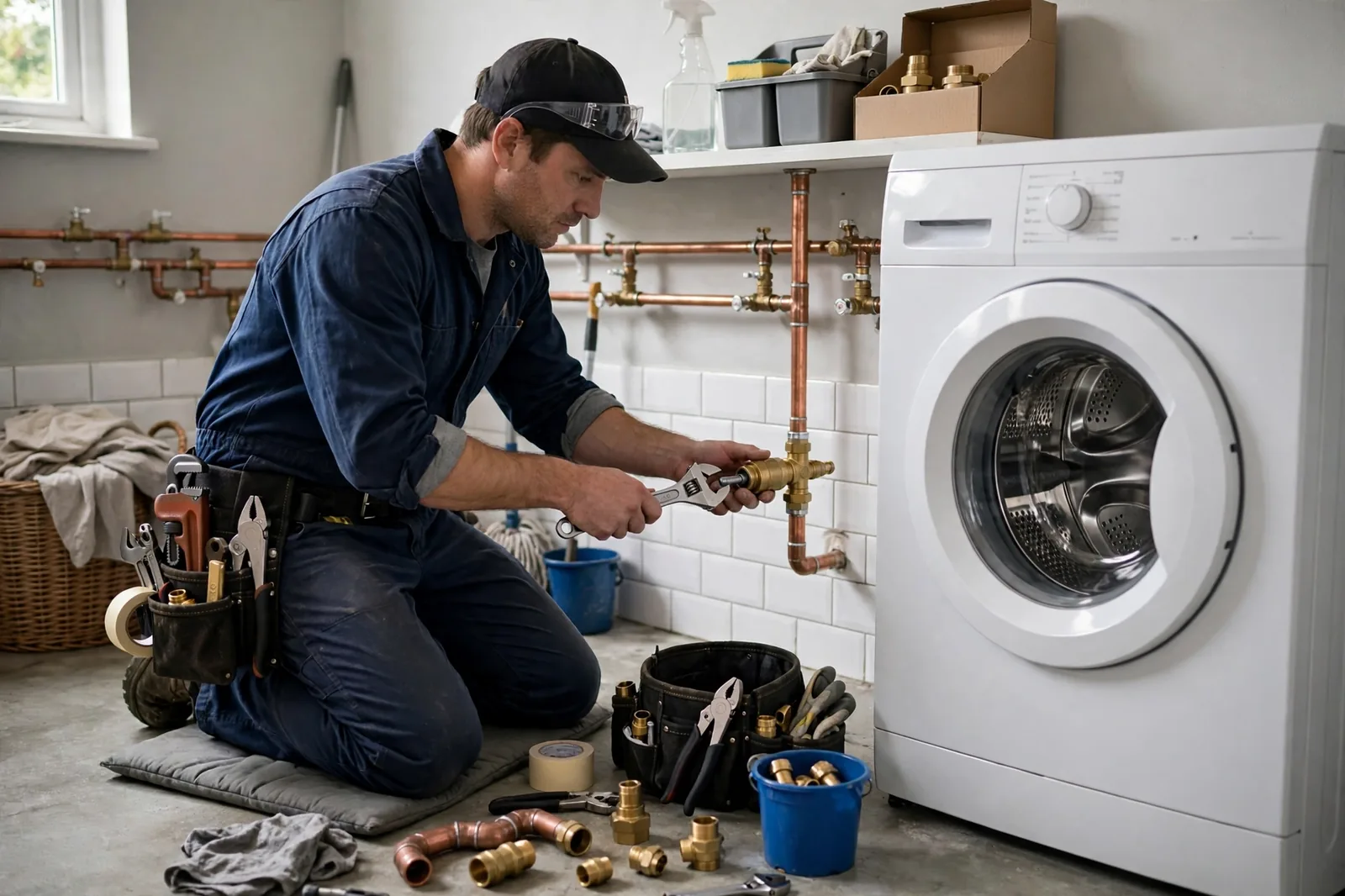
- How Do Pros Find And Fix A Failed Fitting?
- How Do You Avoid Poor Joints In New Work?
Quick Answer
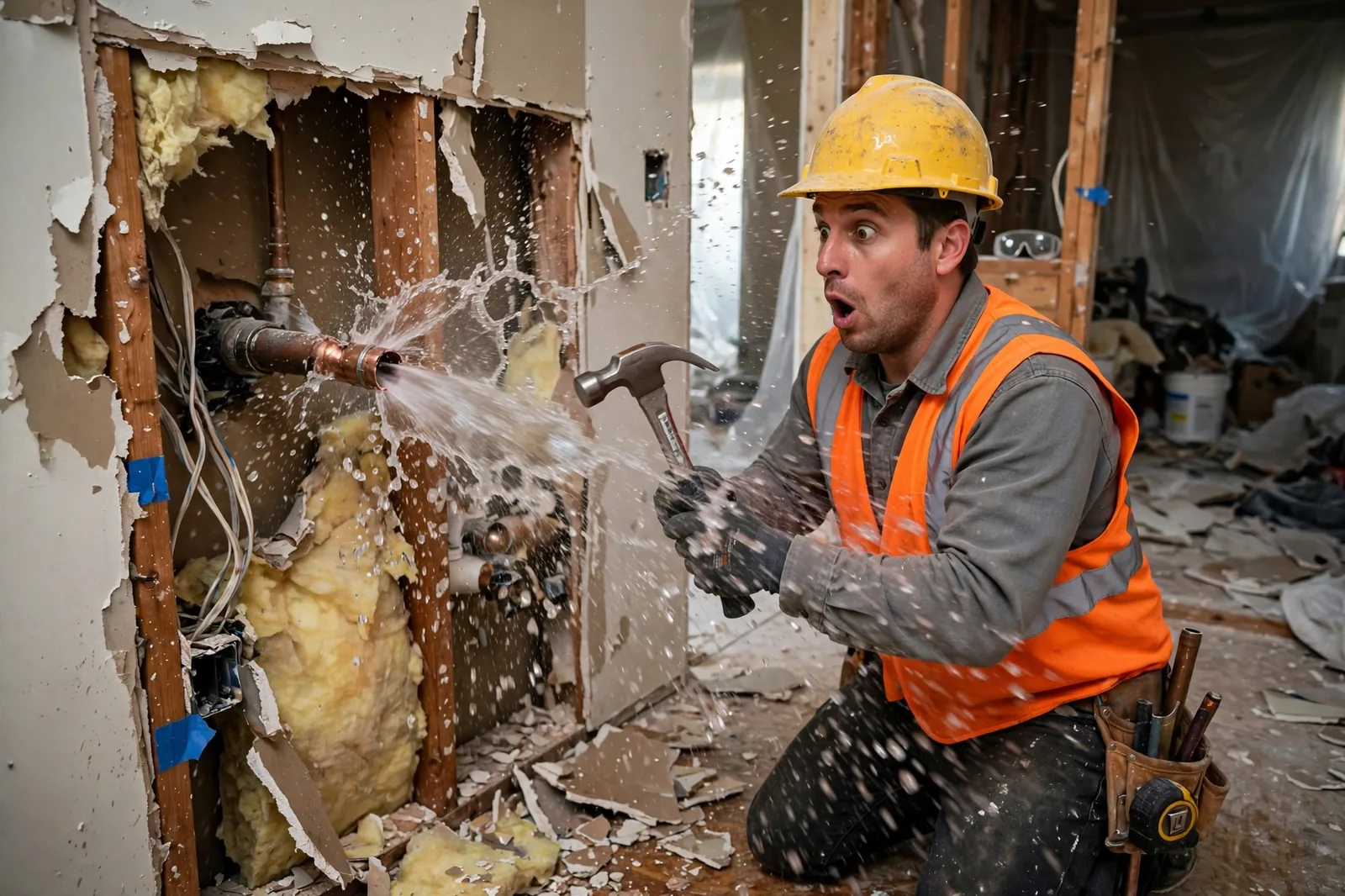
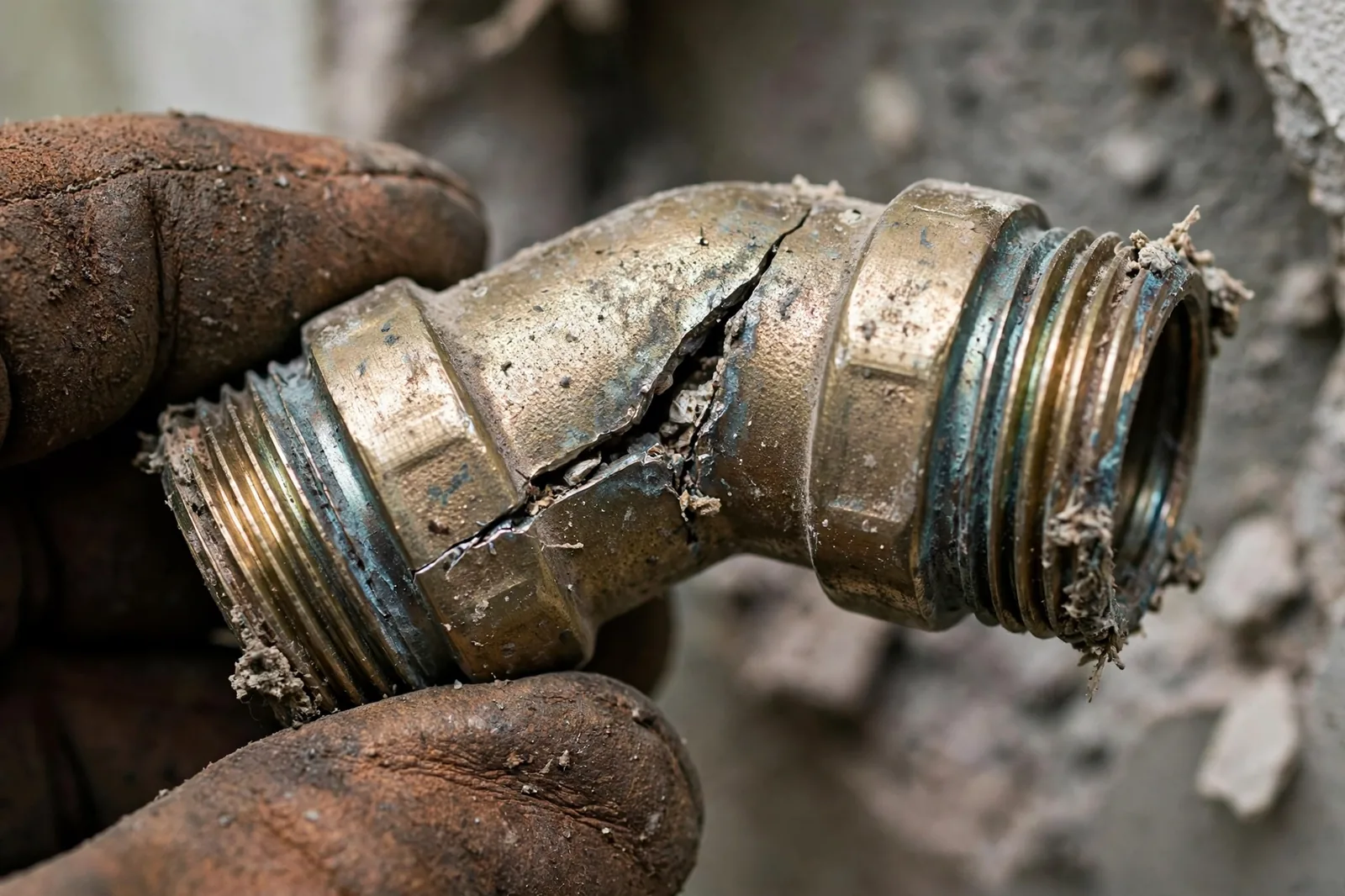
Yes. A joint that was glued thinly, crimped unevenly, cross-threaded or left unsupported can hold pressure for years while slowly weakening. Each freeze, pressure surge and vibration works on that weak point until the fitting cracks or separates, often before the straight pipe around it fails. That is why so many bursts start at an elbow, tee or valve rather than mid-run.
Can A Bad Fitting Cause A Pipe To Burst Years Later?
Yes. A fitting, the connector that joins two pipe sections or changes direction, is only as sound as the work that made the joint. Too little solvent cement on plastic, an uneven crimp on PEX pipe, a flexible plastic pipe, solder that did not flow fully on copper pipe, a metal pipe common in Idaho homes, or threads cut slightly crooked all leave a hidden flaw.
The joint can pass a quick check and serve for years because everyday pressure stays below its reduced strength. A failed fitting rarely starts as an open split. It begins as a weakness waiting for one harder stress: a deep freeze, a pressure surge, or a season of vibration that finally opens the flaw.
Why Does The Failure Take So Long?
Materials age slowly, and a marginal joint often seals well enough while it is new and clean. Over years, mineral scale, heat cycles and tiny movements change the fit. Pipe corrosion, the gradual wearing away of the pipe wall, can thin the pipe where it enters the fitting, so a joint that was adequate at install becomes the weakest point in the line.
Why Do Joints Fail First In A Burst?
A straight pipe wall is one smooth, even surface. A joint interrupts it. Threads cut into the wall and thin it, glue lines depend on full coverage, and seals depend on even compression. Direction changes also catch the force of moving water, so elbows and tees take more stress than the run between them.
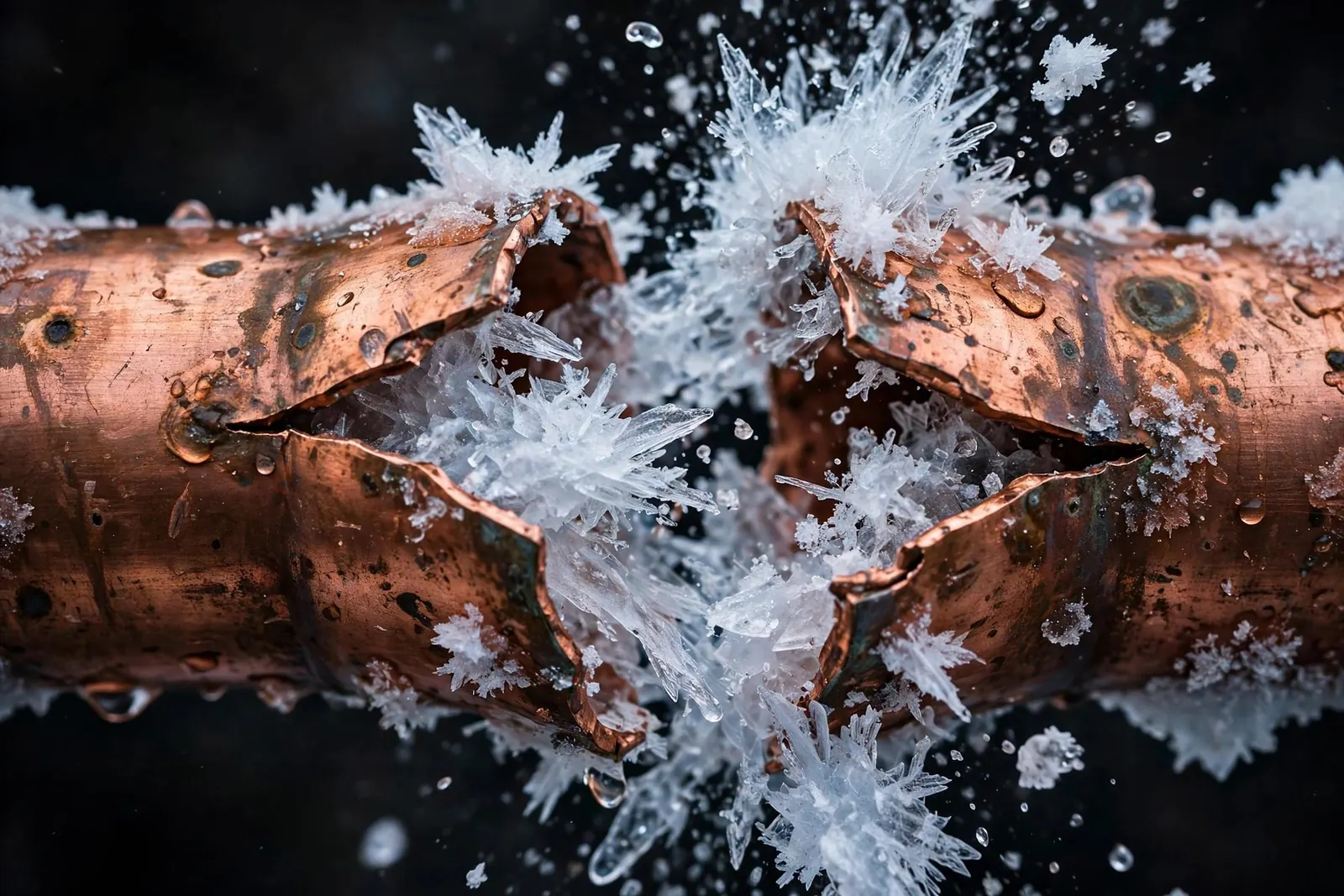
Freezing makes this sharper. Ice expansion pressure, the force of water expanding as it freezes in a closed line, searches for the weakest point nearby. That point is often a brittle CPVC pipe joint, a rigid plastic joint that turns brittle with cold and age, or a brass fitting, a corrosion-resistant metal connector, joined to pipe that expands at a different rate.
That is also why a burst rarely splits the middle of a sound run first. The run and the joint face the same pressure, but only one of them carries threads, seals, glue lines or crimps, and pressure always tests the detail work hardest.
Pipe Frozen Or Burst Right Now? One Free Call Connects You With A Local Pro.
Call NowWhat Installation Mistakes Cause The Most Failures?
Common mistakes include joints made on pipe ends that were not cut square or cleaned, fittings forced together at a slight angle, and connections tightened far past snug, which can crack plastic or distort a seal. Another is skipping the pressure test, filling the line at a set pressure and watching for a drop, so a slow weep gets buried inside a wall unnoticed.
Repairs done in a hurry can repeat the pattern. A pipe repair clamp, a metal band tightened over a damaged section, or epoxy putty, a hand-mixed sealing compound, can slow a leak for a short time, but neither turns a bad joint into a sound one. Reading about accidental pipe damage during renovation or digging shows a similar lesson: hidden shortcuts surface later.
How Does Poor Support Hurt A Joint?
An unsupported line sags, and its weight hangs on the nearest joints. Filling, draining and vibration move the pipe slightly, working the joint back and forth like a loose tooth. Strapping the run at sensible intervals, and supporting heavy valves, takes that load off the connections so the seals only have to hold pressure, not carry the pipe.
What Signs Show A Fitting Is Failing Slowly?
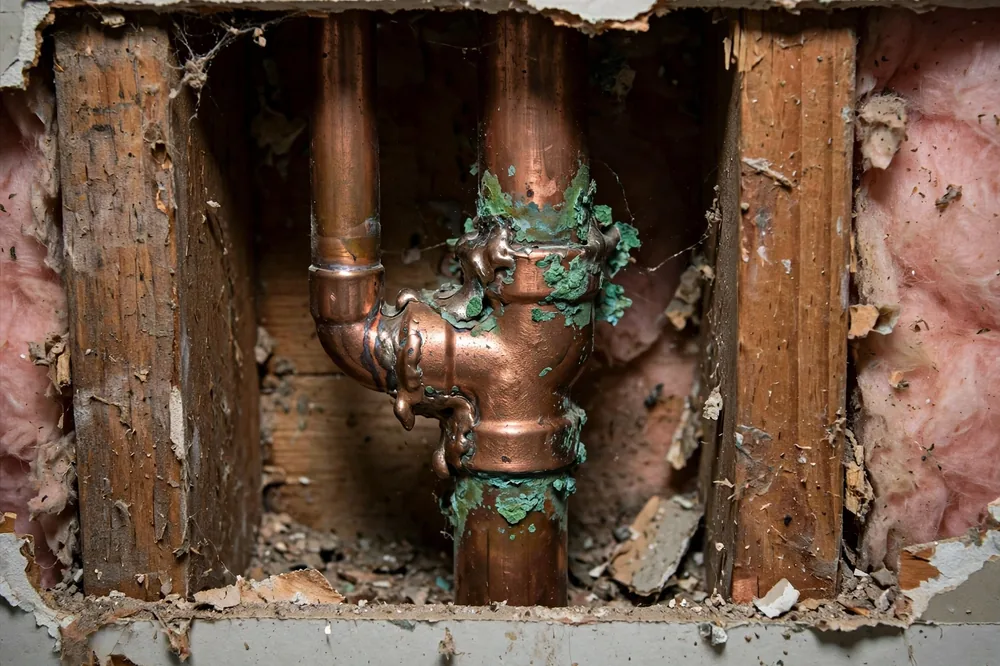
Look for a green or white crust on copper joints, a damp ring that never fully dries, bubbling paint near a joint, or a musty smell in a kitchen sink cabinet, the cabinet under a sink that often sits on an exterior wall. A fitting can weep only under pressure, so it may look dry in the morning and damp after showers or laundry.
Your water meter, the utility meter that records water use, helps confirm a hidden weep. With every tap off, a moving dial means water is leaving somewhere. In northern towns, burst pipe help in Coeur d'Alene often begins with exactly these slow signs, months before the joint finally lets go in a hard freeze.
Keep a note of when damp appears and what the household was doing at the time. A joint that only weeps during long showers, laundry runs or yard watering cycles is telling you it leaks under sustained pressure, which helps a pro reproduce the problem quickly during a visit.
What Other Stresses Turn A Weak Joint Into A Burst?
Water hammer, a pressure shock wave and banging sound when flowing water stops suddenly, pounds joints every time a fast valve closes. High water pressure, supply pressure above what home plumbing is designed for, holds every seal under constant extra strain. Either one can be managed, but left alone they shorten the life of a marginal fitting.
Owners who hear banging should read how water hammer raises burst pipe risk before the noise becomes a leak. In a crawl space, the shallow space under a home, an unsupported line also swings slightly with each surge, and that repeated movement works a crimp or thread loose over the years.
Does Age Alone Explain A Failed Joint?
Age plays a part, especially in galvanized steel pipe, an older zinc-coated steel pipe that corrodes from inside and narrows over time. Its threaded joints rust and thin together, so an old joint can fail from corrosion alone. With newer materials, age usually matters most when it combines with a fitting that was marginal from the start or stressed for years.
How Do Pros Find And Fix A Failed Fitting?
A pro dries the area, restores pressure in a controlled way and watches each joint in the run. Acoustic leak detection, listening equipment used to hear water escaping inside a wall, and a thermal imaging camera, a camera that shows temperature differences on a surface, can locate a hidden weep without opening the whole wall. A moisture meter, a handheld device that measures moisture in drywall and wood, maps how far the leak spread.
The permanent fix is to cut out the fitting and any damaged pipe ends with a pipe cutter, a tool that cuts a clean section of pipe, then join new pipe and fittings by the correct method for that material. In outlying areas such as burst pipe help in Cocolalla, the same visit usually includes checking neighbouring joints from the same era, because they share the same risks.
How Do You Avoid Poor Joints In New Work?
Choose fittings rated for the pipe material and for hot or cold use, and use proper transition fittings where materials change. Support the run so joints carry pressure, not weight. Keep pipes out of an exterior wall, an outside-facing wall closest to outdoor cold, where routing allows, and protect any line that must stay there with a pipe insulation sleeve, foam tubing slipped over a pipe.
If you inherit older work, have reachable joints checked during other plumbing visits, especially in an attic, the space above the ceiling, and under the home. Homeowners near burst pipe help in Downey can use one free call to Idaho Burst Pipe Pros on (800) 555-0100 to connect with an independent local pro; calls are answered 24/7. Catching one crusty, weeping joint early is a small repair compared with a burst.
What Should Happen Before Walls Are Closed?
Every new or repaired line should be pressure tested with the joints still visible, and any weeping joint remade, not wiped and watched. Ask for photos of hidden work before drywall goes up. Those two simple steps catch most poor joints while they are still cheap to fix, instead of years later when they are wet, hidden and urgent.
Frequently Asked Questions
Straight answers, no fine print. If your question is not here, one free call gets you a local pro who can check your exact problem.
Still Have Questions? Call Free
Answered 24/7 — a local pro can arrive in 30–60 minutes.
Call Now — (800) 555-0100Yes. A joint that was under-tightened, over-tightened, glued with too little cement or set at a slight angle can hold for years while carrying a hidden weakness. Heat, cold, pressure cycles and vibration work on that weakness until the joint cracks or pulls apart. The failure looks sudden, but the cause was built in on the day the joint was made.
Joints fail first because they interrupt the smooth pipe wall. A fitting changes direction, joins two materials or holds a seal, so pressure, movement and temperature stress gather there. Threads, glue lines and crimp rings also depend on the installer's work, unlike a factory pipe wall. When pressure climbs during a freeze or surge, the joint is often the weakest point.
Yes. Copper, PEX and plastic expand and contract at different rates, and some joined metals also react with each other over time. A connector that suits one material may loosen, corrode or crack the other. A pro checks that every fitting is rated for both sides of the joint and for hot or cold use before trusting it in a wall.
Green or white crust at a copper joint, rust staining, a dark damp ring, and a musty smell near a cabinet or wall are all early warnings. A joint that weeps may seal itself with mineral crust for a while, which hides the problem while corrosion continues. Any fitting that stays damp between uses deserves a prompt check.
Sometimes, but only when the fitting is reachable, the water is fully off and you are confident matching the material and size. Inside walls, at main lines, or where corrosion has spread into the pipe, call a pro. A poor second repair can leak worse than the first. Idaho Burst Pipe Pros can connect you with a local pro through one free call.
A pro cuts out the failed fitting and usually a short section of pipe on each side, because nearby wall or threads often share the damage. New fittings are fitted, joined by the correct method for the material, and the line is pressure tested before the wall closes. If several joints from the same era are failing, the pro may advise replacing the whole run.
Often yes. Work done in the same era, by the same hand and with the same materials tends to age together. If one elbow cracks from a poor glue joint, similar elbows nearby deserve inspection, especially in the same wall or ceiling run. A pro can pressure test the line and check reachable joints during the same visit, which is cheaper than a second leak.
Ask what material and fitting type will be used, whether mixed materials need a transition fitting, how the joint will be supported, and whether the finished line will be pressure tested before walls close. Ask for photos of hidden joints before they are covered. Clear answers before work starts are the simplest guard against a joint that fails years later.
Yes. Repeated banging is a pressure shock wave moving through the line, and every shock lands hardest on elbows, tees and valve connections. Over months and years that pounding can loosen seals and fatigue a marginal joint until it weeps or separates. Fixing the hammer with pressure control or arrestors protects the joints as well as quieting the noise.
Call promptly if a joint is spraying, the wall around it is wet, or you cannot reach a shutoff that stops the leak. Also call if the same joint has wept before. Through the emergency burst pipe help page for Idaho you can see the urgent steps; one free call to (800) 555-0100 connects you with an independent local pro, typically in 30–60 minutes.
Reviewed By Hamza
Lead Water Damage Restoration & Structural Drying Specialist
Hamza is an emergency water restoration specialist with deep expertise in burst pipe mitigation, freeze damage remediation, and industrial structural drying across freezing northern climates. He focuses on rapid moisture extraction, thermal imaging diagnostics, and comprehensive subfloor restoration to protect homes from mold and structural deterioration.
Updated October 27, 2026
Need Burst Pipe Help In Idaho?
One free call connects you with a local pro — answered 24/7, and a pro can arrive in 30–60 minutes.
Call Now — (800) 555-0100Free Call · Answered 24/7 · Local Pros Near You