How To Thaw A Frozen Pipe Safely
Free Call · Answered 24/7 · Local Pros Near You
In This Guide
- How Do You Thaw A Frozen Pipe Safely, Step By Step?
- What Should You Never Use To Thaw A Pipe?
- How Do You Find The Frozen Section Of Pipe?
- Why Does Thaw Order And An Open Tap Matter?
- What Should You Watch For As The Pipe Thaws?
- When Should You Stop And Call A Pro?
- How Do You Stop The Same Pipe Freezing Again?
Quick Answer
Thaw slowly, with gentle heat and the nearest faucet open. Find the frozen section, open its tap so melting water can escape, then warm the pipe with a hair dryer, heating pad or towels soaked in hot water, working from the faucet toward the cold end. Never use a torch or any open flame. Watch closely as flow returns, because thawing often reveals a split that the ice was plugging.
How Do You Thaw A Frozen Pipe Safely, Step By Step?
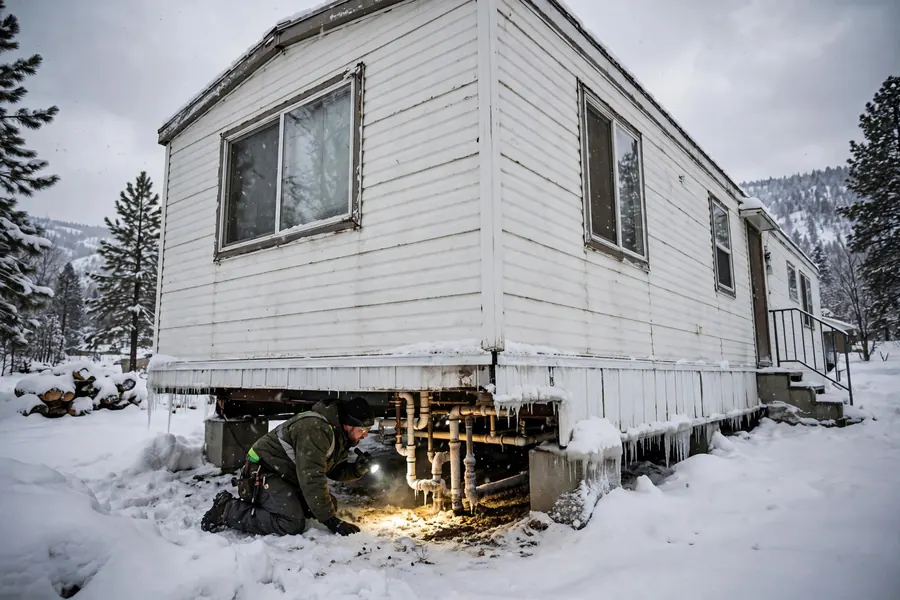
Start by opening the faucet the frozen pipe serves. That open tap relieves pressure and gives meltwater somewhere to go. Then find the frozen section: check exposed runs in the crawl space, the shallow space under a home, the attic, the space above the ceiling, the garage and inside the kitchen sink cabinet, the cabinet under a sink on an exterior wall.
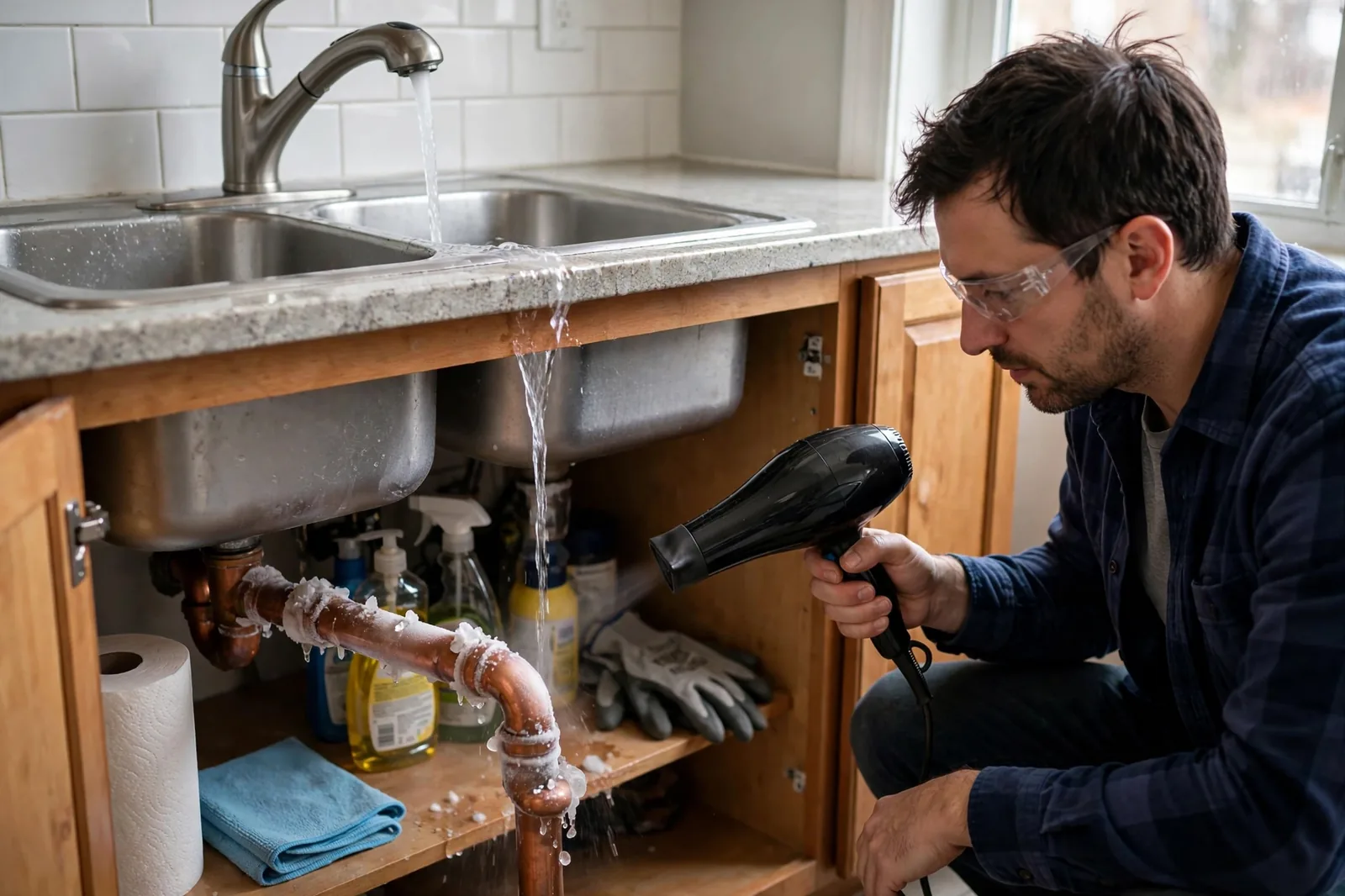
Apply gentle heat to the exposed pipe, beginning nearest the faucet and moving toward the coldest part. Use a hair dryer on a warm setting, a heating pad, or towels soaked in hot water and wrung out. Keep the heat moving. As the ice melts, flow at the open tap grows from a trickle to a full stream, which tells you the line is clearing.
What Should You Have Ready Before You Start?
Keep the main shutoff location clear in your mind, lay towels under the exposed run, and place a bucket under the lowest joint. Have a torch or lamp for dark spaces and your phone nearby. If the thaw reveals a split, you will want to close the water and call for help without first hunting for valves or buckets.
What Should You Never Use To Thaw A Pipe?
Never use a blowtorch, propane or kerosene heater, charcoal device or any open flame. The American Red Cross warns against open flame for thawing because it can set wall materials alight, damage solder and pipe, and turn a plumbing problem into a fire, sometimes inside a wall where you cannot see it start.
Also skip boiling water poured directly on a frozen pipe or into a frozen drain, and be cautious with a high-heat gun held in one spot. Sudden, intense heat can crack a cold fitting and can build steam pressure in a sealed section. Slow heat feels less dramatic, but it melts ice without adding a second emergency to the first.
Keep children and pets away from heaters and hot towels while you work, and never leave a heater running against a wall or cabinet unattended. If a space is too tight to warm safely, with room needed between the heat source and surrounding materials, that is another reason to hand the job to a pro.
Pipe Frozen Or Burst Right Now? One Free Call Connects You With A Local Pro.
Call NowHow Do You Find The Frozen Section Of Pipe?
Work from the symptom outward. If one tap is dead and the rest run, the freeze is on that tap's own run, usually its exposed or exterior wall, an outside-facing wall closest to outdoor cold, section. If a whole bathroom or floor is out, the freeze sits on a shared feed before the lines divide.
Touch exposed pipe where you can reach it: a frozen section feels notably colder and may carry frost. A slight bulge suggests ice expansion pressure, the force of water expanding as it freezes in a closed pipe, is stressing that spot. In homes around burst pipe help in Boise, the frozen run is most often the one crossing an unheated space on its way to the dead tap.
What If The Frozen Pipe Is Inside A Wall?
You can warm the wall surface gently and open the tap, which sometimes clears a shallow freeze in an exterior wall run. Do not cut the wall yourself to chase it. If flow does not return, or the wall feels wet or bulges at any point, stop and call a pro, who can locate the run with imaging before opening anything.
Why Does Thaw Order And An Open Tap Matter?
Ice melts unevenly, and the order you warm the pipe decides where the meltwater goes. Starting near the open faucet and working toward the cold end means each melted section can drain out of the tap. Starting at the far end can trap water between new melt and remaining ice, building pressure in exactly the way that splits pipes.
The open tap is also your gauge. A growing trickle tells you the method is working; a tap that stays dry after steady warming tells you the freeze is longer, deeper or elsewhere than you thought. Leave the tap open for a while after full flow returns, and run it gently before using the line normally again.
That is also why you should thaw one line at a time in a multi-tap freeze, finishing and checking the first before moving on. Two lines thawing together can release water in two places at once, and a split on the first can be missed while attention moves to the second.
What Should You Watch For As The Pipe Thaws?
Watch every joint and exposed section as flow returns, because the freeze may already have split the pipe. Ice expansion can crack copper pipe, a metal pipe common in Idaho homes, CPVC pipe, a rigid plastic that turns brittle with cold, or a failed fitting, and the ice itself plugs the crack until the thaw. A split often announces itself as a spray, drip or damp patch the moment pressure comes back.
Keep towels and a bucket under the run and know your main water shutoff valve, the main valve that stops all water entering the home, before you start. If water appears anywhere except the open tap, close that valve at once. Homeowners in burst pipe help in Blackfoot are advised the same way: thawing and leak watching are one job, not two.
How Do You Check The Rest Of The Line Afterwards?
Run each tap served by the thawed line and check pressure, then revisit the space under the home, the cabinet and any wall along the run with a torch, looking and feeling for damp. A moisture meter check by a pro can confirm a wall is dry inside. A pressure test settles any doubt: a line that holds pressure has no hidden split waiting for the next cold night.
When Should You Stop And Call A Pro?
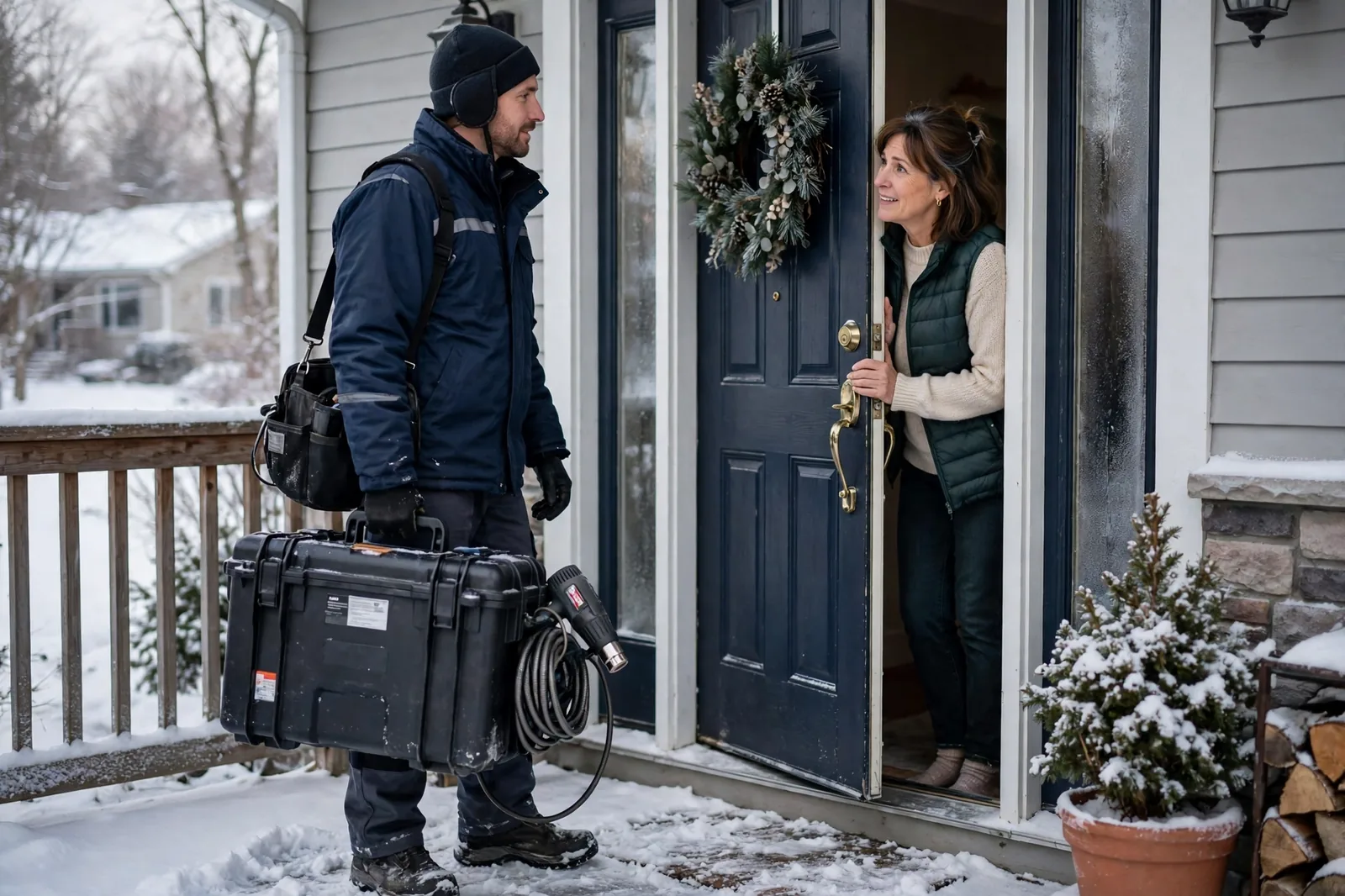
Stop if you cannot reach the frozen section, if it sits inside a sealed wall or ceiling, if you see a bulge or crack, or if gentle heat brings no flow after a reasonable effort. Stop immediately if you smell gas near a line, see sparking or water near electrics, or find water leaking during the thaw. Those are no longer a home thawing job.
The full stopping points are set out in frozen pipe not thawing: when to stop and call a pro. A pro brings locating tools and, if the pipe has split, can move straight to repair and drying. Around burst pipe help in Blanchard, that quick change from thawing to repair is what keeps a split from soaking the home.
How Do You Stop The Same Pipe Freezing Again?
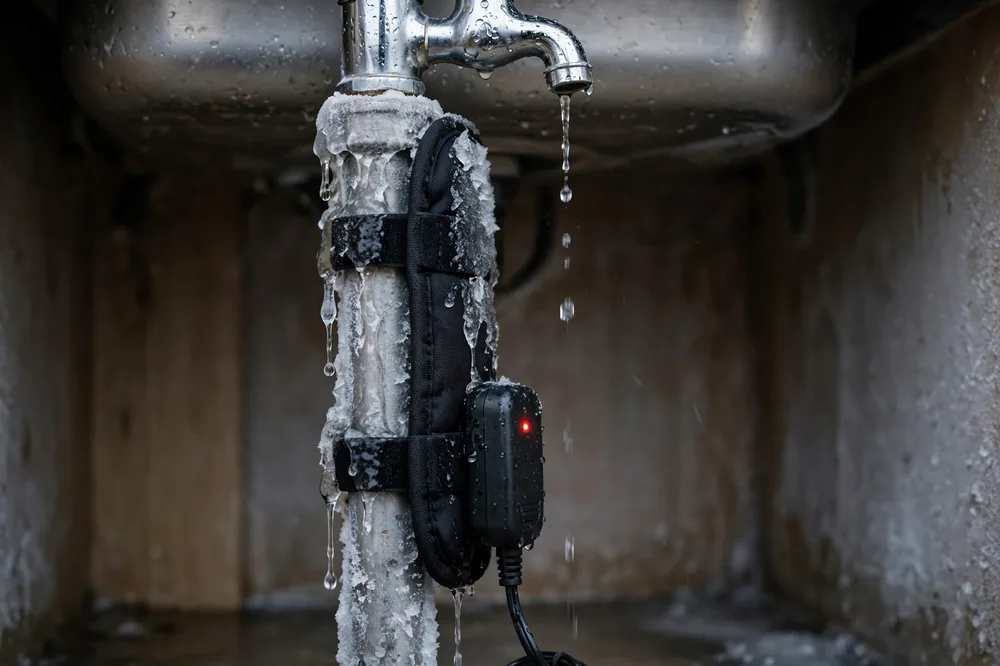
Once flow is back, protect the run that froze. Fit a pipe insulation sleeve, foam tubing slipped over a pipe, add heat tape, an electric cable applied along a pipe to keep it above freezing, where a pro advises, and seal gaps that pour cold air onto the line. Electric heating pad thawing, applying gentle electric heat to a frozen section, is a rescue method, not a substitute for insulation through the season.
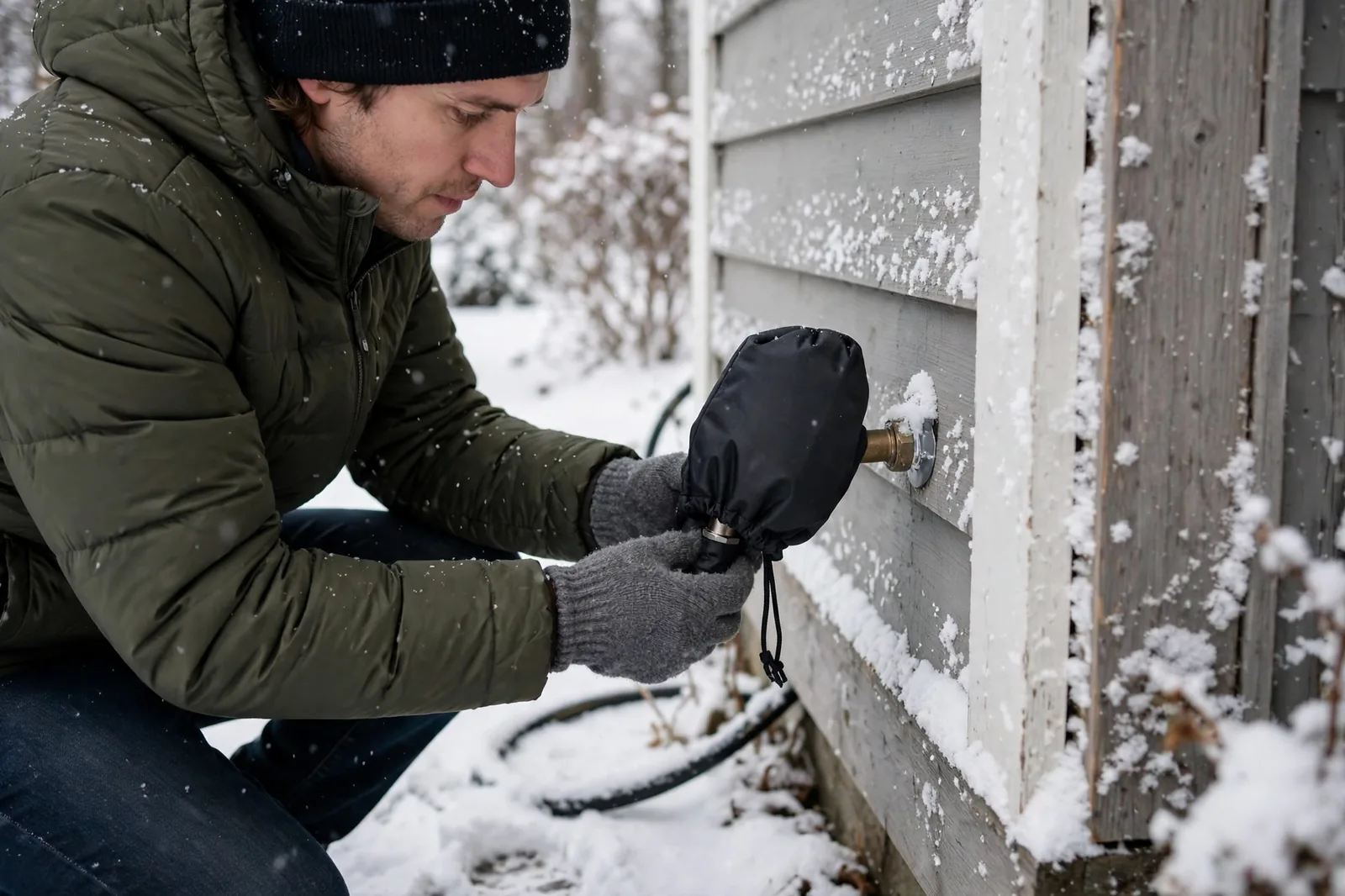
Finish the outdoor jobs too: disconnect hoses from each hose bib, the outdoor tap for hoses, drain that line, and read protecting outdoor faucets and hose bibs before the next cold snap. Idaho Burst Pipe Pros connects callers with independent local pros through one free call on (800) 555-0100, answered 24/7. A pipe that froze once has shown you exactly where to protect.
What Helps On The Coldest Nights?
On very cold nights, open cabinet doors under sinks on outside walls so house heat reaches the pipes, and let the tap most at risk drip slowly; moving water is harder to freeze and the open tap relieves pressure. Close crawl space vents where your setup allows and keep the home's heat steady overnight rather than letting it drop sharply.
Frequently Asked Questions
Straight answers, no fine print. If your question is not here, one free call gets you a local pro who can check your exact problem.
Still Have Questions? Call Free
Answered 24/7 — a local pro can arrive in 30–60 minutes.
Call Now — (800) 555-0100Find the frozen section, open the nearest faucet so meltwater and steam pressure can escape, and apply gentle heat starting near the faucet and working toward the coldest part. Use a hair dryer, warm towels, a heating pad or a portable heater used safely nearby. Keep heat moving, check joints as flow returns, and stop at once if you see a split leaking.
Never use a blowtorch, kerosene or propane heater, charcoal, or any open flame on or near a pipe. The American Red Cross warns that open flame can ignite wall materials and damage the pipe itself. Also avoid pouring boiling water into drains or onto pipes, which can crack cold fittings. Gentle, moving heat is slower, but it is the method that does not trade a freeze for a fire.
Open it before you start and leave it open while you work. The open tap gives expanding water and melting ice a path out, relieves pressure in the line, and lets you see the moment flow returns. Start with a trickle if that is all you get. If no tap on the frozen line will run at all, still open the nearest one before applying heat.
Begin on the side nearest the faucet and move slowly toward the coldest section and any visible frost. This order lets melted water escape through the open tap instead of being trapped behind remaining ice, where it could build pressure. Work in passes rather than holding heat in one spot, and recheck the exposed sections, cabinets and crawl space access points as you go.
First look for frost or a very cold section on exposed pipe, a bulge, or the run closest to outdoor air: an exterior wall, crawl space, attic or garage. The frozen tap itself and the rooms it serves narrow the area. If the location stays unclear, or the frozen run is inside a sealed wall, that is a sensible point to call a pro with locating tools.
Yes. A frozen pipe may already be split, with the ice plugging the crack. As you thaw, that plug melts and water can spray or pour from the split. Keep the shutoff location in mind before you start, use towels and a bucket near suspect joints, and watch each section as flow returns. If water appears anywhere but the tap, close the main valve and call for help.
Give a pipe steady gentle heat and time; many exposed sections begin to flow within about half an hour, though long or hidden runs take longer. There is no safe way to rush it with stronger heat. If flow has not returned after a reasonable effort, or you cannot reach the frozen section at all, stop and call a pro rather than raising the heat.
A heating pad wrapped on the pipe is one of the gentle methods the Red Cross lists, along with a hair dryer and warm towels. Keep the pad on a safe setting, check it often and never leave it unattended on a very cold or suspect section. Electric heating pad thawing works on exposed pipe; it cannot reach a frozen run sealed inside a wall.
A working tap that suddenly stops, water that slows to a trickle in cold weather, frost on an exposed pipe, and unusually cold cabinet or wall surfaces are the common early signs. One frozen tap with others running normally usually points to a single exposed run. Catching it at the trickle stage, before the pipe freezes solid, gives you the safest and simplest thaw.
Call promptly if you cannot find or reach the frozen section, the pipe is in a wall, you see a bulge, crack or leak, or flow does not return after gentle thawing. Advice on when to call a pro for a frozen pipe sets out the stopping points. One free call to (800) 555-0100 connects you with an independent local pro, typically in 30–60 minutes.
Reviewed By Hamza
Lead Water Damage Restoration & Structural Drying Specialist
Hamza is an emergency water restoration specialist with deep expertise in burst pipe mitigation, freeze damage remediation, and industrial structural drying across freezing northern climates. He focuses on rapid moisture extraction, thermal imaging diagnostics, and comprehensive subfloor restoration to protect homes from mold and structural deterioration.
Updated October 27, 2026
Need Burst Pipe Help In Idaho?
One free call connects you with a local pro — answered 24/7, and a pro can arrive in 30–60 minutes.
Call Now — (800) 555-0100Free Call · Answered 24/7 · Local Pros Near You