Missed Irrigation Blowout? The Spring Burst It Can Cause In Idaho
Free Call · Answered 24/7 · Local Pros Near You
In This Guide
- What Happens If A Sprinkler System Is Not Blown Out Before Winter?
- Can Irrigation Lines Burst In Spring?
- Where Does Trapped Water Hide In The System?
- What Are The Signs Of A Spring Irrigation Burst?
- What Should You Do When A Spring Line Leaks?
- How Do Pros Find And Fix A Buried Irrigation Burst?
- How Do You Prevent A Missed Blowout Next Fall?
Quick Answer
Yes. If an irrigation line is not blown out in fall, water stays trapped in buried pipes, valves and sprinkler heads all winter. That water freezes, expands and can split the line underground or in a backflow device. Nothing leaks while the system sits drained of pressure, so the damage often appears in spring, at the first watering, as soggy ground, low pressure or water bubbling up in the yard.
What Happens If A Sprinkler System Is Not Blown Out Before Winter?
A blowout uses compressed air to push water out of every zone after the supply is shut off and drained. Skip it, and water remains in low spots, elbows and valve bodies where gravity draining cannot reach. An irrigation line, buried sprinkler piping that must be cleared before winter, often sits shallow enough for Idaho frost to reach it during a long cold spell.
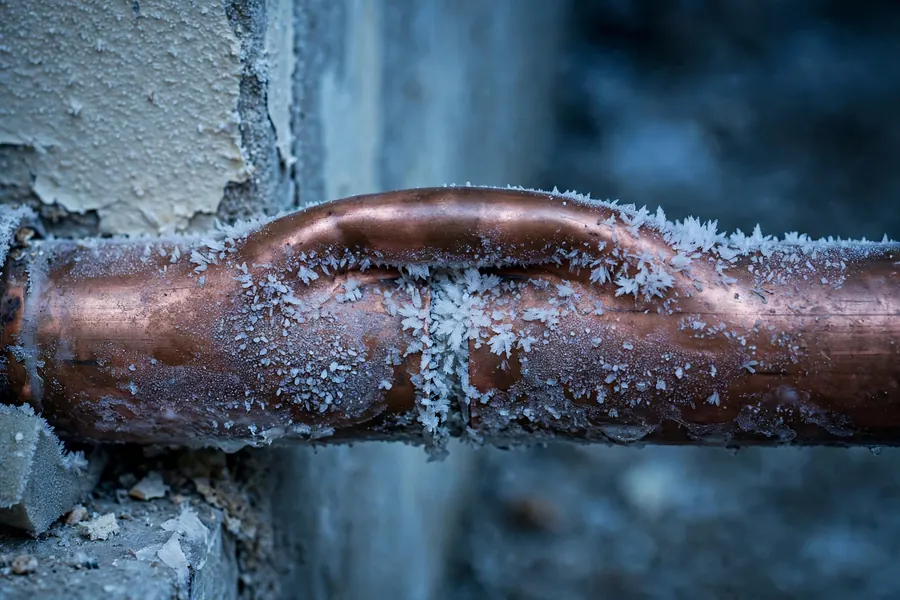
Once that trapped water freezes, ice expansion pressure, the force of water expanding as it freezes inside a closed space, pushes against the pipe wall. PVC pipe, a rigid plastic used for irrigation lines, has little give in cold ground. The wall, a valve or a fitting can crack, yet frozen ground and ice inside the line hide the split until spring.
Which Parts Fail Most Often?
Backflow devices, manifolds and sprinkler heads fail often because they hold water above the frost line or trap it at bends. A failed fitting, a connector that cracks or separates, is common at glued joints. Shallow laterals under driveways and sidewalks also freeze hard, because paving gives them little soil cover or warmth.
Can Irrigation Lines Burst In Spring?
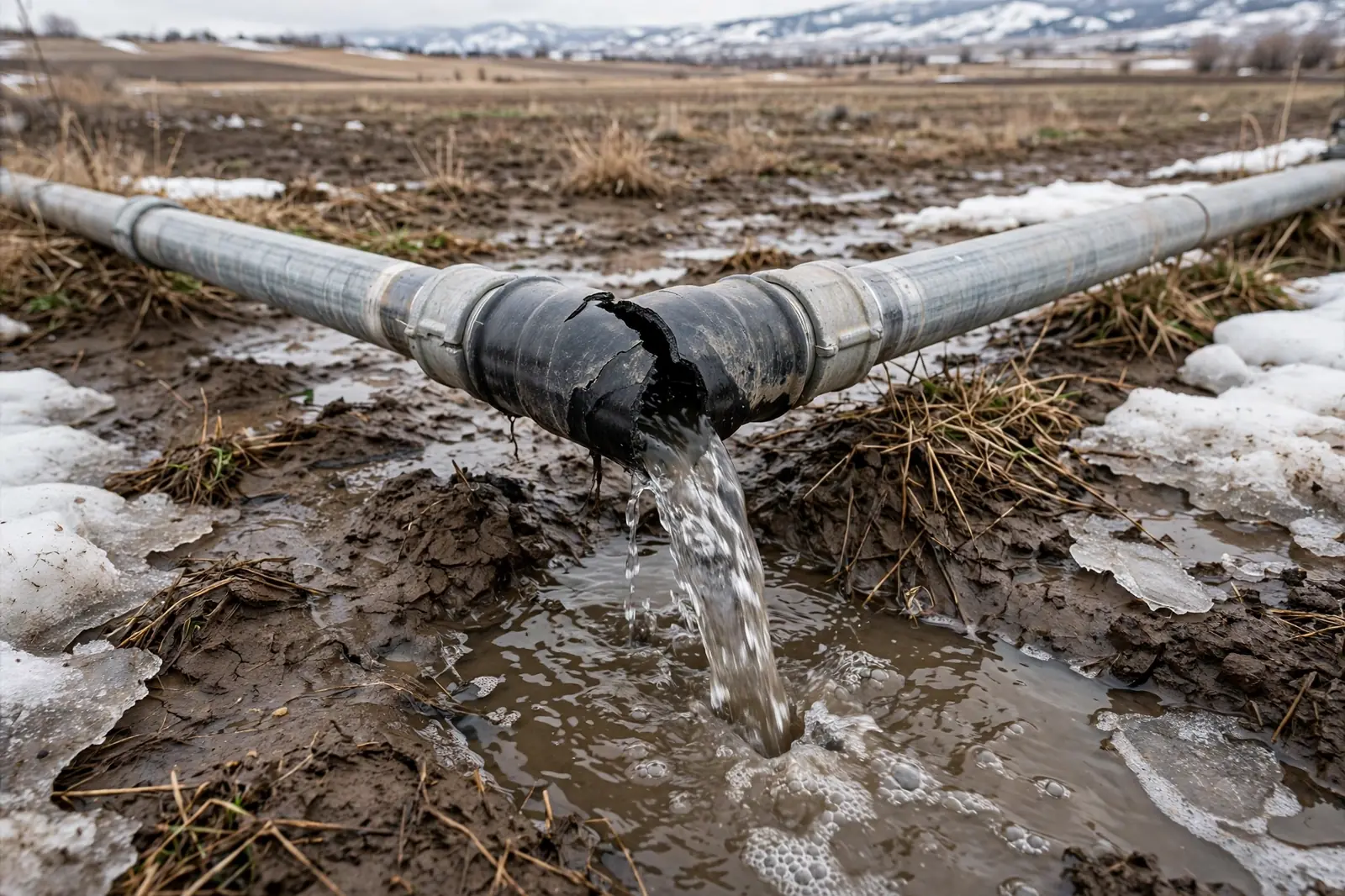
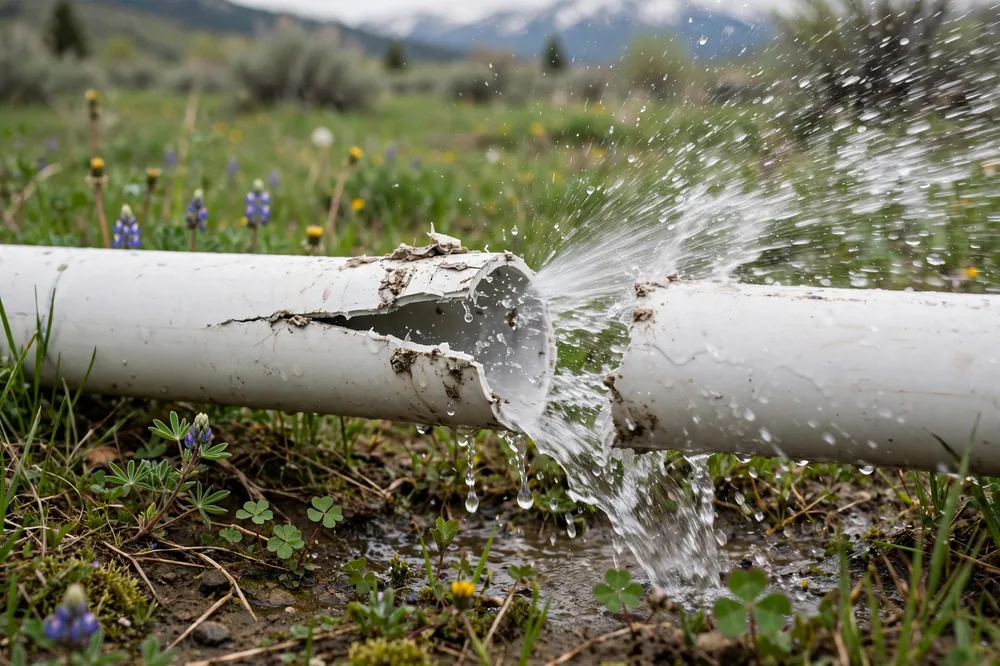
Yes, though most spring bursts actually split during winter. The break forms under ice pressure, then the freeze thaw cycle, repeated freezing and warming that weakens a line, can widen it. When you charge the system in spring, full pressure returns to a cracked pipe and water escapes into the soil instead of reaching the heads.
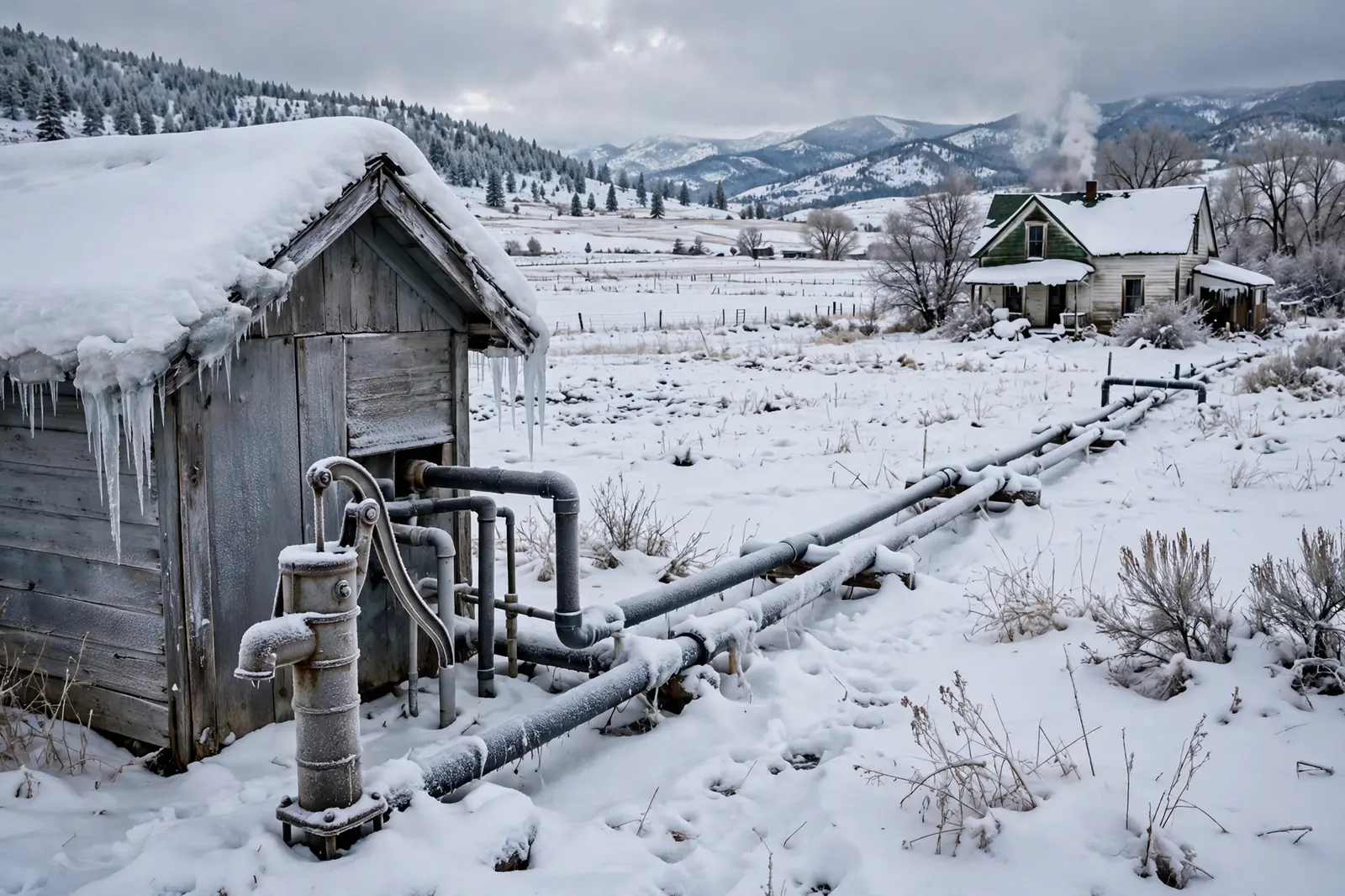
That is why the first watering can look dramatic even though the damage is months old. Homeowners comparing notes with well and septic lines freezing on rural properties will recognise the same pattern: rural lines, shallow runs and empty properties hide freeze damage until water starts moving again in warmer weather.
The leak may also run quietly for a while if the split faces downward, soaking the trench before any water shows on the surface. By the time grass greens unevenly over one stretch or a bed stays muddy between waterings, the soil under that section is already saturated and needs to dry before new pipe is buried.
Pipe Frozen Or Burst Right Now? One Free Call Connects You With A Local Pro.
Call NowWhere Does Trapped Water Hide In The System?
Water hides wherever the line dips, turns or ends. Low laterals collect it, valve boxes hold it around the solenoids, and the riser to each head traps a small pocket. A hose bib, the outdoor tap for hoses, fed from the same branch can also hold water if its inside valve stays open and the line is not drained.
Sloped yards make this uneven. The high zones may drain on their own while the low zone stays full all winter. In colder eastern Idaho ground, that one full zone is the one that splits. Soil type matters too: shifting soil, ground movement from frost and moisture changes, can stress a cracked joint further as the ground heaves and settles.
Does Draining Alone Clear The Lines?
Opening a drain valve helps, but it rarely clears every low pocket, elbow and head. Air is used for blowouts because it pushes water through rises and dips that gravity cannot empty. A system that was only drained can still freeze, especially where a line sags or a valve body sits below the drain point.
What Are The Signs Of A Spring Irrigation Burst?
Watch for a patch of lawn that stays soggy when the rest dries, water bubbling or pooling at one head, and a zone that runs weak while others run normally. A sinkhole or washed-out soil along a line, muddy water at startup, and heads that pop off or tilt all point to a split below ground losing pressure.
Your water meter, the utility meter that records water use, can confirm it. If the meter moves fast while only one zone runs, or keeps moving after the controller is off, water is escaping. In small communities, help often starts the same way as burst pipe help in Atomic City: shut the irrigation supply down first, then find where the water is going.
What Should You Do When A Spring Line Leaks?
Turn the irrigation supply off at its own valve, or close the main water shutoff valve, the main valve that stops all water entering the property, if you cannot isolate the system. Leave the controller off so zones do not keep cycling water into the break. Then walk the wet area and note which zone was running when the leak showed.
Do not keep testing zones to find the break. Each test pumps more water into the soil, deepens the washout and can undermine a path or bed. Take dated photos of pooling and damaged planting for your records. If water is heading toward the house, a crawl space, the shallow space under a home, or a basement, treat it as urgent and call Idaho Burst Pipe Pros on (800) 555-0100; calls are answered 24/7 and a free call connects you with an independent local pro who typically arrives in 30–60 minutes.
Can You Keep Watering Other Zones?
Only if you can fully isolate the damaged zone at its valve and pressure elsewhere stays normal. If the split is in a shared main line, every zone feeds the same leak, so keep the whole system off. Running a partly broken system also spreads saturated soil along the trench and makes the repair dig harder.
How Do Pros Find And Fix A Buried Irrigation Burst?
A pro starts by running one zone at a time and watching pressure, heads and wet ground to narrow the break to a stretch of line. A pressure test, filling a line at a set pressure and watching for a drop, confirms which section loses water. Then the crew digs only that area, cuts out the split pipe or fitting, and joins new pipe with sound fittings.
After the join cures, the zone is charged slowly and checked head by head. A moisture meter, a handheld device that measures moisture in materials, is more useful indoors, but outside the pro reads soil moisture by hand and eye to confirm the ground stops getting wetter. Yard leaks near homes in places like burst pipe help in Bancroft also need a check that water has not reached the foundation or under the home.
How Do You Prevent A Missed Blowout Next Fall?
Put the blowout on the calendar before the first hard freeze, not after it. Shut the irrigation supply, drain what you can, then clear each zone with air in short bursts, working from the farthest zone back. Drain the backflow device, leave valves in the position the maker advises, and note any weak heads or slow leaks you saw during the season.
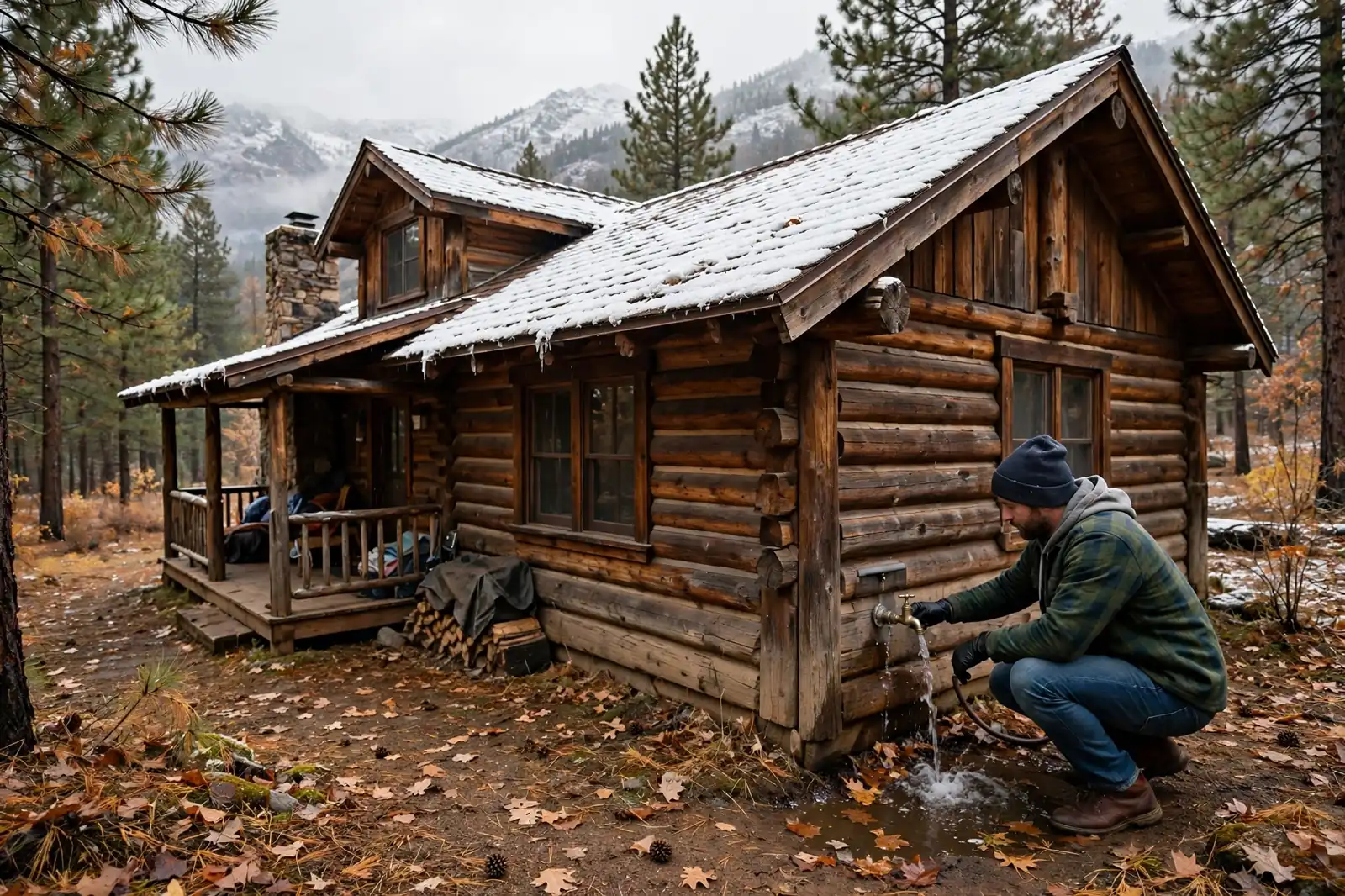
The same fall routine protects the house lines. Disconnect hoses, drain the hose bib line, and fit a pipe insulation sleeve, foam tubing slipped over a pipe, on exposed runs. Owners of empty properties can borrow more steps from winterizing a vacation cabin in Idaho. One autumn afternoon of draining and clearing is far simpler than digging up a split line in spring.
What If Winter Already Started?
A late blowout is still worth doing if the ground has not frozen deep, because removing most of the water lowers the pressure a freeze can build. If lines are already frozen solid, forcing air through them can stress cracked sections, so ask a pro first. Either way, plan a slow, careful spring startup and watch every zone.
Frequently Asked Questions
Straight answers, no fine print. If your question is not here, one free call gets you a local pro who can check your exact problem.
Still Have Questions? Call Free
Answered 24/7 — a local pro can arrive in 30–60 minutes.
Call Now — (800) 555-0100Water stays trapped in low pipes, valves and heads through winter. When it freezes, it expands and can split PVC pipe, crack a valve body or separate a fitting. Because the system has no pressure while it sits shut down, the damage stays hidden. It usually appears at spring startup as pooling water, weak heads or a zone that will not hold pressure.
Yes, irrigation lines can appear to burst in spring, although the split usually formed during a winter freeze. Ice cracked the pipe while the system was off, and the crack stayed plugged or unpressurised. When you turn the water on, pressure pushes through the split and floods the soil. That is why a spring leak often traces back to a missed fall blowout.
Depths vary by installer, soil and slope, and many laterals sit shallower than the local frost depth. That shallow cover is exactly why trapped water can freeze during a long cold spell. Main lines may sit deeper, while heads, risers and backflow parts sit higher and freeze sooner. Without digging or plans, assume shallow parts are at risk every winter.
Sometimes a cracked backflow device needs only a replaced section or internal part, and sometimes the body itself has split and the whole device must be changed. A pro will shut the supply off, inspect the body and fittings, and pressure test the repair. Do not run the system through a leaking backflow device, because it wastes water and can flood the area around it.
Yes. Open the supply slowly, charge one zone at a time and walk the yard while each zone runs. Slow startup makes a split easier to spot before it washes out much soil, and it reduces the surge through weak joints. Watch for soggy patches, bubbling heads and pressure loss. If one zone misbehaves, shut it down and note its number for the pro.
Not directly, because most irrigation systems branch off with their own shutoff and backflow protection. The risk to the house comes if a yard leak runs toward the foundation, fills a crawl space or goes unnoticed beside a wall. A shared branch that was left open can also freeze. Shut the irrigation supply early and check ground near the home at startup.
Many homeowners do, but the compressor must move enough air volume for each zone, and pressure must stay within what the pipe and heads can handle. Work zone by zone, in short bursts, and never run air through the backflow device the wrong way. If you are unsure about settings or valve order, having a pro do the blowout is safer for the system.
It involves isolating the damaged zone, digging the smallest practical trench over the split, and cutting out the broken pipe, valve or fitting. New parts are joined, the joint is allowed to set, and the zone is pressure tested and run while the pro watches for leaks. Cost depends on depth, access, how much soil washed away and how many parts cracked, not on a flat figure.
Run one zone at a time for a few minutes and watch the yard. The leaking zone usually shows pooling, bubbling or weak heads, while sound zones run evenly. Note where water appears first and which heads lose pressure. If every zone leaks or the meter moves with the controller off, the split is more likely in a shared main line or valve.
Call promptly if water is pooling near the house, running under a path or driveway, filling a valve box, or if you cannot isolate the leaking zone. Also call if the meter keeps moving after shutdown. Through the emergency burst pipe help for Idaho page you can see how urgent leaks are handled; one free call connects you with a local pro.
Reviewed By Hamza
Lead Water Damage Restoration & Structural Drying Specialist
Hamza is an emergency water restoration specialist with deep expertise in burst pipe mitigation, freeze damage remediation, and industrial structural drying across freezing northern climates. He focuses on rapid moisture extraction, thermal imaging diagnostics, and comprehensive subfloor restoration to protect homes from mold and structural deterioration.
Updated October 27, 2026
Need Burst Pipe Help In Idaho?
One free call connects you with a local pro — answered 24/7, and a pro can arrive in 30–60 minutes.
Call Now — (800) 555-0100Free Call · Answered 24/7 · Local Pros Near You