Rerouting Pipes Away From Cold Exterior Walls
Free Call · Answered 24/7 · Local Pros Near You
Quick Answer
Yes, a pipe that freezes again and again in a cold wall can often be moved. Rerouting takes that section out of the exterior wall and runs it through warmer interior space, such as a ceiling, floor or inside wall. It costs more than one repair, but it ends the repeat cycle of freezing, splitting and drying the same room.
What Is Pipe Rerouting?
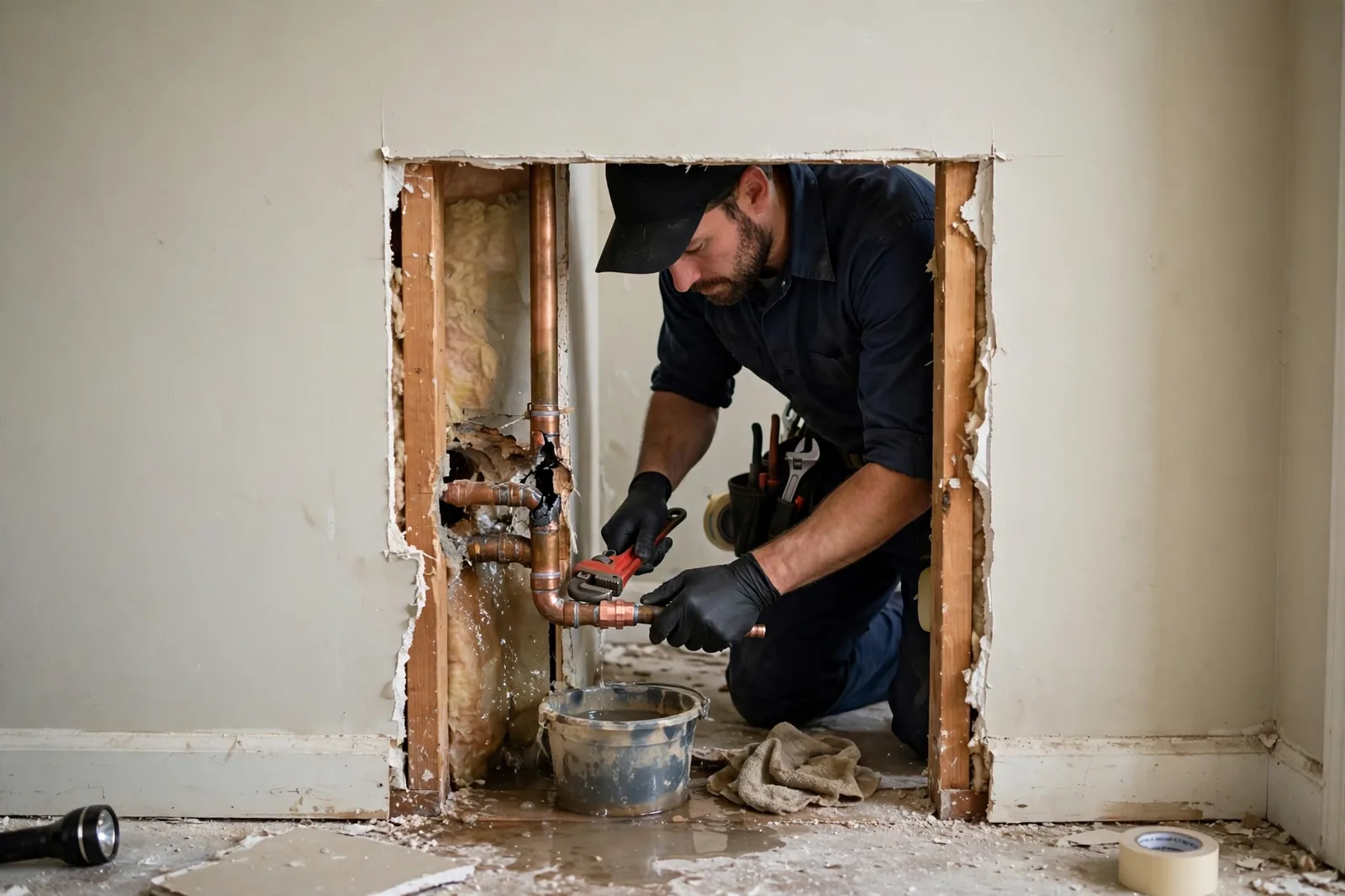
Pipe rerouting means abandoning a problem section of line and running a new section through a different, warmer path. The old section is cut, capped and drained, and the new run connects at both ends. Plumbers use it when a line keeps freezing, when a buried or hidden section has failed, or when access to the original route is impractical.
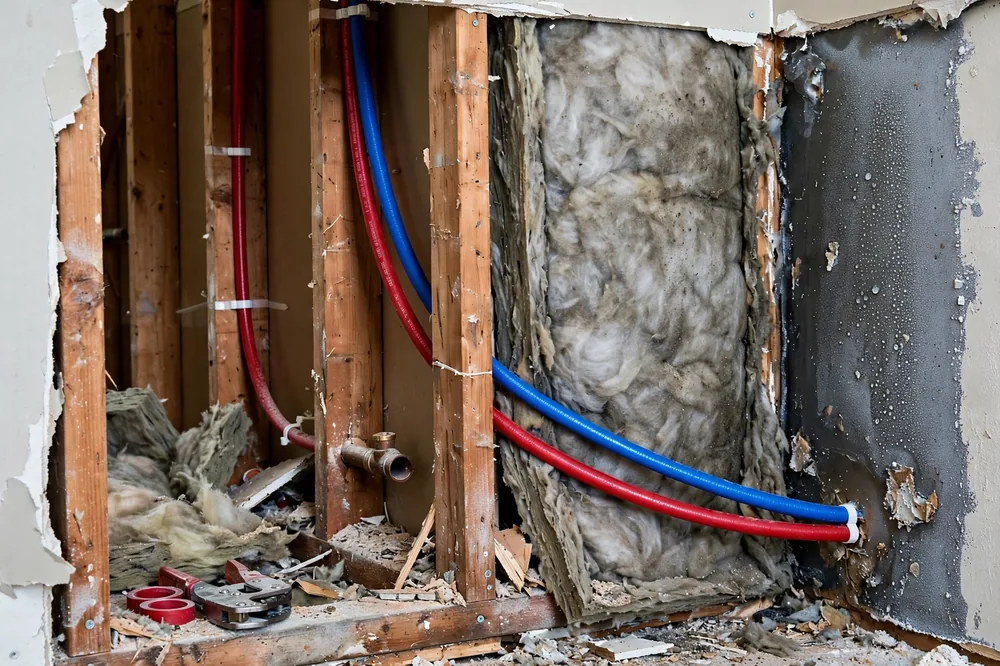
The goal is not just a new pipe. It is a new location. A run inside an exterior wall, an outside-facing wall whose pipe runs sit closest to outdoor cold, lives inches from winter air. The same line moved to an interior wall, a heated ceiling or below a floor inside the warmth of the home can stay above freezing through most cold snaps.
Is Rerouting The Same As Replacing A Section?
No. Replacing a section puts new pipe in the same cold place, so the freeze risk stays. Rerouting changes the place itself. That difference is the whole point for a repeat freezer: the material was rarely the main problem, because even a strong new line will freeze if the wall around it drops low enough for long enough.
Can A Pipe Be Moved So It Does Not Freeze Again?
In most homes, yes, though the route depends on layout. Common new paths run through a basement, the lowest level where the main line often enters, through floor joists, across an attic with proper protection where climate allows, or inside a soffit or closet. A pro maps where water needs to reach and finds the warmest practical path between those points.
Some moves are short, shifting a kitchen line from the outside wall into the cabinet base or floor. Others are longer, taking a bathroom supply off a cold wall entirely. Owners discussing burst pipe help in Holbrook often start with one short move for the line that froze, rather than replumbing the whole home at once.
What Limits A New Route?
Structure, distance and drainage limit routes. The new run must avoid beams that cannot be drilled, keep enough fall where drainage matters, and stay reachable for future valves. Long runs can also affect pressure and how fast hot water arrives. A good plan weighs warmth against those practical points before any wall is opened.
Pipe Frozen Or Burst Right Now? One Free Call Connects You With A Local Pro.
Call NowWhen Does Rerouting Beat Insulating Again?
Insulation and heat tape help a borderline line, but they only slow heat loss. During a long Idaho cold snap, a pipe insulation sleeve, foam tubing slipped over a pipe, cannot add warmth, and heat tape, an electric cable applied along a pipe, fails if power fails. If a line has frozen twice despite those measures, its location is the problem, not its wrapping.
Repeat damage changes the maths. Each freeze risks ice expansion pressure, the force created when water expands as it freezes, and each burst brings drying and material repair. Guidance in how much wall comes out for a burst pipe repair shows how repair access adds up. Paying once to move the line can be calmer than paying repeatedly to fix the same wall.
How Many Freezes Justify A Move?
There is no fixed number, but two freezes in the same run, or one burst in a hard-to-reach wall, are common turning points. A single freeze during a record cold snap in a well-wrapped line may not justify it. Your pro can weigh the line's history, the wall's exposure and the cost of another failure together.
How Do Pros Plan The New Route?
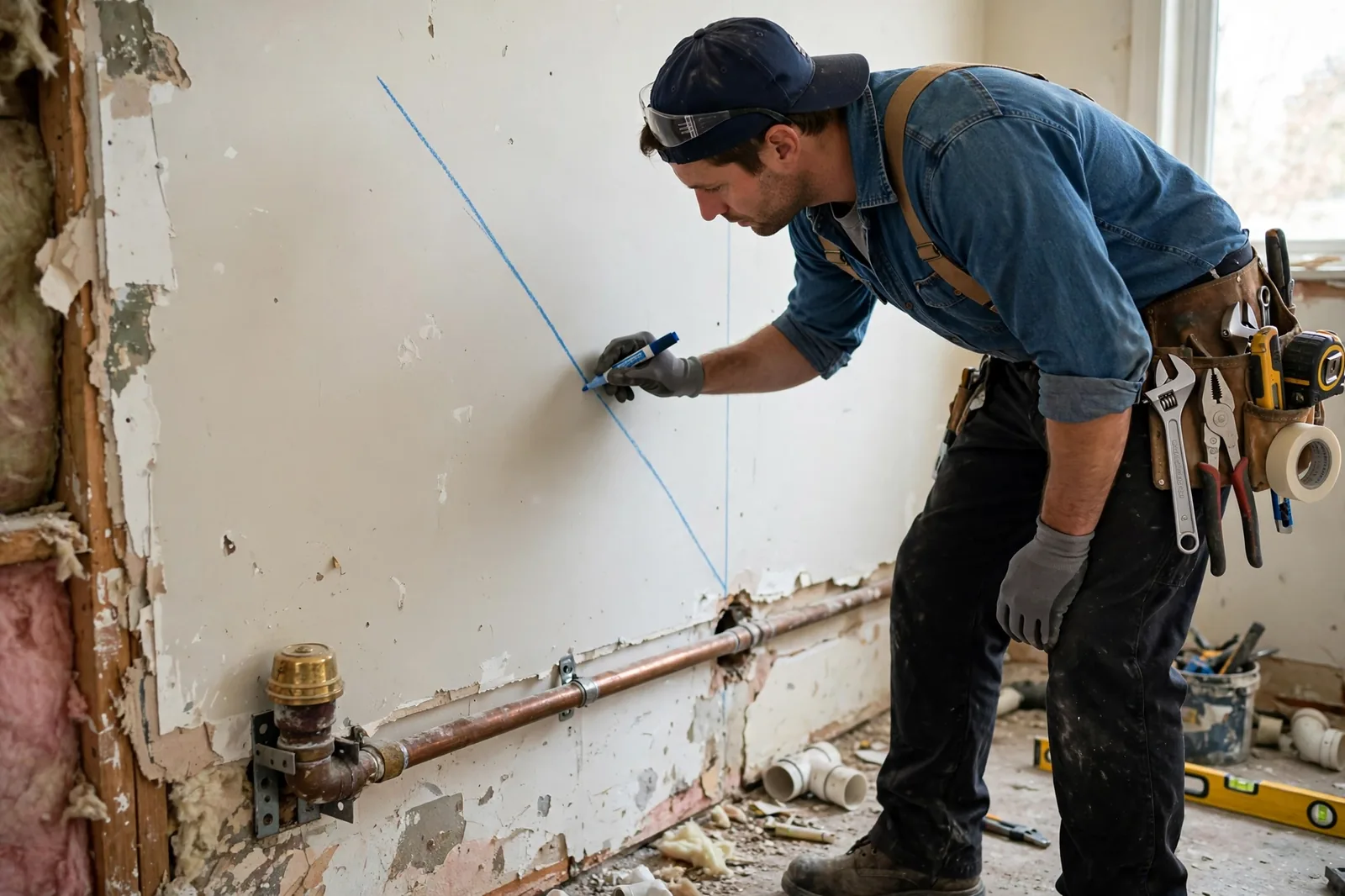
Planning starts with tracing the existing line: where it enters, where it branches, and which taps it feeds. A thermal imaging camera, a camera that shows temperature differences on a surface, can show cold spots in the wall, and small access openings confirm what drawings or memory suggest. The pro then chooses tie-in points that keep most of the system untouched.
Material choice follows the route. PEX pipe, a flexible plastic pipe, bends around corners with fewer joints, which suits long interior runs. A copper pipe, the metal pipe used in many homes, may match existing work in short visible sections. Either way, the abandoned section is drained and capped so it cannot refill and freeze later.
What Happens To The Old Pipe?
The old section is usually left in place, empty and disconnected, because removing it would mean opening far more wall for no benefit. It is cut back, capped at both ends and drained. Tell future owners or keep a note with the home's papers, so nobody reconnects a dead line by mistake during later work.
How Much Wall And Floor Comes Out?
Rerouting often needs less demolition than owners fear, because the new route can use open spaces: under-floor areas, closets, ceiling voids and the backs of cabinets. Access holes are still needed at tie-in points and where the line changes direction. Compared with repeated burst repairs in the same finished wall, the total opening can be similar, but it happens once.
A crawl space, the shallow space under a home, can carry a new run with modest access if it is protected and insulated there. Lines moved into an attic, the space above the ceiling, need care in Idaho, because little house heat reaches that space. A route that trades a cold wall for a colder attic is no improvement, so pros weigh that carefully.
Who Repairs The Openings Afterwards?
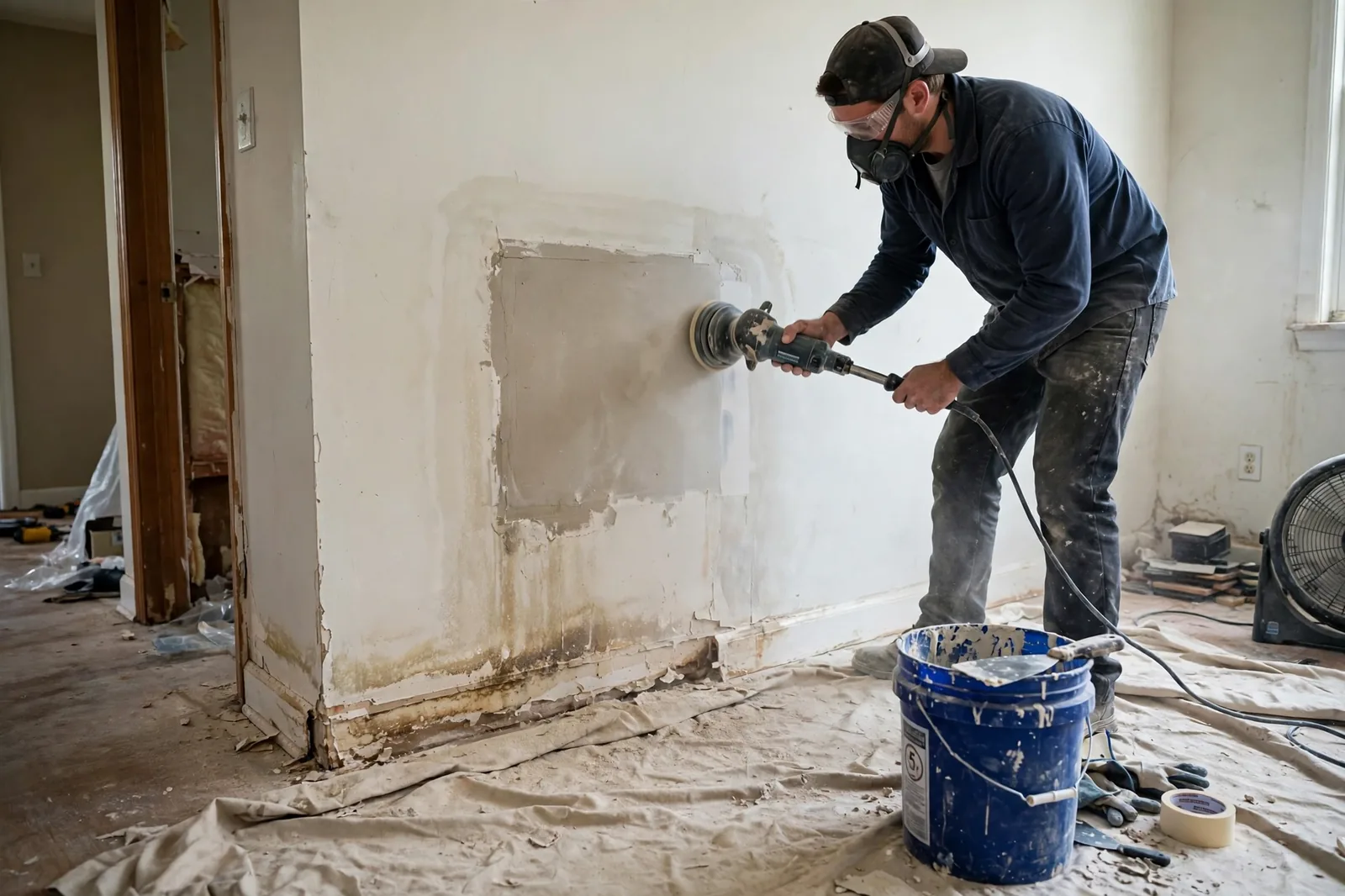
Patching drywall, flooring or cabinet backs is usually a separate step from the plumbing, though the pro will explain what was opened and why. Keep the openings as planned rather than expanding them, and photograph the new route before closing. Those photos make any future work in that wall far simpler and safer.
What Does Rerouting Cost In Terms Of Factors?
Cost turns on length, access and finishes. A short move under an open floor costs less than a long run through finished ceilings. Material, number of joints, valves, patching, and whether other weak sections are moved in the same visit all shape the total. If the reroute follows a burst, water extraction and drying are separate costs driven by how far water spread.
No figure is honest without seeing the route, because two homes with the same frozen tap can need very different paths. Owners near burst pipe help in Homedale usually get the clearest comparison by pricing three options together: repair in place, repair plus insulation, and reroute. Seeing the repeat risk beside each price makes the choice easier.
Does Rerouting Affect Pressure Or Hot Water Wait?
A longer route can add a small pressure drop and a slightly longer wait for hot water at that tap. Good sizing and a direct path keep both minor. Mention any tap that already struggles with pressure before work starts, so the plan can correct it rather than carry the weakness into the new run.
How Is A Rerouted Line Tested And Protected?
Before walls close, the new run gets a pressure test, filling the line at a set pressure and watching for a drop, to prove every joint holds. The pro also checks that the old section is fully drained, valves work, and any part of the new route near cold air still gets insulation. Testing first is what separates a planned move from a hopeful one.
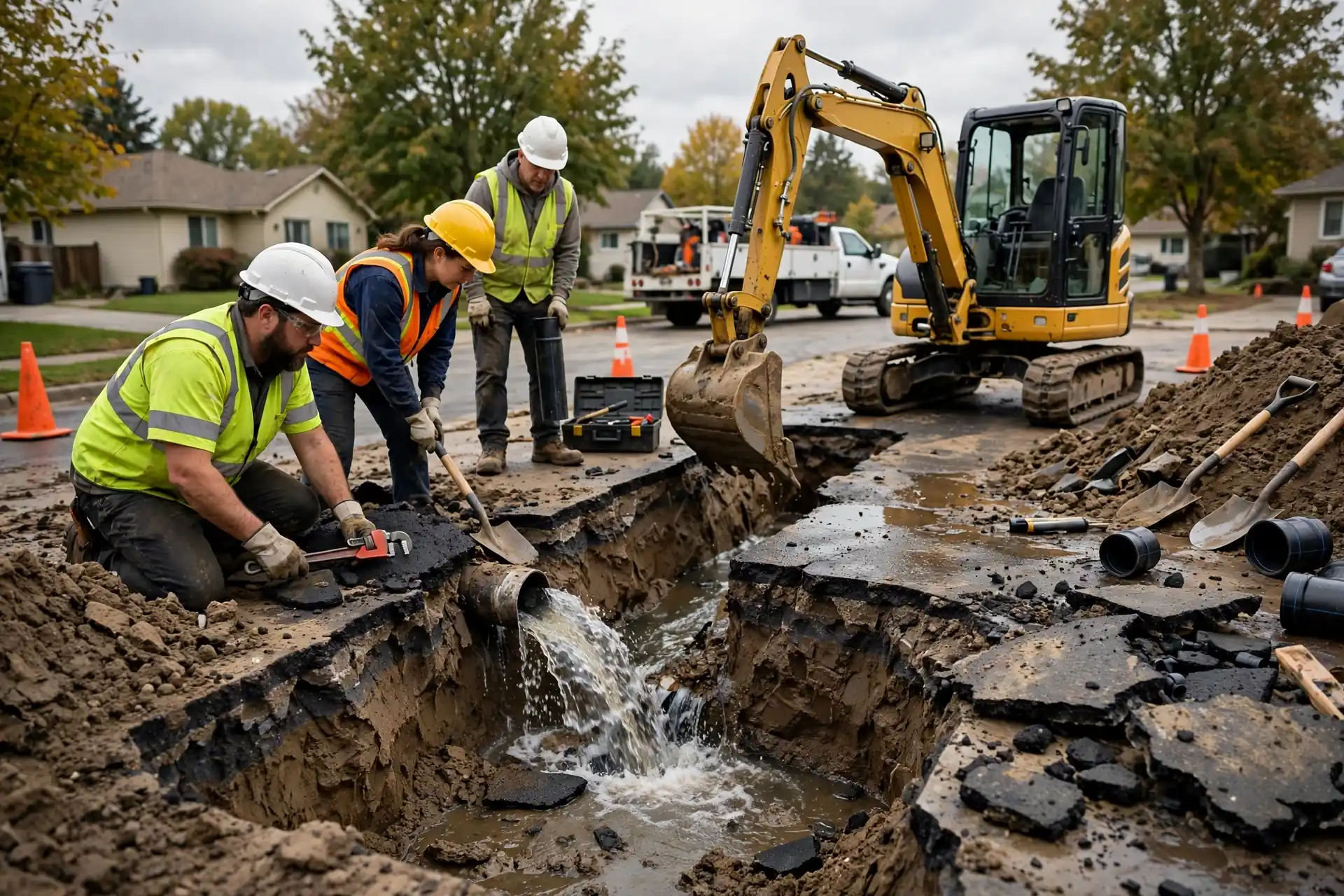
The same logic applies to lines under hard surfaces, as burst pipe under a foundation or driveway explains. The same planning can move a short hose bib feed or a water heater supply run out of a cold corner of the home. For a freezing line, Idaho Burst Pipe Pros is a free service connecting callers with independent local pros on (800) 555-0100, answered 24/7. If the line has already burst, see burst pipe help in Horseshoe Bend and the emergency burst pipe help in Idaho page for first steps. A moisture meter check of the old wall afterwards confirms it is drying out, not still leaking quietly.
Frequently Asked Questions
Straight answers, no fine print. If your question is not here, one free call gets you a local pro who can check your exact problem.
Still Have Questions? Call Free
Answered 24/7 — a local pro can arrive in 30–60 minutes.
Call Now — (800) 555-0100Rerouting replaces the path of a problem line, not just its material. The old section is cut, capped and drained, and a new run is connected through warmer interior space such as a floor, ceiling or inside wall. It is used when a line keeps freezing or a hidden section has failed, and opening the original route again would only repeat the same problem.
Usually yes. A line can be shifted from an outside wall into a floor, cabinet base, interior wall or heated ceiling, depending on the home's layout. Short moves suit a single kitchen or bathroom line. Longer moves need planning around structure and pressure. A pro traces the existing run first, then proposes the warmest practical path between the points the water must reach.
Sometimes, for a borderline line that froze once in record cold. Insulation slows heat loss but adds no warmth, and heat cable stops working in a power cut. If a wrapped line has frozen twice, or the wall faces hard winter wind, location is the real problem. At that point moving the line usually gives more lasting protection than another layer of wrapping.
It depends on the length of the new run, access, material, number of joints and how much finished surface must open and be patched. A short move under an open floor is simpler than a long run through finished ceilings. No honest figure exists without seeing the route. Ask for repair-in-place and reroute prices side by side, with the repeat freeze risk explained for each.
It is normally left in place, drained and capped at both ends, because removing it would require opening far more wall for no benefit. A drained, disconnected section cannot refill or freeze again. Keep a note or photo of where it sits and where the new line runs, and pass that record to future owners or contractors working in that wall.
Flexible plastic line is common for long interior runs because it bends around corners with fewer joints inside walls. Metal line may be used for short or visible sections to match existing work. Your pro will match material to the route, local practice and the existing system, then pressure test the finished run before any opening is closed up.
Some openings are needed at tie-in points and turns, but routes through under-floor areas, closets and cabinet backs keep demolition modest. Patching is usually a separate finishing step. The total disturbance is often similar to one burst repair in a finished wall, with the difference that it should happen once, rather than each time the same cold line freezes again.
Often yes, if those taps share the same cold run. Moving the shared section protects every fixture downstream of it. If taps freeze in different walls for different reasons, each may need its own solution. Tracing which branch feeds which tap is the first planning step, and it sometimes shows that one move solves more of the home than expected.
Timing depends on length, access and patching rather than a standard figure. A short move with open access is quicker than a long run through finished rooms. Your pro should outline the sequence before starting: trace, tie in, test, then close. Build in time for the pressure test, because closing walls before the new run is proven only risks reopening them.
Start with a pro who will trace the line and price both repair and rerouting honestly. Idaho Burst Pipe Pros is a free service connecting callers with independent local pros on (800) 555-0100, with calls answered 24/7 and pros typically arriving in 30 to 60 minutes. Bring the line's freeze history to that conversation, because past freezes are the strongest evidence for moving it.
Reviewed By Hamza
Lead Water Damage Restoration & Structural Drying Specialist
Hamza is an emergency water restoration specialist with deep expertise in burst pipe mitigation, freeze damage remediation, and industrial structural drying across freezing northern climates. He focuses on rapid moisture extraction, thermal imaging diagnostics, and comprehensive subfloor restoration to protect homes from mold and structural deterioration.
Updated October 27, 2026
Need Burst Pipe Help In Idaho?
One free call connects you with a local pro — answered 24/7, and a pro can arrive in 30–60 minutes.
Call Now — (800) 555-0100Free Call · Answered 24/7 · Local Pros Near You