What Affects The Cost Of Fixing A Burst Pipe?

Free Call · Answered 24/7 · Local Pros Near You
In This Guide
- What Affects The Cost Of Fixing A Burst Pipe?
- Why Does Pipe Location Change The Repair Cost?
- How Do Pipe Material And Condition Affect Cost?
- How Much Does The Escaped Water Add To The Bill?
- What Role Do Emergency Timing And Access Play?
- How Does Insurance Change What You Pay?
- Which Choices Lower The Cost Without Cutting Corners?
- How Do You Get A Straight Answer On Your Own Burst?
Quick Answer
The pipe itself is rarely the expensive part. What drives the cost of fixing a burst pipe is where the pipe sits, how much opening and rebuilding access requires, how much water escaped before the shutoff closed, and how much drying and restoration the wet structure needs. This post explains each factor in plain terms, without invented prices, so you can read any quote with clear eyes.
What Affects The Cost Of Fixing A Burst Pipe?
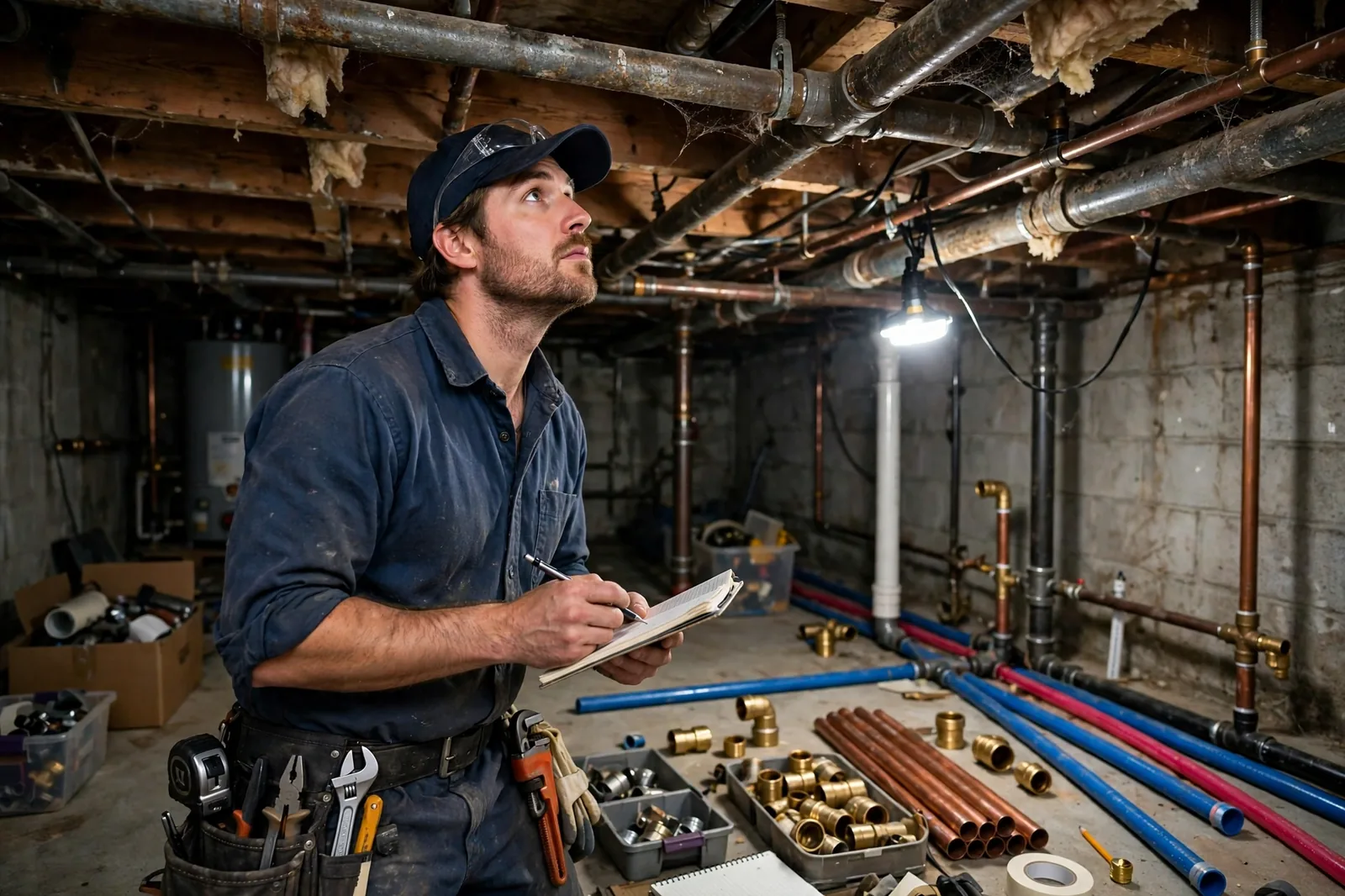
Four things dominate: access to the break, the condition and material of the pipe, the amount of water that escaped, and the drying and restoration that follow. The replacement section of pipe is a small part of most bills. An open, visible break in a basement, the lowest level of a home, can be cut out and replaced quickly, while the same break hidden under a tiled floor takes hours of careful work before the pipe is even visible.
Timing matters too. A burst found in minutes, with the main water shutoff valve, the main valve that stops all water entering the home, closed straight away, is a plumbing repair. A burst that runs for hours while a house sits empty becomes a plumbing repair plus water extraction, days of drying, and rebuilding of floors and walls, which is where most of the real cost of a burst pipe lives.
Why Do Two Similar Bursts Cost So Differently?
Because the pipe is only the start of the story. One burst soaks a washable floor over a crawl space; the other fills an upstairs wall and rains through a ceiling. The plumbing line on the two invoices may be near identical, while the drying and restoration lines differ by a great deal. Comparing quotes means comparing those whole pictures, not the pipe repair alone.
Why Does Pipe Location Change The Repair Cost?
Location decides how much of your home has to open to reach the break and how carefully it must go back together. A line in an open crawl space, the shallow space under a home, or an unfinished utility room is quick to reach. A line inside a finished exterior wall, an outside-facing wall, needs drywall opened and later patched, textured, and painted. A line under concrete or tile needs slower, dust-controlled cutting and a more involved floor repair.
Height and depth both count. A break in an attic, the space above the ceiling, may be simple plumbing but expensive consequences, because the water fell through everything below it. Around burst pipe help in Sugar City, winter bursts often sit in under-floor runs where access is tight but the structure is forgiving, which keeps the restoration side smaller than an upstairs break in a finished home.
Does The Town Or Rural Location Change The Bill?
It can. Travel time to rural properties, the availability of materials locally, and whether a second visit is needed for drying checks all feed into a quote. What should not change is the logic: a clear quote explains the access, the repair, and the drying as separate parts, wherever the home sits, so you can see what you are paying for.
Pipe Frozen Or Burst Right Now? One Free Call Connects You With A Local Pro.
Call NowHow Do Pipe Material And Condition Affect Cost?
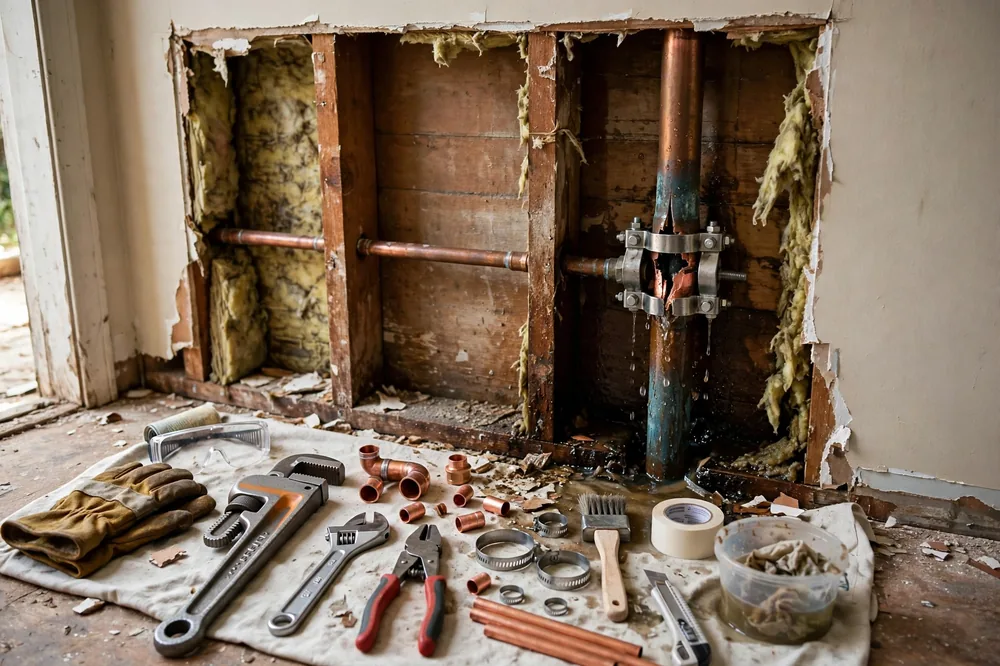
A sound copper pipe, the metal pipe used in many Idaho homes, takes a clean section repair: cut out the split, fit new pipe, join it, and test. Older galvanized steel pipe, an older zinc-coated steel pipe that corrodes from the inside, is harder to join reliably and often crumbles at the threads, turning a small repair into a longer replacement. CPVC pipe, a rigid plastic that turns brittle with age, can crack further while being cut, extending the section that must come out.
Condition drives the honest scope. Pipe corrosion, the gradual wearing away of the pipe wall, that has thinned a whole run means a small patch is money spent twice, and the pro should show you the wall thickness of the piece removed. Our guide to when a burst pipe means it is time to repipe explains that tipping point, where replacing the run costs less over time than repairing it section by section.
What If More Than One Section Has Failed?
Multiple failures from one freeze add openings and pipe, though a shared visit keeps the total below separate call-outs. The pressure test, filling a line at a set pressure and watching for a drop, is what confirms the count before walls close. Insist on that test: paying to find every failure in one visit is cheaper than a second flood from a section nobody checked.
How Much Does The Escaped Water Add To The Bill?
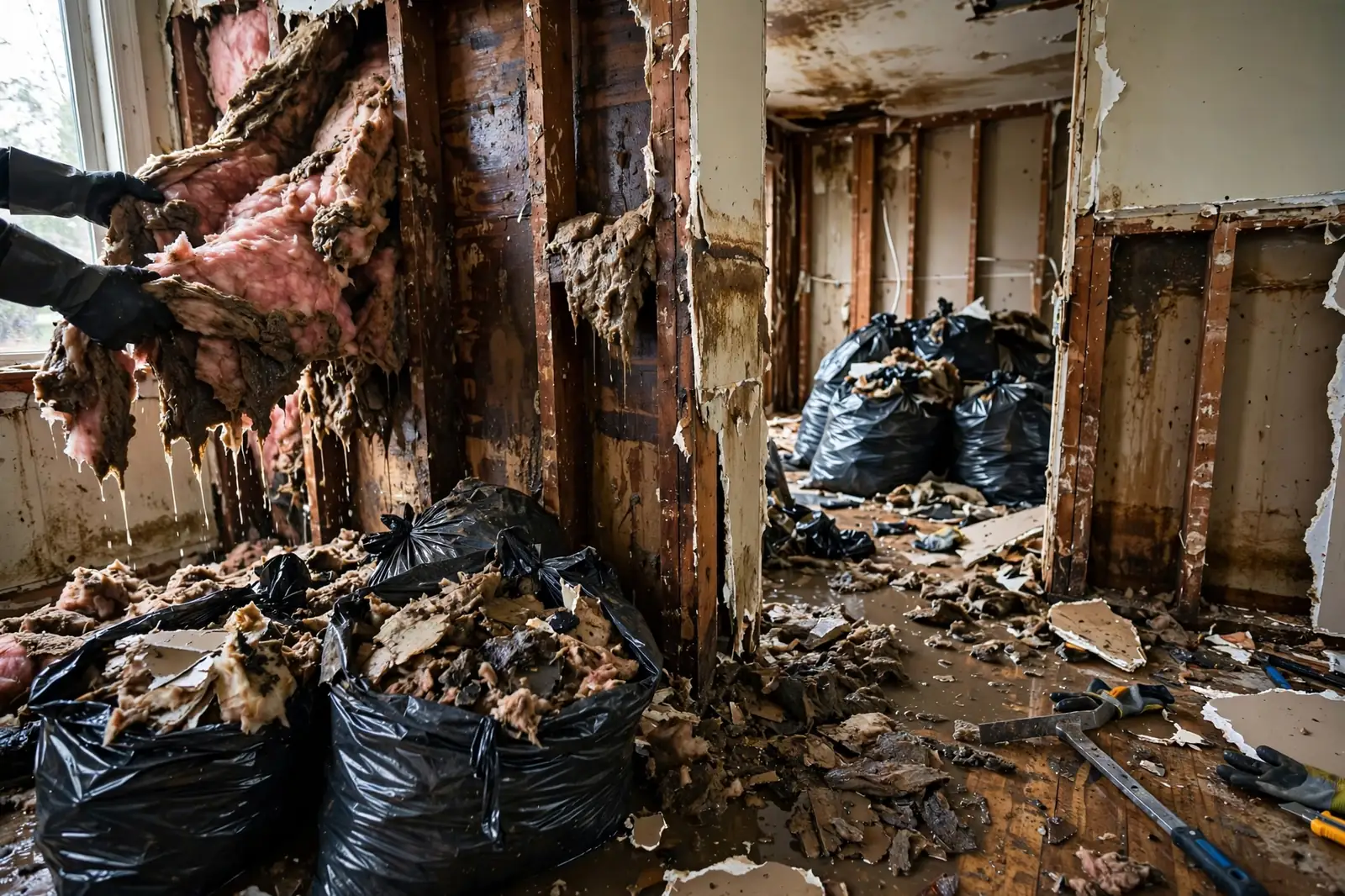
Water damage usually outweighs the plumbing. Water extraction, removing standing water with pumps and vacuums, scales with the volume that escaped and the area it covered. Structural drying, the planned drying of walls, floors and framing, runs for days with an air mover, a fan that pushes air across wet surfaces, and a dehumidifier, equipment that pulls moisture from the air, and the equipment time and monitoring visits are real cost items on most restoration quotes.
The materials the water reached decide the restoration list. The differences run material by material, because carpet sometimes dries, hardwood sometimes cups beyond saving, and saturated insulation, wall insulation soaked by a leak, usually has to come out. Every hour the water ran adds to each of those lines.
How Does A Fast Shutoff Change The Total?
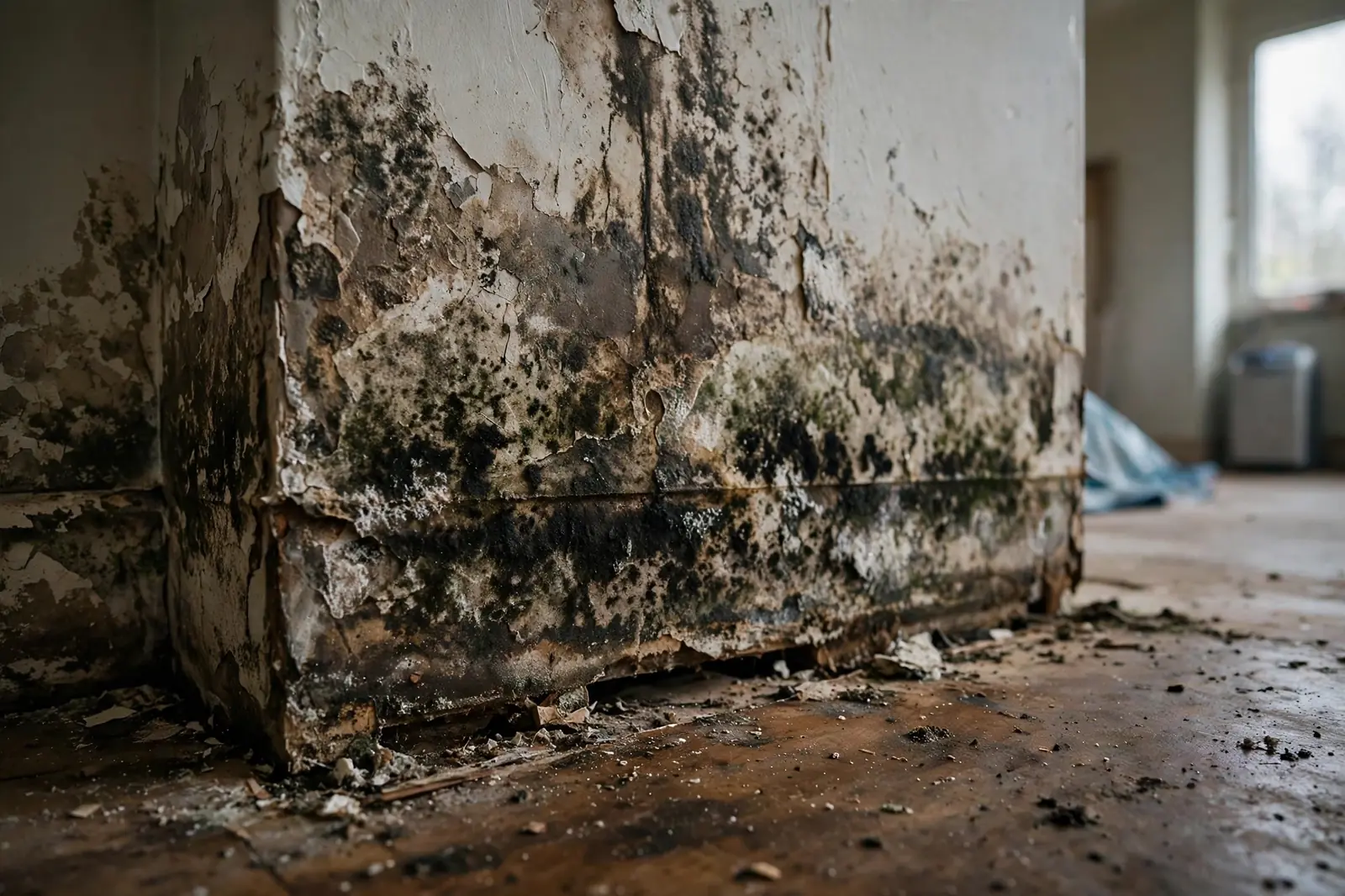
Enormously. Standing water, pooled water left sitting in a room, that is removed within the hour may only need extraction and brief drying. The same water sitting overnight wicks up walls, swells flooring, and starts the conditions for mold growth, fungi that can start on wet materials within days. Knowing your shutoff location before an emergency is the single largest cost saver available to any homeowner.
What Role Do Emergency Timing And Access Play?
A burst at midnight in a hard freeze is a different job from the same burst on a mild weekday. Out-of-hours work, difficult weather, and homes that are hard to reach all affect scheduling and price, and a clear quote says so openly rather than hiding the difference. What a fair emergency quote keeps constant is the structure: diagnosis, shutoff, repair, test, and a drying plan, each visible.
Access inside the home matters as well. A break behind a water heater, the appliance that heats household water, or inside the kitchen sink cabinet, the cabinet under a kitchen sink, packed with stored items takes longer to reach than an open run. Clearing the area before the pro arrives, when it is safe to do so, is a small way to keep the clock on your side.
Should You Get More Than One Quote In An Emergency?
With water flowing, no: stop the water first, and let the first capable pro stabilise the home. For the restoration and rebuilding that follow, you have more room to compare, and insurers often expect it. Keep the emergency repair and the later restoration as separate decisions, and you keep both urgency and choice where each belongs.
How Does Insurance Change What You Pay?
Many home policies cover sudden accidental water damage from a burst pipe, including drying and repairs to damaged parts of the home, while the pipe repair itself and gradual leaks are often treated differently. Your deductible, the amount you pay before cover starts, decides whether a small burst is worth claiming at all, and only your policy documents can answer that for your home.
Documentation protects the claim: dated photos before cleanup, the pro's findings, the pressure test result, and receipts for every stage. Homeowners near burst pipe help in Sweet run into the same paperwork questions as city owners, and the Idaho Department of Insurance, the state agency that regulates insurers, helps consumers who get stuck with a claim.
What Records Should You Keep From Day One?
Photograph every wet room before anything moves, keep the cut-out pipe section, and save invoices for extraction, drying, plumbing, and rebuilding in one folder. Note when the water was shut off and when drying started, because the EPA advises drying wet materials within 24 to 48 hours, and your timeline shows the loss was handled promptly.
Which Choices Lower The Cost Without Cutting Corners?
Speed is the main one: shut the water off fast, start extraction early, and dry the structure properly the first time. Skipping drying is the classic false saving, because trapped moisture leads to mould remediation and swollen floors that cost far more than the drying would have. Replacing a doubtful pipe section while the wall is open is another genuine saving, since the opening is the expensive part.
Avoid paying twice for access. If two repairs are needed in one wall, do them together; if a run is failing in several places, price the longer replacement against serial repairs honestly. A moisture meter, a handheld device that measures moisture in drywall and wood, guides these calls with readings rather than guesses, and a pro who shows you the readings is easier to trust with the decisions.
What Should A Clear Quote Include?
Look for the diagnosis, the repair scope with materials, the test that proves the fix, the drying equipment and expected duration, and the restoration as a separate section with its own scope. Vague single-line quotes hide the very factors this post describes. A clear quote lets you approve the emergency work at once and consider the restoration with a cooler head.
How Do You Get A Straight Answer On Your Own Burst?
Ask the pro to walk you through the four factors for your home: access, pipe condition, water spread, and drying. A good explanation names what was found, what it means, and what happens if you defer each part. If a second section of pipe is doubtful, ask to see it. If drying is quoted, ask which materials are wet and what readings were taken.
Idaho Burst Pipe Pros is a free service connecting callers with independent local pros; calls are answered 24/7 and pros typically arrive in 30–60 minutes. Homeowners around burst pipe help in Teton can call (800) 555-0100 for a burst at any hour, and the emergency burst pipe hub for Idaho explains the process statewide before you ever need it.
Frequently Asked Questions
Straight answers, no fine print. If your question is not here, one free call gets you a local pro who can check your exact problem.
Still Have Questions? Call Free
Answered 24/7 — a local pro can arrive in 30–60 minutes.
Call Now — (800) 555-0100The main factors are access to the break, the pipe's material and condition, how much water escaped before the shutoff was closed, and the drying and restoration the wet structure needs. The replacement pipe itself is a small part of most bills. Two bursts that look alike can cost very differently once wall openings, flooring, and drying days are counted.
Location decides how much of the home must open to reach the pipe and how it goes back together. An exposed line in an unfinished space is quick work; a line inside a finished wall needs opening, patching, and painting; a line under tile or concrete needs careful cutting and a bigger floor repair. The water's path from that location drives the restoration cost too.
Usually the water damage. Replacing a split section of pipe is contained work, while escaped water can need extraction, several days of drying equipment, and rebuilding of floors, walls, and insulation across several rooms. That is why the speed of the shutoff matters so much: every extra hour of flow adds to the larger, damage side of the bill.
Yes. Sound modern pipe takes a clean, quick section repair. Old corroded steel can crumble at the joints and force a longer replacement, and brittle plastic can crack further as it is cut, extending the damaged section. Material also affects what the pro recommends: repairing a failing run section by section can cost more over time than replacing it once.
A night-time or holiday burst, or one during severe weather, generally costs more to attend than the same job in working hours, and a transparent quote says so. The bigger timing cost is delay: water that runs for hours before anyone arrives causes far more damage than the repair itself. Fast shutoff beats quote shopping in the first hour.
Many policies cover the sudden water damage a burst causes, including drying and repairs to the home, while treating the pipe repair itself or slow, gradual leaks differently. Your deductible and policy wording decide your case. Photograph everything before cleanup, keep every invoice, and notify your insurer early so the claim starts with a clear record.
It is a false saving. Moisture left inside walls and floors leads to mould, swollen flooring, and odours that cost far more to fix later than monitored drying costs now. Drying with readings taken along the way is also what insurers expect to see. If budget is tight, talk about scope openly rather than quietly dropping the step that protects the structure.
Ask what was found, where the pipe sits and what access involves, what condition the rest of the run is in, which materials are wet and what readings were taken, and how the repair will be tested. A clear quote separates the plumbing, the drying, and the restoration. Answers to those questions tell you more than the bottom line alone.
A second failure in the same open wall adds pipe and time but shares the visit, the shutoff, and the opening, so it costs far less than a separate emergency later. One in a different room or under a floor adds more because access starts again. Finding every failure with a pressure test before walls close is the cheaper path overall.
Know where your main shutoff is and check it turns, insulate and protect the runs that face cold, fix weeping joints promptly, and keep supply hoses and valves in good order. None of these remove the risk entirely, but a burst that is found in minutes and stopped at once is a repair bill, not a rebuilding project.
Reviewed By Hamza
Lead Water Damage Restoration & Structural Drying Specialist
Hamza is an emergency water restoration specialist with deep expertise in burst pipe mitigation, freeze damage remediation, and industrial structural drying across freezing northern climates. He focuses on rapid moisture extraction, thermal imaging diagnostics, and comprehensive subfloor restoration to protect homes from mold and structural deterioration.
Updated October 27, 2026
Need Burst Pipe Help In Idaho?
One free call connects you with a local pro — answered 24/7, and a pro can arrive in 30–60 minutes.
Call Now — (800) 555-0100Free Call · Answered 24/7 · Local Pros Near You