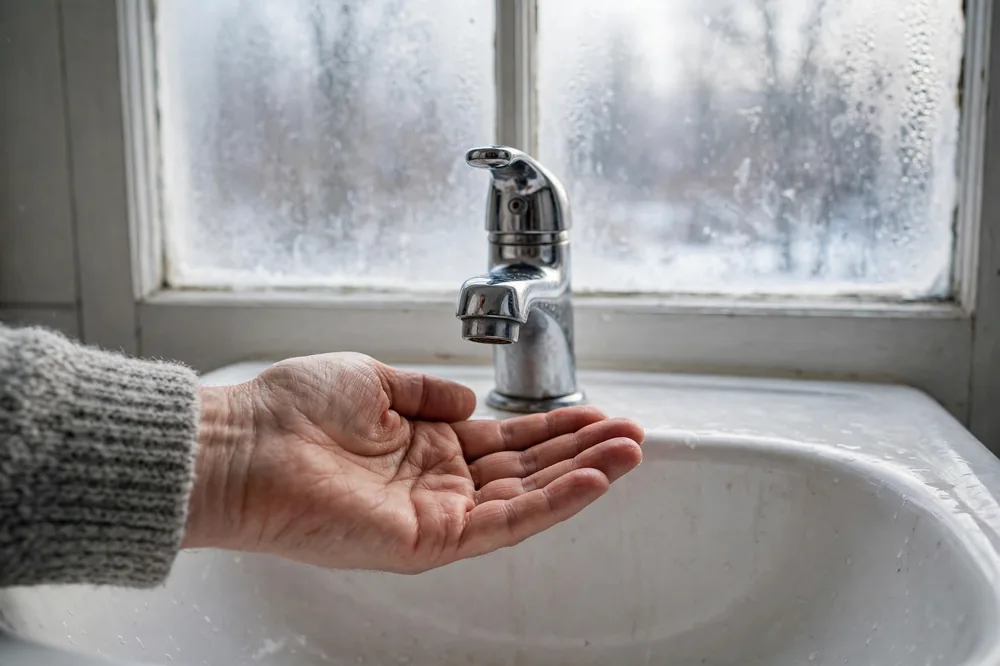
Why Does Only One Faucet Have No Water In Winter?
Free Call · Answered 24/7 · Local Pros Near You
In This Guide
- Why Does Only One Faucet Have No Water In Winter?
- Why Is Only The Hot Side Not Working?
- How Can You Work Out Which Branch Froze?
- What Should You Do While That One Faucet Is Dead?
- Could The Frozen Branch Already Be Split?
- How Do Pros Check A Single Frozen Branch?
- How Do You Keep That One Branch From Freezing Again?
Quick Answer
One dead faucet in winter usually means one branch line has frozen, not the whole house. Each faucet is fed by its own short run of pipe, and the run to an outside-wall sink or tub sits closest to the cold. If only the hot side fails, the hot branch froze on its longer route from the water heater. The rest of the home keeps flowing because those branches stayed warm.
Why Does Only One Faucet Have No Water In Winter?
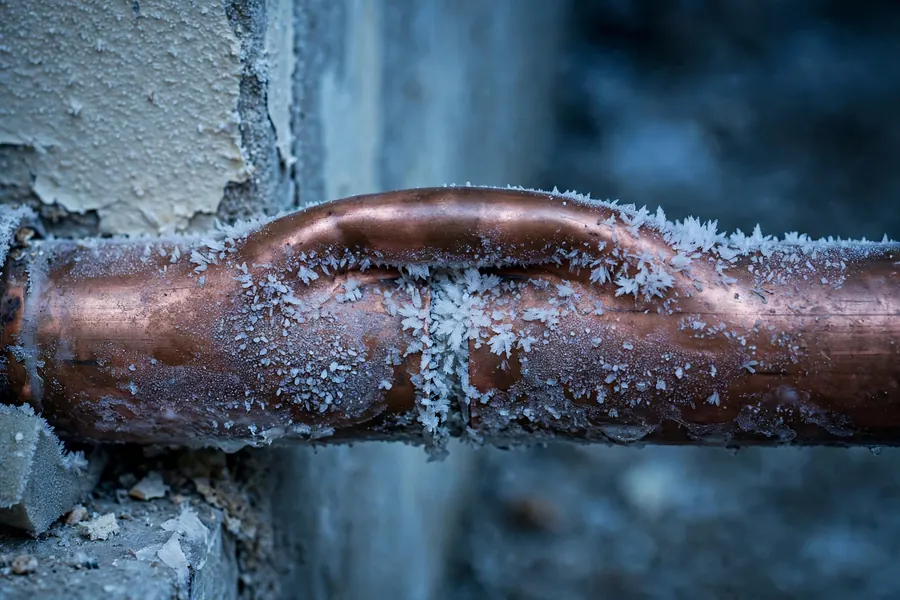
Think of your plumbing as a tree. The main line is the trunk, and smaller branch lines run out to each faucet, shower, and toilet. When one faucet gives nothing and every other tap flows normally, the blockage sits in that one branch. In winter, the blockage is usually ice. The branch to a kitchen or bathroom on an exterior wall, an outside-facing wall whose runs sit closest to outdoor cold, freezes while interior branches stay above freezing.
Other causes exist, and they are worth a quick check. A blocked aerator screen, a local shutoff under the sink that was partly closed during earlier work, or a worn cartridge can stop a single tap in any season. The winter clue is timing: flow that dies during a cold snap, in a room that feels colder than the rest of the house, points to ice first. Our guide to the signs a pipe is about to freeze lists the earlier warnings that often come before a branch closes completely.
Why Does The Rest Of The House Still Work?
The main line divides early, usually in a basement or crawl space, and each branch carries its own water from there. A freeze blocks only the branch it forms in. That is also why the problem can grow quietly: the frozen branch gives no flow at its tap, but the split it may cause will not leak until the ice melts and pressure returns.
Why Is Only The Hot Side Not Working?
Hot and cold water reach a faucet through separate pipes, and they do not take the same route. The cold line runs a short path from the main entry. The hot line travels from the water heater, the appliance that heats household water, and that route is often longer, passing through more wall, floor, or under-home space. More distance through cold areas means more chances for one section to freeze while its cold twin beside the same faucet stays open.
That is why a shower can pour cold water yet give no hot at all on a January morning. The freeze thaw cycle, repeated freezing and warming that weakens a pipe over a season, tends to pick on this longer hot run winter after winter. Homeowners reading about burst pipe help in Burley describe the same pattern: one bathroom, hot side only, after the coldest night of the month.
Could The Water Heater Be The Problem Instead?
If every hot tap in the home fails at once, look at the heater or its supply and outlet lines rather than one branch. If only one hot tap fails, the heater is doing its job for the other rooms, and the blockage almost certainly sits in that single hot branch between the main hot line and the faucet.
Pipe Frozen Or Burst Right Now? One Free Call Connects You With A Local Pro.
Call NowHow Can You Work Out Which Branch Froze?
Start at the dead faucet and work backwards in your head. Which wall does it sit on? Lines in a kitchen sink cabinet, the cabinet under a kitchen sink often on an exterior wall, freeze often because the cabinet doors keep warm room air away from the pipes. Open the doors and feel the pipes and the back of the cabinet. A frozen branch usually feels strikingly cold, and you may see frost on the pipe or the wall behind it.
Then check the spaces the branch crosses. A crawl space, the shallow space under a home where supply pipes run unheated, and an attic, the space above the ceiling, are the two coldest routes in most Idaho homes. If the branch to the dead faucet crosses either one while the working branches do not, you have likely found both the route and the reason in a single look.
What Does The Water Meter Tell You Here?
With every tap off, a still meter dial supports a blockage rather than a leak, because no water is leaving the system. If the dial moves, water is escaping somewhere, and the dead faucet may be only part of the story. Repeat the check after thawing, when a split branch would start leaking and the dial would begin to creep.
What Should You Do While That One Faucet Is Dead?
Leave the dead faucet open. An open tap gives melting ice somewhere to go and relieves ice expansion pressure, the force of water expanding as it freezes in a closed pipe, as the branch warms. Open the cabinet doors under the sink so room heat reaches the pipes, and warm the exposed section gently with a hair dryer, warm towels, or a small heater placed at a safe distance, worked slowly along the pipe.
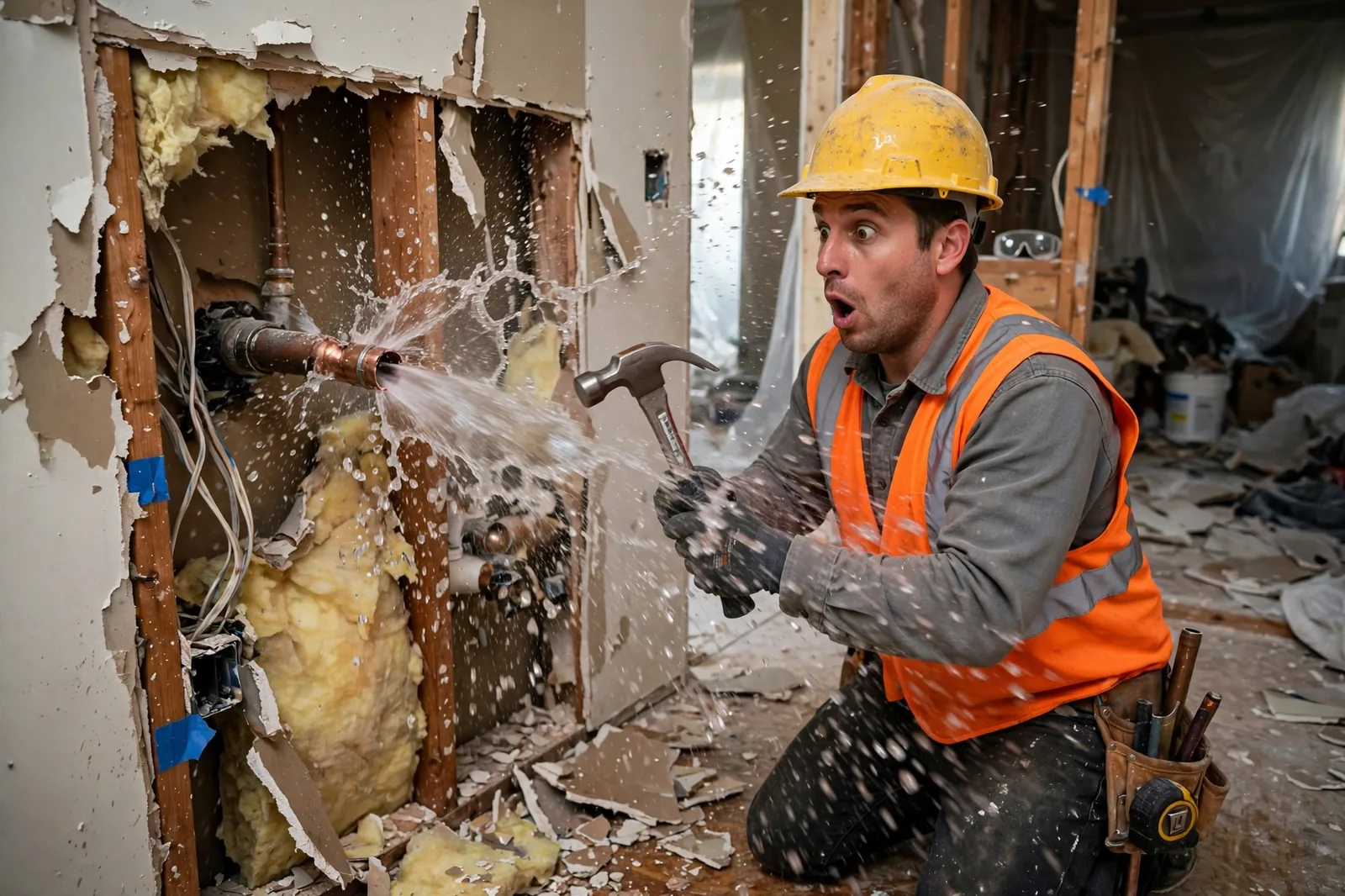
Know where the main water shutoff valve, the main valve that stops all water entering the home, is before you thaw anything. If the branch split while frozen, the leak starts the moment the ice plug melts. Being able to close that valve in seconds is the difference between a wet cabinet and a soaked floor. If water does appear, shut it off first and then read about help for burst pipe help in Caldwell, where the same single-branch freeze is a common winter call.
What Should You Avoid Doing?
Never use a blowtorch or any open flame. The American Red Cross warns that open flame can start a fire inside a wall. Avoid pouring boiling water on a frozen pipe too, since a sudden temperature shock can crack a cold, brittle line. Gentle, patient warmth is slower, but it does not add a second problem to the first.
Could The Frozen Branch Already Be Split?
Yes, and this is the part many homeowners miss. The split forms during the freeze, when pressure peaks, but the ice plugs its own crack, so the branch looks merely frozen. The leak only reveals itself at the thaw. That delay is why a faucet that simply stopped on Tuesday can be soaking a wall by Thursday, with no new cold weather in between to blame.
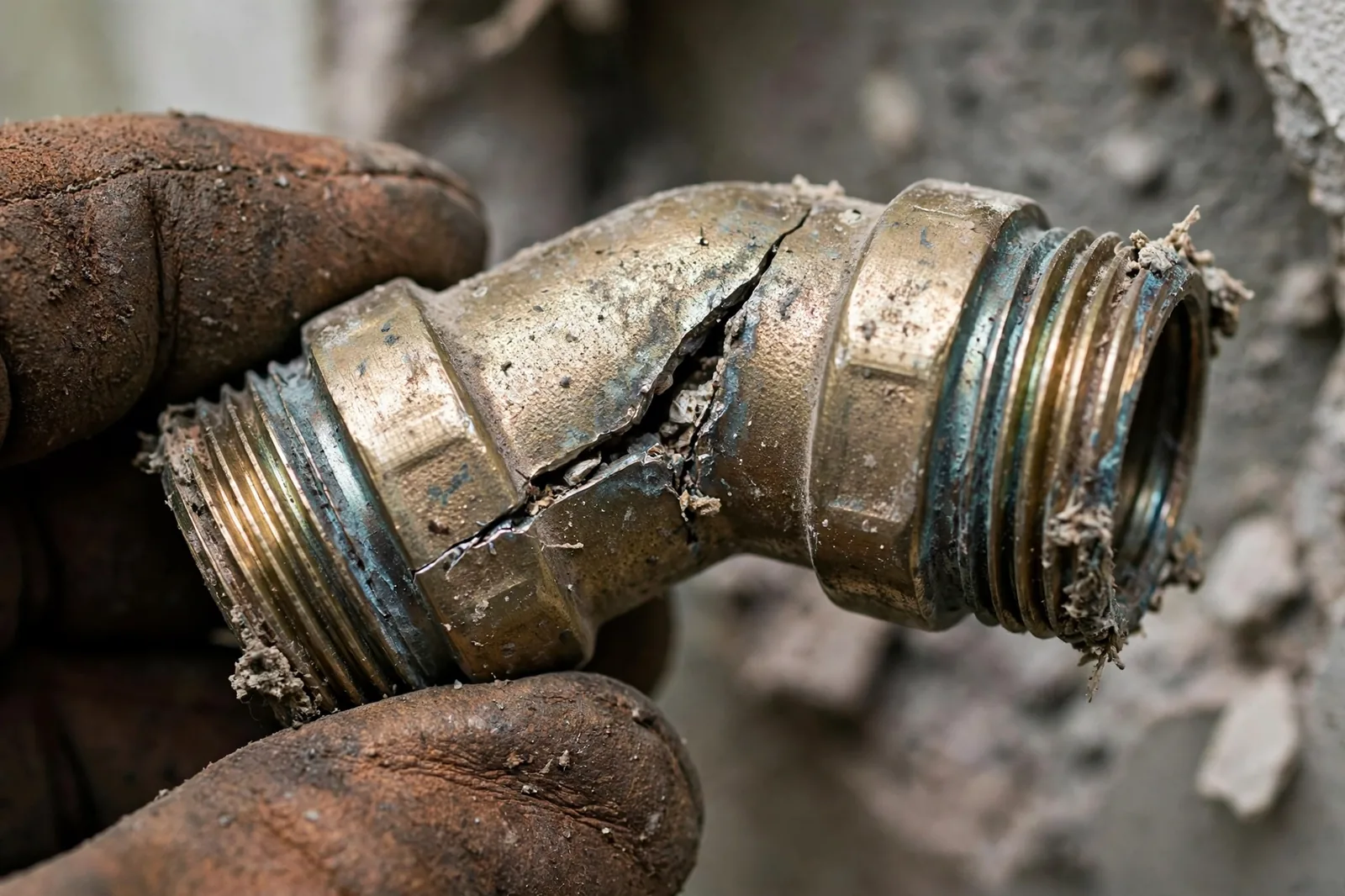
Watch closely as flow returns. Look for drips at joints, damp drywall, bubbling paint, or a cabinet base that feels soft. A failed fitting, a connector that cracks or separates, is a common leak point after a branch freeze, because fittings flex less than the pipe around them. Catching a weep in the first hour keeps the repair to one short section instead of a wall rebuild.
How Do Pros Check A Single Frozen Branch?
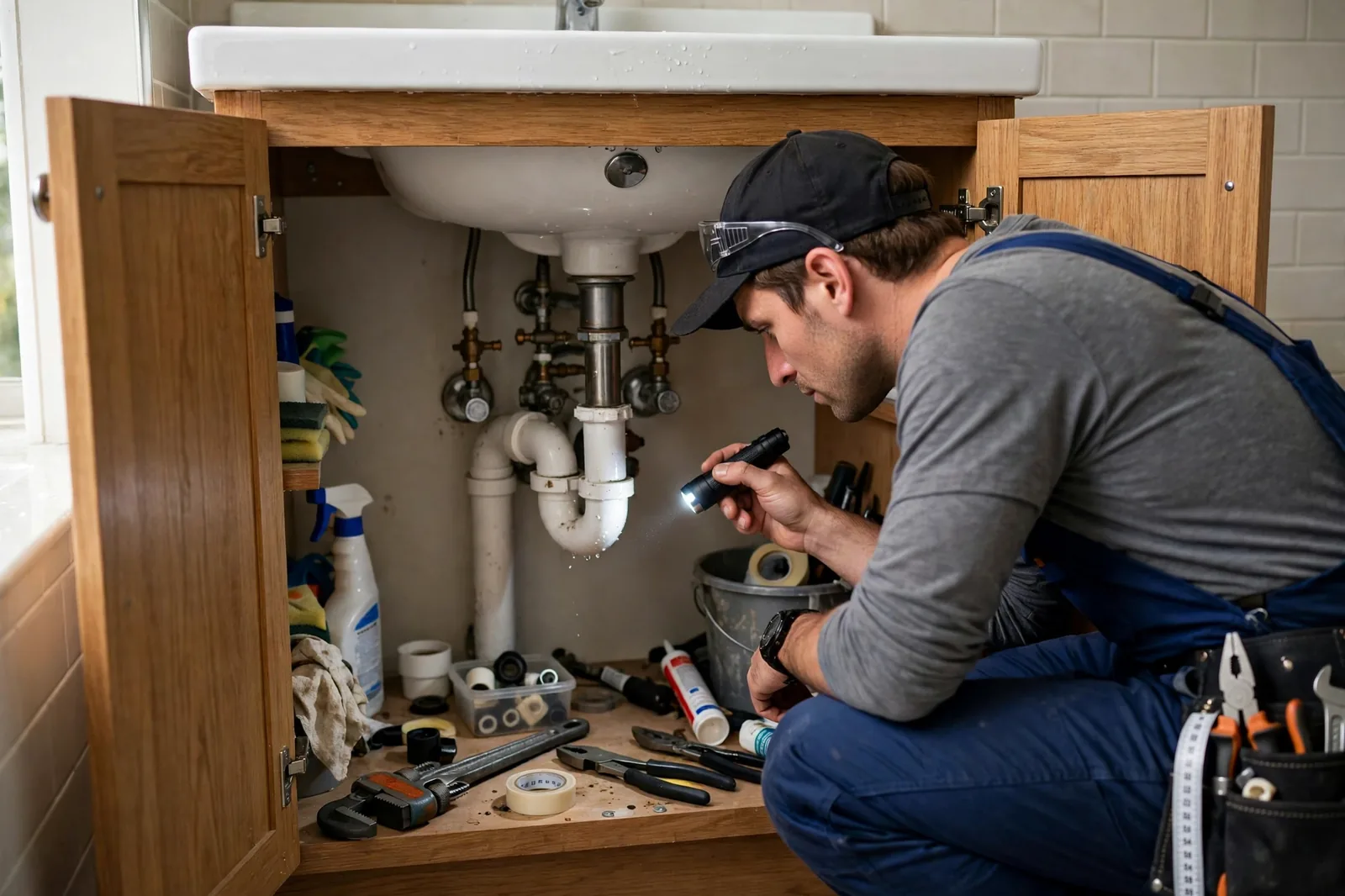
A pro traces the branch, thaws it under control, and then tests it. A pressure test, filling the line at a set pressure and watching for a drop, shows whether the branch holds or hides a split. A thermal imaging camera, a camera that shows temperature differences on a surface, can pinpoint the frozen or wet section inside a wall, and a moisture meter, a handheld device that measures moisture in drywall and wood, shows whether water has already spread into the surrounding material.
If the branch is split, the damaged section is cut out and replaced, and the joints at both ends are inspected for stress. Pros also check the insulation and air sealing around that run, because replacing pipe without fixing the cold path that froze it just resets the same problem for the next cold snap. The branch route, not only the break, is part of the repair.
What Happens If A Second Problem Shows Up?
Sometimes the dead faucet uncovers wider damage: a second stressed branch, a leaking fitting, or old damage from an earlier freeze. Our article on accidental pipe damage during renovation and landscaping covers a different cause with the same lesson: finding one damaged spot is a reason to check the runs beside it while access is open, not after the walls are closed.
How Do You Keep That One Branch From Freezing Again?
Insulate the run that froze. A pipe insulation sleeve, foam tubing slipped over a pipe, fits most exposed sections, and sealing the gaps where outdoor air enters the wall cavity removes the draft feeding the freeze. Heat tape, an electric cable applied along a pipe to keep it above freezing, suits the coldest exposed stretches, fitted to the maker's rules for your pipe material.
Change habits on the coldest nights too: open the cabinet doors under that sink, and let the tap drip slowly so water keeps moving. If the same faucet freezes every year, ask about rerouting the branch inside warmer space or swapping a rigid section for PEX pipe, a flexible plastic pipe that tolerates some freezing better. Homeowners near burst pipe help in Cambridge hear the same closing advice: fix the cold path once, and the faucet stops being your winter early warning. If you are unsure whether a dead tap is ice or something worse, the emergency burst pipe hub for Idaho walks through the checks in order.
Frequently Asked Questions
Straight answers, no fine print. If your question is not here, one free call gets you a local pro who can check your exact problem.
Still Have Questions? Call Free
Answered 24/7 — a local pro can arrive in 30–60 minutes.
Call Now — (800) 555-0100Because each faucet is fed by its own branch line, and only one branch has frozen or blocked. The rest of the home still flows because the main line and the other branches stay open. A bathroom or kitchen line on an outside wall is the usual one to freeze first, since it sits closest to outdoor cold while the interior branches stay warm.
The hot and cold sides travel in separate pipes, and the hot line often takes a longer route from the water heater, sometimes through colder spaces. If that hot run freezes, the hot tap gives nothing while the cold side still flows beside it. The reverse can also happen. Treat either one-sided loss in cold weather as a freeze warning for that branch, not a faucet fault.
It can. Debris in the aerator, the small screen at the tap tip, a partly closed local shutoff under the sink, or a worn cartridge can all stop one faucet while others run. In winter, though, timing matters: if the flow stopped during or just after a cold night and the faucet sits on an outside wall, a frozen branch is the more likely cause.
Stand at the faucet and have someone check the meter with everything else off. If water is not moving, the branch is likely blocked by ice rather than leaking. Also feel the wall and cabinet floor near the faucet for cold spots, frost, or damp. A frozen branch often leaves the pipe and the wall around it noticeably colder than nearby interior walls in the same room.
Gentle warmth on an exposed section is fine: open the cabinet doors, aim a small heater or hair dryer at the wall area from a safe distance, or wrap the pipe in warm towels. Never use open flame. Work slowly, keep the faucet open so meltwater can escape, and stop at once if you see a split, a bulge, or water starting to drip.
A branch that thawed without leaking may be fine, but the freeze stressed it, and a hairline split can weep inside the wall for days. Watch the area for damp drywall, a musty smell, or soft paint, and repeat the meter check over the next day or two. If any sign appears, get the branch opened and inspected before a small leak becomes a soaked wall cavity.
Often it is one cold run: a line in an exterior wall, above a garage, or through a crawl space. The rest of the house flows because those branches stayed warm. Kitchens and bathrooms on outside walls are repeat offenders in Idaho homes, especially where insulation has slipped or a remodel moved a line closer to the cold side of the wall than the original layout placed it.
Insulate that branch, seal the drafts feeding its wall cavity, and fit foam covers where the line passes cold spots. On extreme nights, open the cabinet doors under that sink and let the tap drip slowly. If the same faucet freezes every winter, ask a pro about rerouting the run or adding heat cable, since repeated freezes weaken the pipe a little more each season.
Proof comes from testing, not guessing. Once flow returns, a pro can run a pressure test on the branch, check it with a moisture meter, and inspect the wall cavity for damp. If pressure holds and everything reads dry, the branch survived. That check matters because a small split can leak for weeks inside a wall before a stain finally shows on the surface.
Call when the faucet stays dead after gentle warming, when you find damp or a split, or when several taps begin to fail, which suggests the freeze is spreading. Idaho Burst Pipe Pros answers 24/7 on (800) 555-0100 and connects you with an independent local pro, typically arriving in 30–60 minutes. Say exactly which faucet and which side, hot or cold, has stopped; that detail guides the first check.
Reviewed By Hamza
Lead Water Damage Restoration & Structural Drying Specialist
Hamza is an emergency water restoration specialist with deep expertise in burst pipe mitigation, freeze damage remediation, and industrial structural drying across freezing northern climates. He focuses on rapid moisture extraction, thermal imaging diagnostics, and comprehensive subfloor restoration to protect homes from mold and structural deterioration.
Updated October 27, 2026
Need Burst Pipe Help In Idaho?
One free call connects you with a local pro — answered 24/7, and a pro can arrive in 30–60 minutes.
Call Now — (800) 555-0100Free Call · Answered 24/7 · Local Pros Near You